


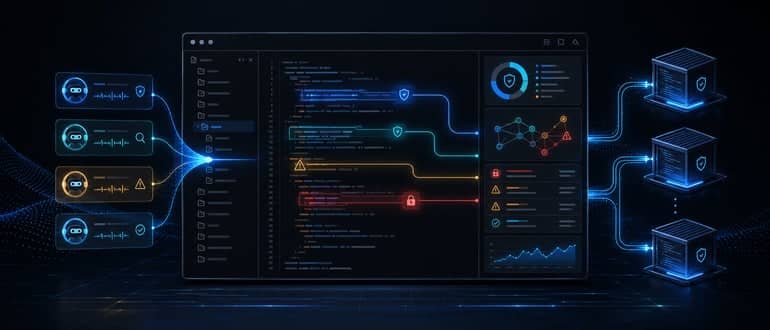
Vercel’s deepsec Brings AI-Powered Security Scanning Into the Development Workflow
Security has long been the last item on the checklist. Code gets written, reviewed, merged—and then, somewhere down the line, a security team takes a look. That model worked when development moved at a human pace. It doesn’t work as well when AI writes and refactors code faster than any team can keep up with. […]

Mistral Moves Coding Agents to the Cloud — and Gets Out of Your Way
Mistral’s latest release shifts AI-assisted development from your laptop to the cloud. Here’s what that means for development teams.

Cursor’s New SDK Turns AI Coding Agents Into Deployable Infrastructure
Cursor’s TypeScript SDK lets teams invoke AI coding agents programmatically from CI/CD pipelines, with sandboxed VMs, MCP support, and token-based pricing.
Anthropic Brings AI-Powered Security Scanning to Enterprise Teams With Claude Security
Anthropic’s Claude Security is now in public beta for Enterprise customers, offering AI-powered codebase scanning and patch generation for security teams.
IBM Bob Takes AI Coding Assistants to the Next Level
IBM Bob goes beyond AI-assisted coding to support the full software development lifecycle — with governance, security, and multi-model orchestration built in.

Microsoft Foundry Tackles the AI Agent Tool Problem Nobody Talks About
Tool sprawl is quietly becoming one of the biggest headaches in enterprise AI development. Microsoft thinks it has a fix.
Claude Code Routines: Anthropic’s Answer to Unattended Dev Automation
Anthropic’s Claude Code Routines let dev teams automate scheduled tasks, GitHub events, and API-triggered workflows from managed cloud infrastructure.

OpenAI Upgrades Its Agents SDK With Sandboxing and a New Model Harness
OpenAI’s updated Agents SDK adds sandboxing and a model-native harness, giving enterprises a more controlled way to build and deploy long-horizon AI agents.
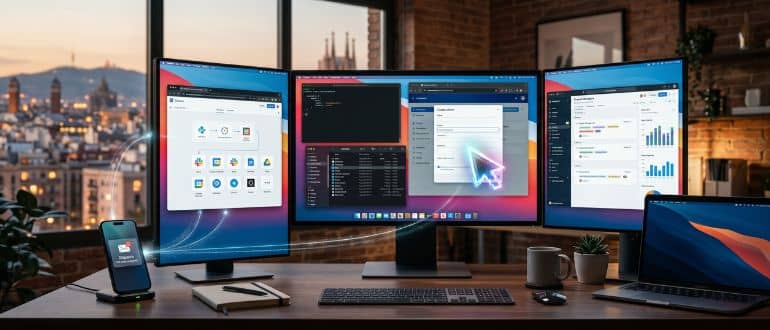
Claude Code Can Now Run Your Desktop
Anthropic moves beyond the chat window with full computer control — and the implications for developers and enterprise teams are significant.

Visual Studio Code 1.115 Moves Deeper Into Agent-Native Development
VS Code 1.115 adds the VS Code Agents companion app, better browser tools, and background terminal interaction for agentic development workflows.

GitHub Copilot CLI Gets a Second Opinion — and It’s From a Different AI Family
GitHub Copilot CLI’s “Rubber Duck” experimental feature uses cross-family model collaboration (Claude + GPT-5.4) to catch architectural flaws and reduce logic errors.
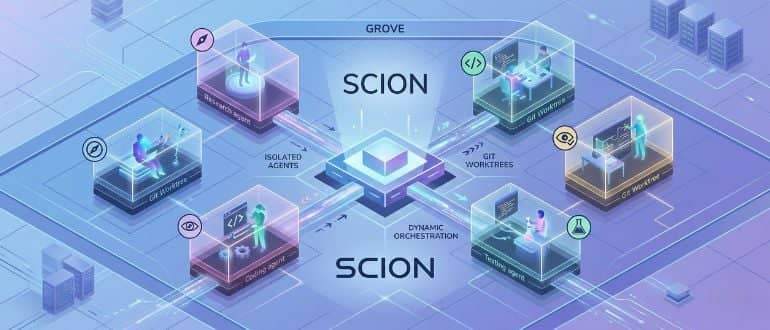
Google’s Scion Gives Developers a Smarter Way to Run AI Agents in Parallel
Google’s open-source Scion testbed lets developers run isolated, parallel AI agents across local and remote clusters. Here’s how it works.
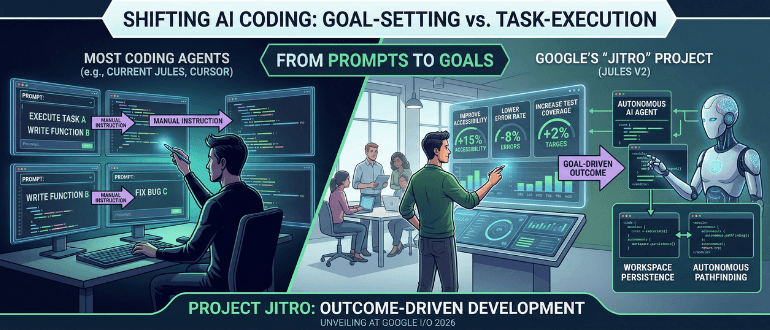
Google’s Next Coding Agent Could Change How Developers Think About Their Work
Google’s internal Project Jitro marks the evolution of the Jules coding agent from a task-executor to an outcome-driven collaborator. By shifting from manual prompting to KPI-driven development, Jitro autonomously identifies and executes codebase improvements—such as increasing test coverage or optimizing performance—allowing developers to manage high-level goals rather than individual lines of code.
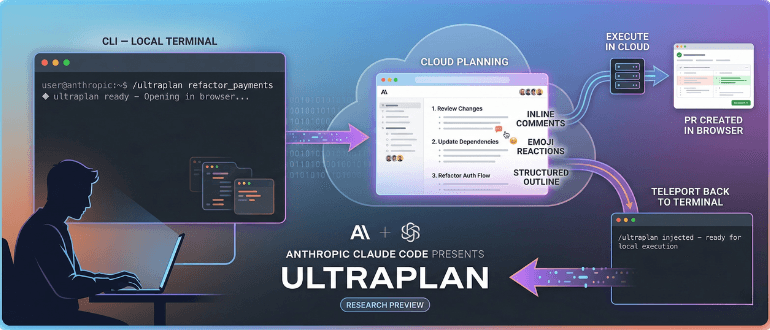
Claude Code’s Ultraplan Bridges the Gap Between Planning and Execution
Anthropic introduces Ultraplan, a research preview for Claude Code that shifts complex coding plans from the terminal to a collaborative cloud environment. This feature enables developers to review, comment on, and refine implementation strategies in a rich browser interface before choosing to execute changes in the cloud or “teleport” them back to a local terminal.
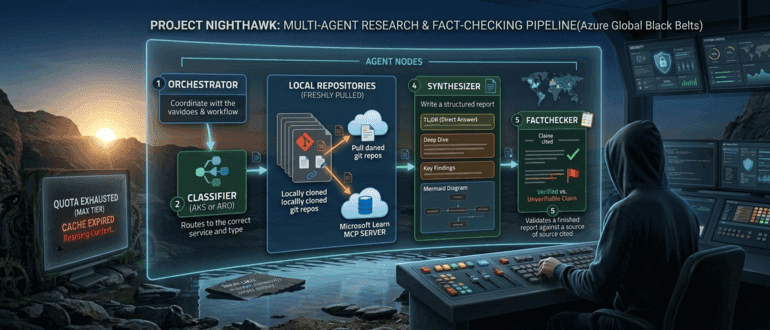
Microsoft Field Engineers Built a Six-Agent Research Pipeline in VS Code That Fact-Checks Its Own Output
Azure Global Black Belts Diego Casati and Ray Kao developed Project Nighthawk, a multi-agent system that automates deep technical research for AKS and ARO with 100% source-grounding
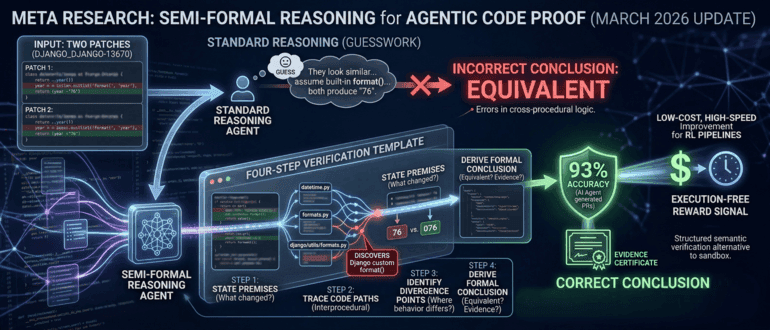
Meta Researchers Show AI Agents Can Verify Code Without Running It — and Hit 93% Accuracy
Meta’s semi-formal reasoning enables AI agents to verify code without executing it, achieving 93% accuracy. Implications for code review and RL training costs.
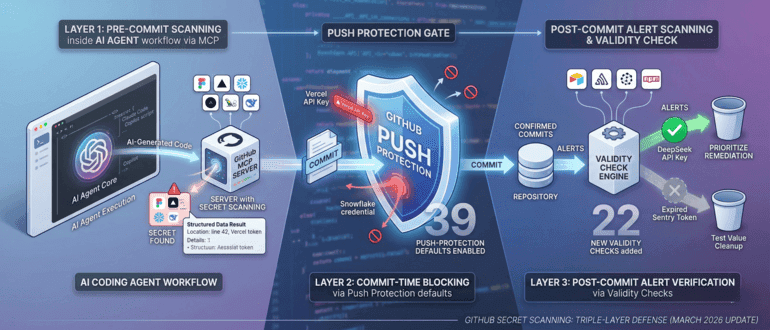
GitHub Adds 37 New Secret Detectors in March, Extends Scanning to AI Coding Agents
GitHub’s March 2026 updates introduce secret scanning for AI agents via MCP, 37 new detectors, and expanded push protection. Learn how to secure AI-generated code.

Azure DevOps Remote MCP Server Lands in Microsoft Foundry, Giving AI Agents Direct Access to Your DevOps Data
Microsoft launches the Azure DevOps Remote MCP Server and Foundry integration in 2026. Discover how this hosted, Entra-authenticated connection allows AI agents to query work items, pipelines, and repos through a single URL without local infrastructure.
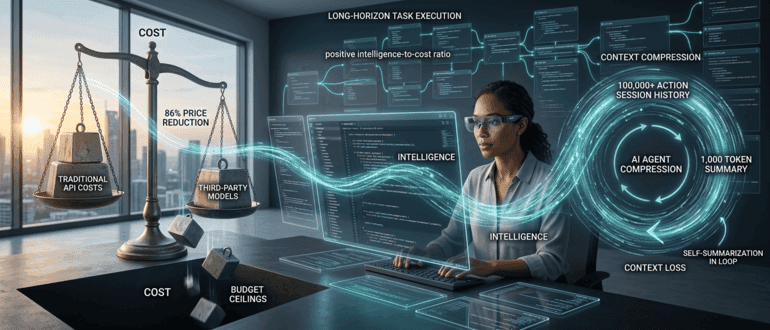
Cursor Ships Composer 2: Frontier-Level Coding Performance at a Fraction of the Cost
Cursor releases Composer 2, achieving a 10x cost reduction and massive intelligence leaps. Discover how self-summarization and reinforcement learning for long-horizon tasks are redefining the Pareto frontier for AI coding agents and DevOps budgets in 2026.
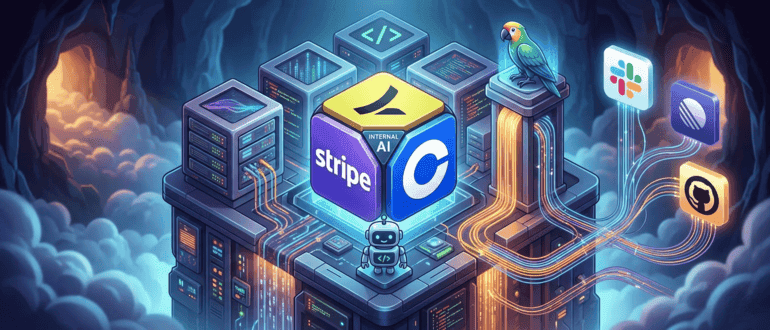
Open SWE Captures the Architecture That Stripe, Coinbase and Ramp Built Independently for Internal Coding Agents
Explore Open SWE, the open-source framework by LangChain that codifies the internal AI coding agent architectures used by Stripe, Ramp and Coinbase. Released March 17, 2026, this MIT-licensed project offers a customizable foundation using isolated sandboxes, subagent orchestration, and deep workflow integration for modern DevOps teams.

Java 26 Arrives With AI Integration and a New Ecosystem Portfolio — What It Means for DevOps Teams
Overview of Java 26 emphasizing performance, concurrency, security, HTTP/3, and the new Java Verified Portfolio—positioning the JVM as a supported infrastructure layer for enterprise AI workloads and easing DevOps modernization of large Java estates.

Gemini CLI Plan Mode Separates Thinking From Doing — and Makes Read-Only the Default
Google’s Gemini CLI Plan Mode enforces read-only research-first workflows—using higher-reasoning models for strategy, ask_user prompts for clarification, and read-only MCP integration—so agents propose vetted implementation plans before code changes
Gemini Code Assist Gets Agent Auto-Approve, Inline Diffs, and Custom Commands to Speed Up the Core Coding Loop
Google’s latest Gemini Code Assist updates focus on workflow, not hype: Agent Mode with Auto Approve, inline diffs, a Context Drawer, custom commands, Finish Changes, and Outlines streamline how developers review, trust, and integrate AI-generated code in VS Code and IntelliJ.