



Why Reliability Guardrails Are Needed in Every AI Coding Pipeline
We’re in the middle of a reliability reckoning. Thanks to AI, companies are shipping code much faster than before. But if there’s anything to learn from the surge in high-profile outages over the last couple of years, it’s that with more code comes more reliability risks. And when those risks do lead to an outage, […]

Meta Launches AI Coding Agent to Challenge OpenAI and Anthropic
In an effort to catch up with OpenAI and Anthropic in one of AI’s fastest-growing markets, Meta has launched its first AI coding agent, Muse Code, alongside an updated coding-focused AI model. CEO Mark Zuckerberg announced the preview release of Muse Code, describing it as a tool that can handle software engineering tasks from planning […]
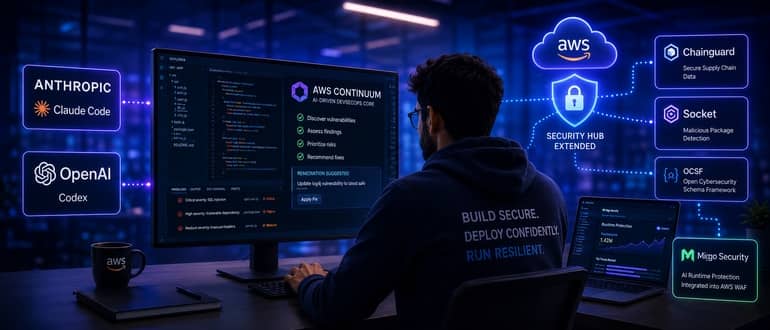
AWS Extends DevSecOps Reach to AI Coding Tools from Anthropic and OpenAI
Amazon Web Services (AWS) this week at the Black Hat USA conference revealed it is working with both Anthropic and OpenAI to integrate their respective coding tools with a service it has developed that makes available artificial intelligence (AI) agents to help application developers write more secure code. Launched earlier this year, the AWS Continuum […]
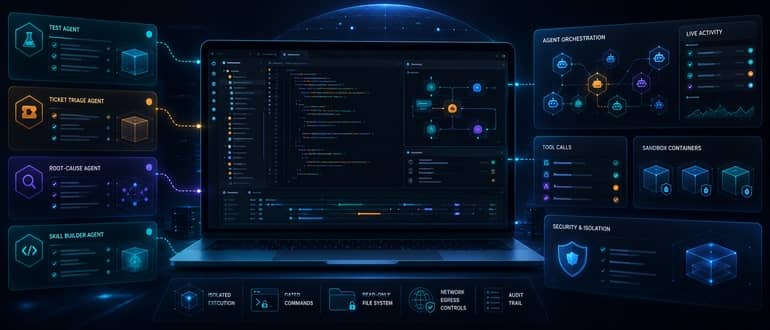
AWS Adds Agentic Workspace to Kiro AI Coding Tool
Amazon Web Services (AWS) this week added an open source workspace for its Kiro artificial intelligence (AI) coding tool that enables application developers to asynchronously assign tasks to an AI agent that is capable of autonomously performing tasks, such as testing code as it is created, in a way that maintains context across multiple sessions. […]

RapidFort Extends Open Source Software Security Reach to Runtime Environments
RapidFort today at the Black Hat USA conference announced it has extended its ability to secure open source software to the runtimes that DevOps teams deploy in production environments. Michael Wood, chief marketing officer for RapidFort, said the RapidFort Runtime platform makes it possible to now monitor open source software deployed within a container image […]
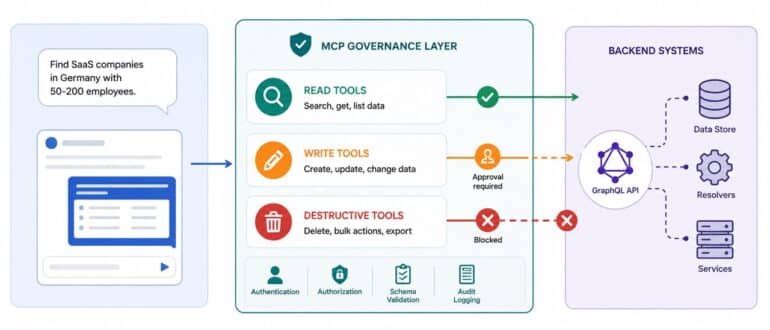
From API Integration to Agent Governance: What Backend Teams Need to Know About MCP
Many MCP projects begin with an existing API and a simple request: expose one backend capability to an LLM client. The quickest route is to wrap an endpoint as a tool and connect it to Claude or another MCP host. Users can then ask for data in natural language instead of navigating a fixed interface. […]

AI is Coding Us Into a Corner
AI-powered patching and coding is putting us on a track towards a deepening dependency on future frontier models. The modern tools we use today to fix yesterday’s coding problems are quietly creating tomorrow’s quagmire. Companies are using AI to pay down 20 years of tech debt, but in doing so we’re generating a future problem […]
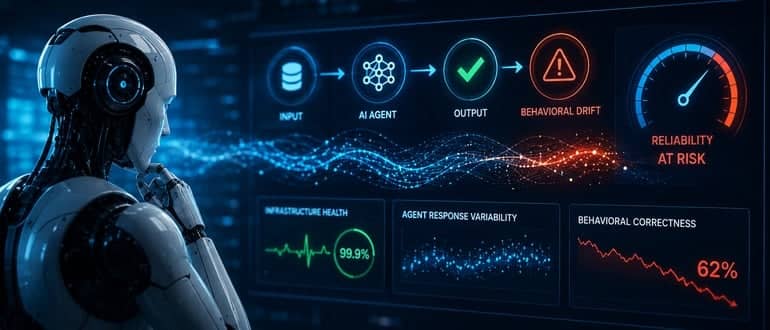
So Agentic Systems Are Messing Up Your SLO Framework
Traditional SLOs cannot show whether AI agents are behaving correctly. Platform teams need layered metrics for infrastructure, inference and behavioral reliability.

N. Korea Group Behind Multiple Open Source Supply-Chain Attacks: Amazon
Amazon’s recent report attributing a series of compromises of open source software libraries to a North Korea-backed threat group encapsulates many of the expanding cyber risks increasingly facing developers, from the growing use of generative AI by bad actors and targeting of code repositories to financially focused attacks by nation-state hackers and the abuse of […]
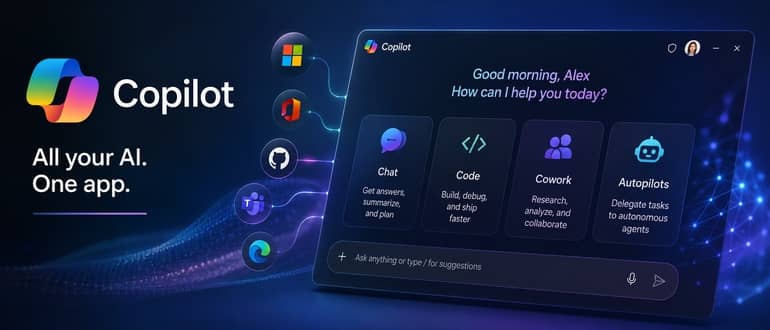
Microsoft Confirms Copilot ‘Super App’ Is Coming This Year — and It’s About More Than Convenience
Microsoft is combining Copilot Chat, Code, Cowork and Autopilots into one super app, raising new questions about agent governance, identity, licensing and security.
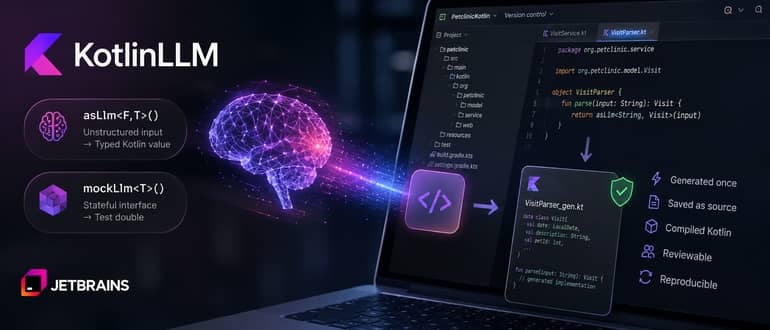
JetBrains Open-Sources KotlinLLM, a Research Prototype for Runtime Code Generation
JetBrains open-sources KotlinLLM, letting compiled Kotlin apps generate and persist LLM-written code at runtime instead of calling a model live.

GitHub Brings Stacked Pull Requests Out of the Shadows
GitHub introduces native stacked pull requests, helping development teams break large changes into smaller, dependency-ordered PRs that are faster and easier to review.

CISA’s 2026 SBOM Guidance Adds Hash Requirements and AI Coverage
CISA’s updated 2026 SBOM minimum elements expand software transparency requirements to AI, SaaS and open source while adding hashes, licenses and stronger validation.
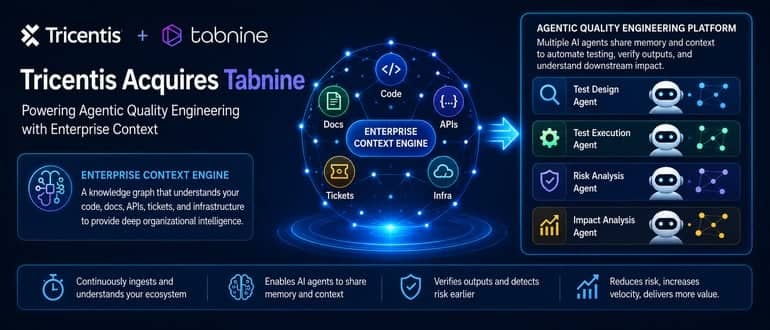
Tricentis Acquires Tabnine to Gain Knowledge Graph for AI Testing Agents
Tricentis today revealed it is acquiring Tabnine to gain access to a knowledge graph that will be used to provide context to AI agents that have been trained to automate a range of testing tasks. Once the acquisition is complete, Tricentis plans to integrate the knowledge graph developed by Tabnine, dubbed the Enterprise Context Engine, […]
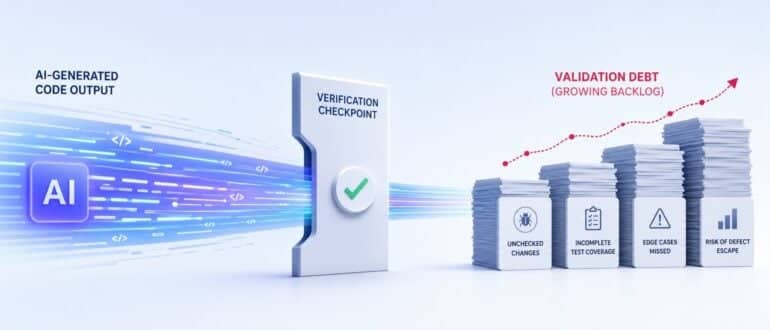
Validation Debt That Your Dashboards Are Not Showing
The gap between how fast AI writes code and how reliably teams verify it is quietly becoming a balance-sheet risk. Enterprise leaders are learning to measure it before it forces repayment. Every engineering organization that adopted AI coding assistants over the past two years has quietly taken on a liability that never appears on the […]

OpenAI Open Sources Codex Security CLI for the Merge Path
OpenAI has released its Codex Security command-line interface and software development kit as open source software under the Apache 2.0 license, providing a new way to bring its AI security scanner into development workflows. The CLI can scan repositories, review staged and unstaged changes before a commit, compare findings across scans and export results for […]
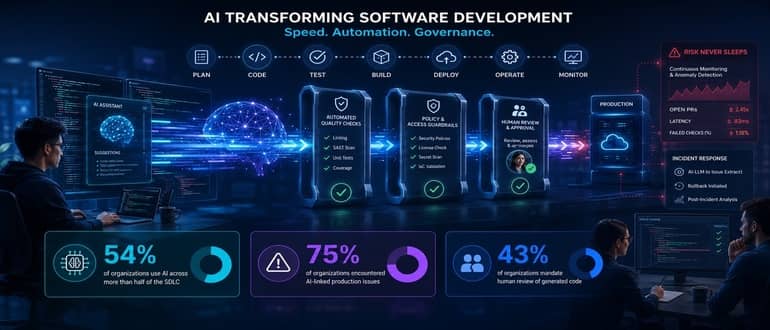
Investments in DevOps Tools and Platforms Start to Accelerate in AI Era
A global survey of 839 IT decision-makers conducted by the Futurum Group finds 54% now work for organizations that use AI across more than half of their software development lifecycle (SDLC), with 40% reporting AI already generates the majority of production code merged in the last 90 days. Within the next three years, a total […]
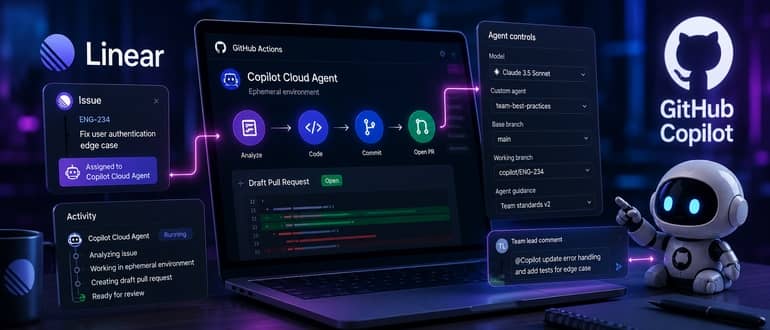
GitHub Gives Teams More Control Over Copilot’s Cloud Agent in Linear
GitHub’s Copilot cloud agent integration with Linear is now generally available, adding model, branch and team-level controls for delegated coding work.
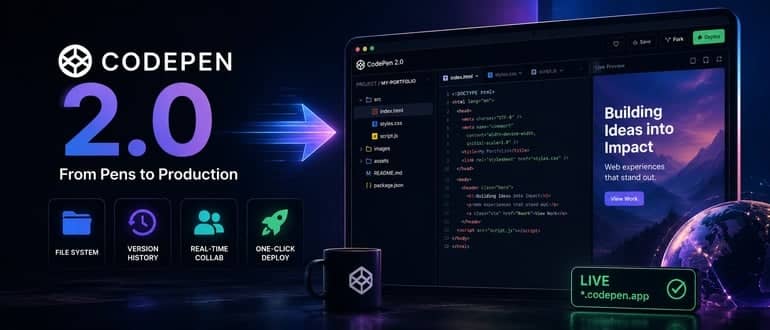
CodePen 2.0 Turns a Design Playground Into a Real Deployment Tool
CodePen 2.0 transforms the front-end playground into a file-based development platform with collaboration, version history and one-click deployment.
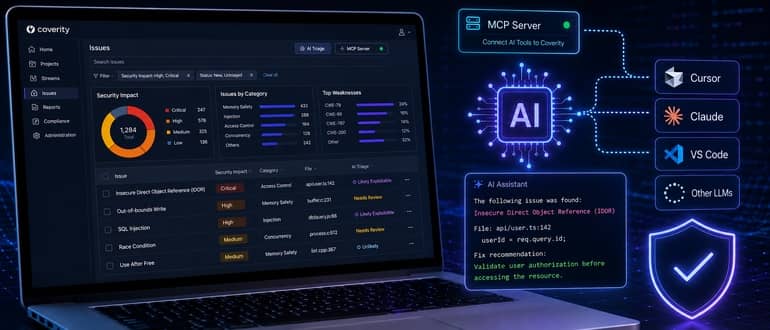
Black Duck Extends Scope and Reach of Code Scanning Tool
Black Duck has updated its Coverity static analysis code scanning tool to provide deeper integrations with artificial intelligence (AI) tools along with updates to its user interface that make it simpler to prioritize issues in a way that makes it easier to adhere to multiple compliance mandates. A Model Context Protocol (MCP) server added to […]
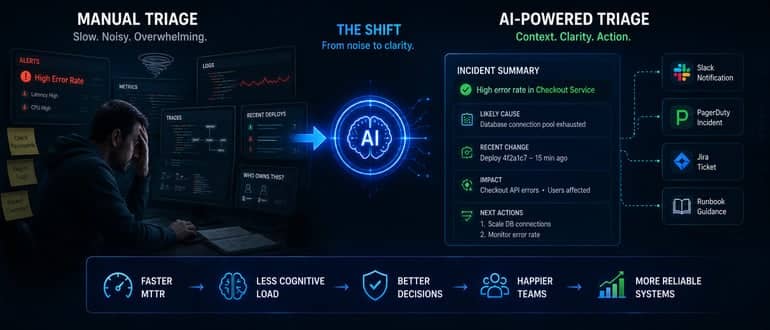
The End of Manual Triage
Why SRE teams are replacing manual incident triage with AI-assisted correlation, stronger observability and controlled agentic workflows.
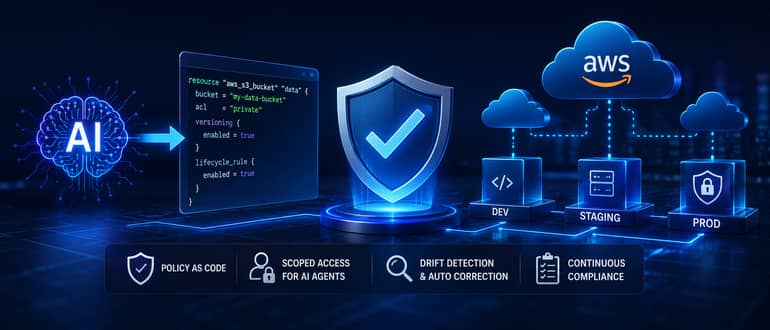
AI Agents Are Writing Your Infrastructure Code. Is Anyone Governing It?
AI agents now generate infrastructure code at scale, but security pass rates are stuck at 55%. Here’s how teams can close the governance gap.
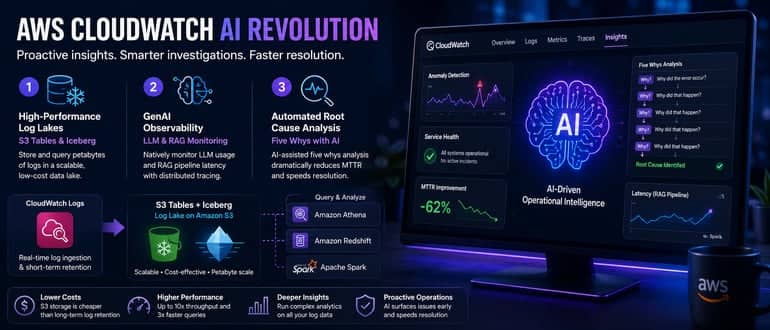
From Reactive Monitoring to AI-Driven Operational Intelligence
Traditional monitoring often meant chasing alerts and toggling between dashboards after an issue had already impacted users. AWS CloudWatch — long the backbone of metrics, logs and traces on AWS — is evolving past that reactive paradigm. The latest CloudWatch capabilities infuse AI-driven operational intelligence into observability, helping engineers surface issues before they escalate and […]