


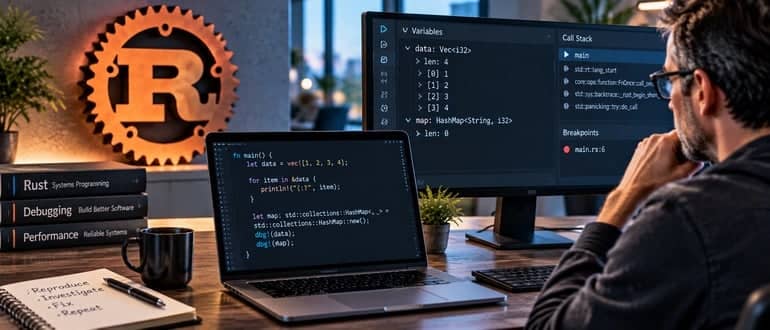
Rust’s First Debugging Survey Shows Most Developers Skip the Debugger Entirely
Most Rust developers don’t use a debugger. That’s the headline finding from the Rust compiler team’s first dedicated debugging survey, and it’s worth sitting with for a second. Rust has spent years building a reputation as the language that catches your mistakes before you ship them. The compiler is famously strict. The type system is […]

AI Has Turned Verification Into the New DevOps Bottleneck
The next DevOps challenge is not generating more software. It is proving, quickly and repeatedly, that a growing volume of machine-generated change is fit to ship.
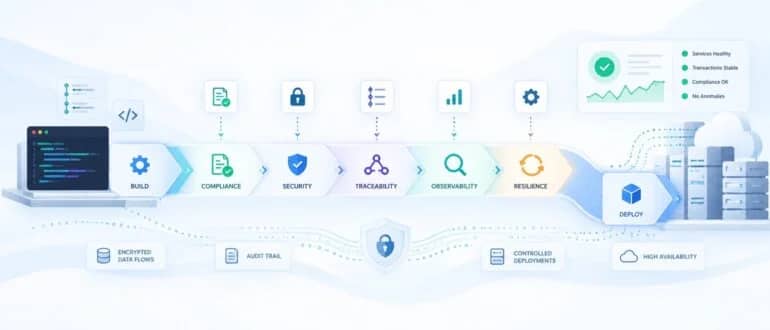
DevOps in Financial Services: Moving Fast Without Losing Control
DevOps is often associated with speed: shorter release cycles, greater automation, faster feedback and increased developer autonomy. In financial services, however, speed is only one part of the equation. A platform supporting banking, payments or other regulated financial workloads also has to account for security, traceability, resilience, access control and operational risk. A deployment that […]
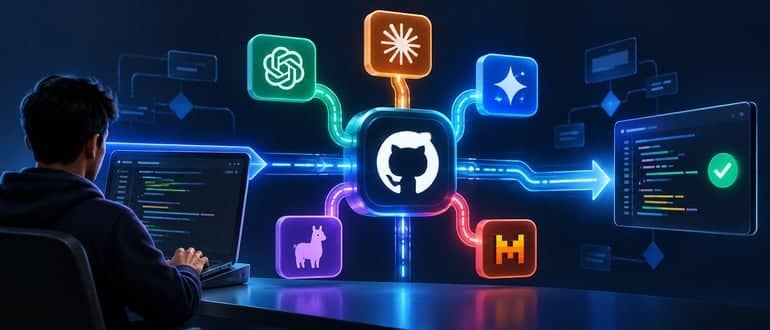
GitHub’s New Copilot Feature Takes the Guesswork Out of Picking AI Models
GitHub’s Project HydraFusion brings multi-model orchestration to Copilot, automatically routing coding tasks across AI models to balance quality, cost and complexity.
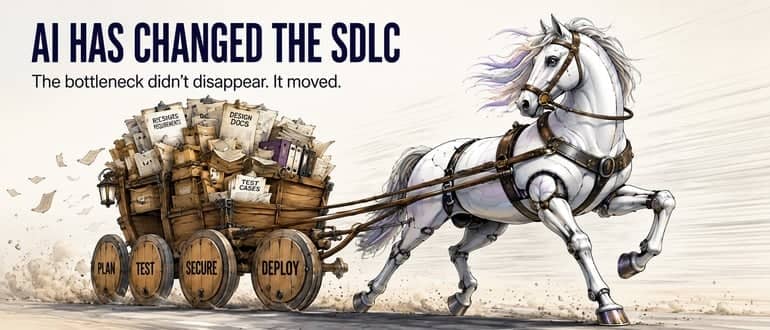
From the Horse’s Mouth: Anthropic Says AI Has Changed the SDLC
Anthropic’s AI-native SDLC playbook argues that faster coding is shifting the bottleneck to planning, testing, governance, deployment and operations.

GitOps in 2026: Why Pull Requests Are Taking Over Cloud Operations
For years, cloud infrastructure changes were mostly a mystery. An engineer would log into a dashboard, tweak a setting, run a few scripts, and that was it. Nobody worried until something broke. Suddenly, everyone wanted answers. Who changed this? Was it tested? Can we fix it? How did production end up out of sync with […]
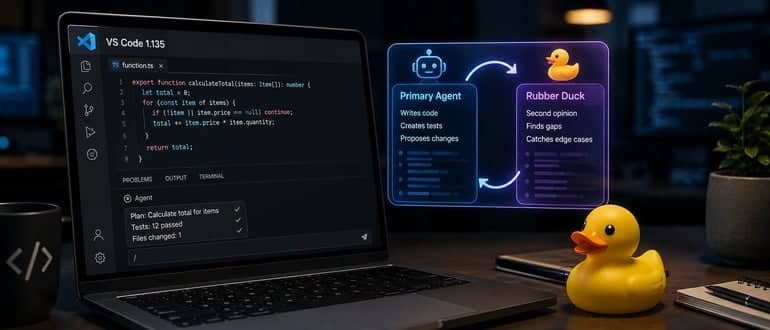
VS Code 1.135 Gives AI Coding Agents a Second Opinion
VS Code 1.135 adds Rubber Duck AI review, persistent agent sessions, Agent Host infrastructure and clearer token usage as Microsoft builds a more agentic IDE.

A Simple Website Summary Just Exposed the Limits of AI Coding Guardrails
Claude Code’s Auto Mode was bypassed in an attack chain that turned a routine webpage summary into remote code execution, highlighting the limits of AI agent guardrails.
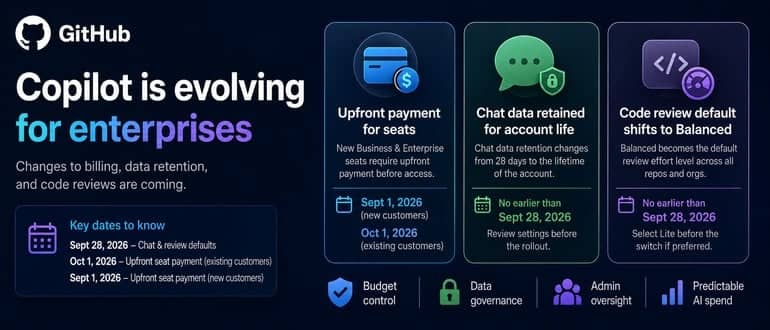
GitHub Tightens Copilot’s Billing and Governance Rules Ahead of a Busy Fall
GitHub Copilot is tightening enterprise controls with upfront seat billing, longer chat retention and a Balanced code review default.
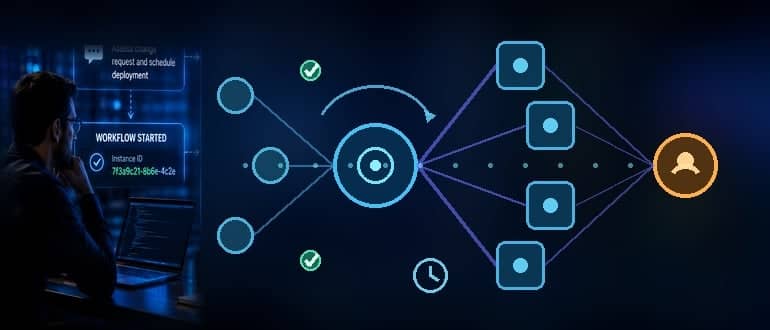
The Missing Runtime for Long-Running AI Agents
Enterprise AI agents need more than stronger models. They need durable execution environments that can coordinate multi-step workflows, survive failures, pause for human review and resume reliably after disconnects or delays. AI Agents Have Moved Beyond Chat Demos AI agents work beautifully in demos. A user asks a question, a large language model generates a […]
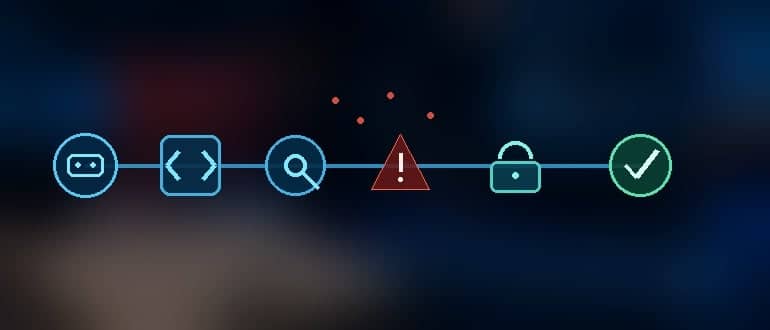
AI Can Generate Your Infrastructure. Can Your CI/CD Pipeline Trust It?
AI-generated infrastructure code is exposing a growing security gap, pushing platform teams to add stronger automated gates, provenance tracking and human review before Terraform, Kubernetes and CI/CD changes reach production.

Your AI Coding Budget Is Becoming a Variable Cloud Bill
AI coding assistants are becoming a variable, usage-based engineering cost, forcing platform and DevOps teams to apply FinOps practices to models, credits, utilization and multi-vendor spend.

Scalable Jenkins Management: Empowering Enterprises With Centralized Control for 150+ Instances
A centralized Jenkins control plane can reduce fleet sprawl, automate upgrades and backups, improve observability, and give application teams safe self-service across large multi-cloud CI/CD estates.

What the Microservices Era Can Teach Us About AI
AI agents are not just microservices with LLMs attached. Their long-running, non-deterministic workflows demand durable execution, per-step identity, governance and observability.
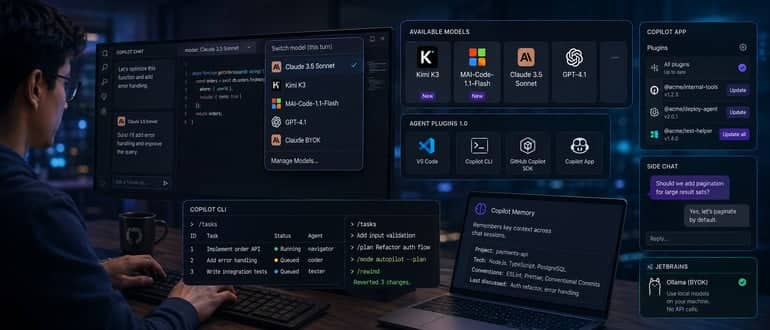
GitHub Copilot’s Latest Update Bets on Model Choice, Not Model Loyalty
GitHub’s latest Copilot updates add Kimi K3, MAI-Code-1.1-Flash, Agent Plugins 1.0, model switching, CLI improvements, and local Ollama support.
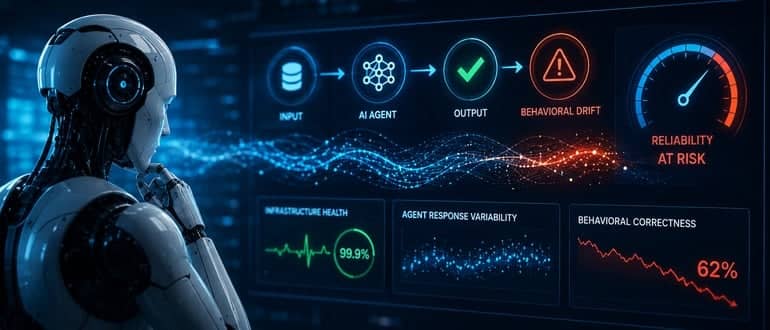
So Agentic Systems Are Messing Up Your SLO Framework
Traditional SLOs cannot show whether AI agents are behaving correctly. Platform teams need layered metrics for infrastructure, inference and behavioral reliability.

DevOps Is Drowning in Updates—and Engineering Is Paying the Price
DevOps used to be a manageable rhythm: several core tools, a handful of respected blogs, and a few incident write-ups that made everyone slightly uncomfortable in a useful way. Now it feels like a firehose aimed directly at the on-call rotation. DevOps teams now have more information than they can reasonably track. Critical updates are […]
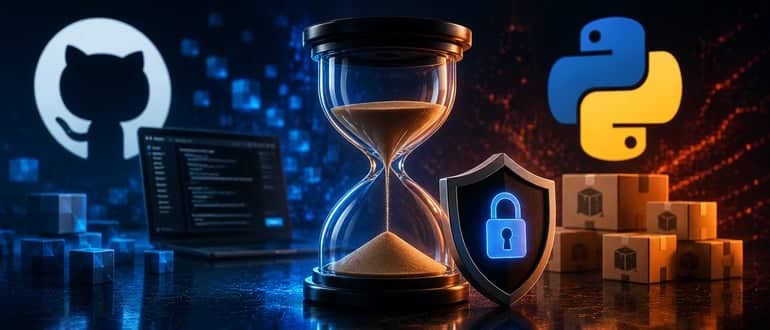
GitHub and PyPI Bet On Time to Slow Down Software Supply Chain Attacks
GitHub and PyPI are using time as a security control, delaying dependency updates and locking older releases against new file uploads.
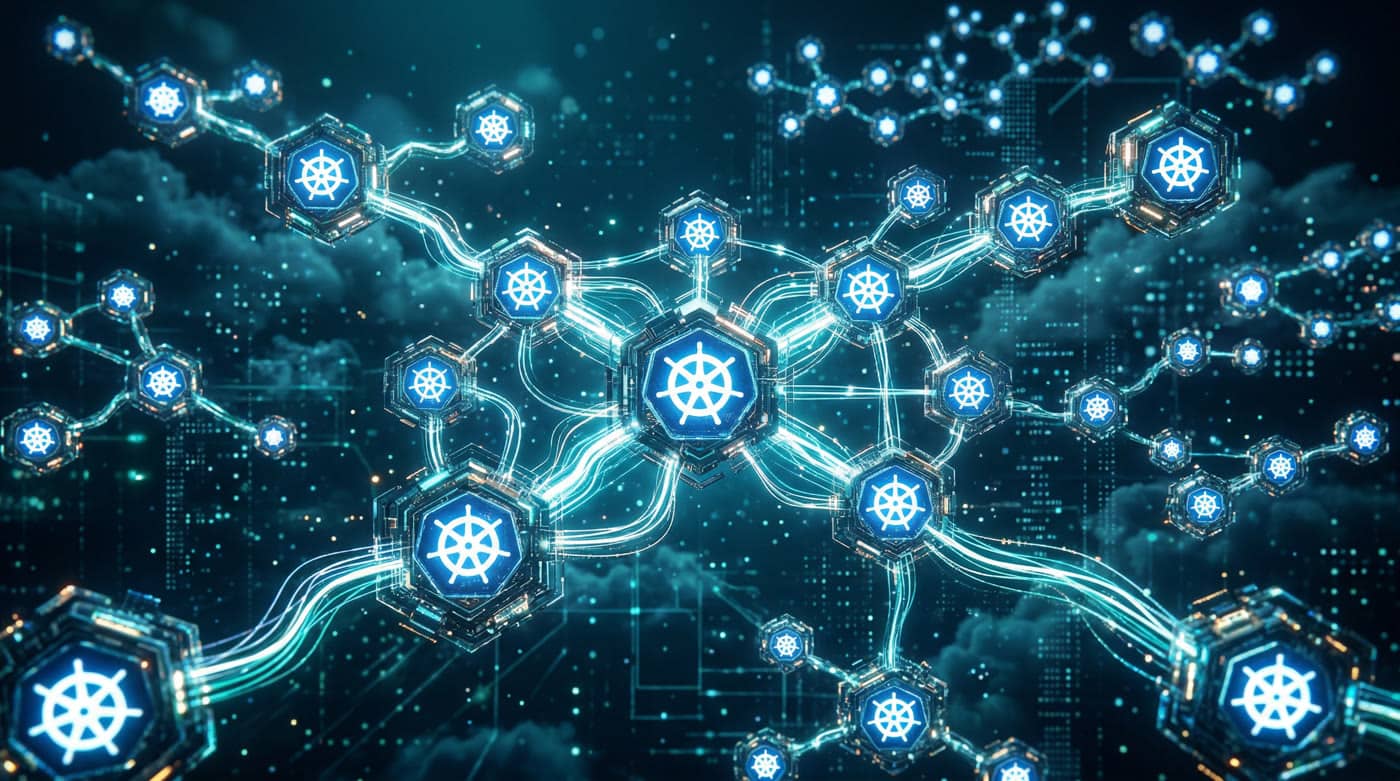
The Trust Graph: Why Infrastructure Diagrams No Longer Describe Modern Systems
Traditional architecture diagrams miss the identity relationships that now drive breaches and outages. Platform teams need trust graphs that map who and what can act across modern systems.
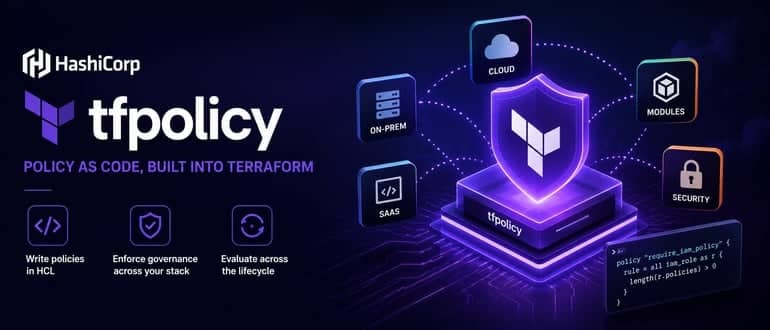
HashiCorp Introduces tfpolicy, a Native Policy Framework for Terraform
HashiCorp’s new tfpolicy framework brings native policy-as-code governance to Terraform using HCL and lifecycle-aware infrastructure checks.
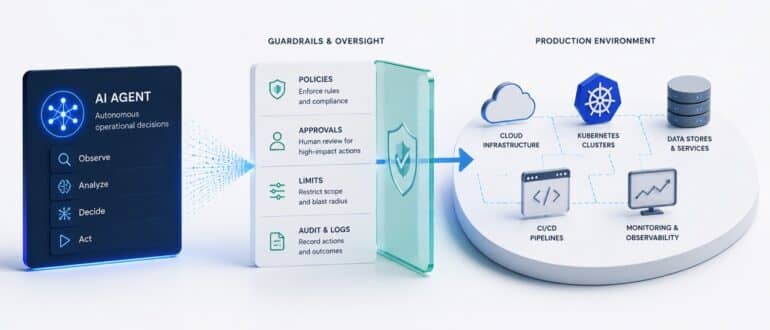
When AI Agents Get Production Access: The Next Big DevOps Risk
It wasn’t that long ago that AI assistants just watched from the sidelines. They could answer your questions, explain how things worked, sum up logs, and write deployment scripts. Handy, sure, but the real decisions? Still up to the engineers. That’s changing now. AI agents are stepping right into the heartbeat of operations. They can […]
Platform Engineering vs. DevOps: Why This Is the Wrong Question
DevOps has done what it was supposed to do. It broke down the wall between development and operations, it made continuous delivery a normal expectation, it made shared ownership of production a cultural default, and it moved software delivery from a scheduled event to a continuous flow. The results reshaped how modern software gets built. […]

Risk-Based Review for Infrastructure as Code Pull Requests
Not every infrastructure pull request deserves the same review path. A tag change in a development account and a network-policy change in production should not create identical reviewer load. When every change is treated as high risk, reviewers stop trusting the signal. In IaC review, I have seen reviewers spend too much attention on low-risk changes […]