

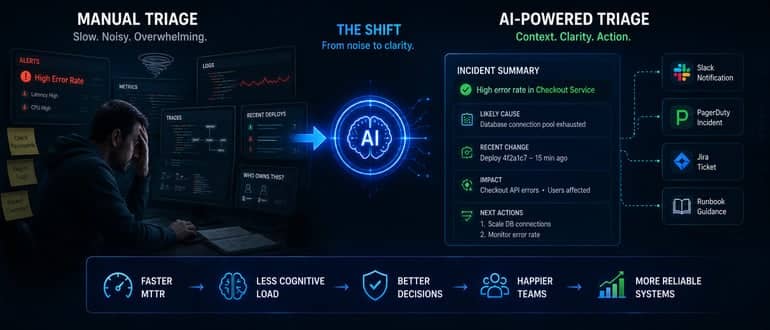
The End of Manual Triage
Why SRE teams are replacing manual incident triage with AI-assisted correlation, stronger observability and controlled agentic workflows.
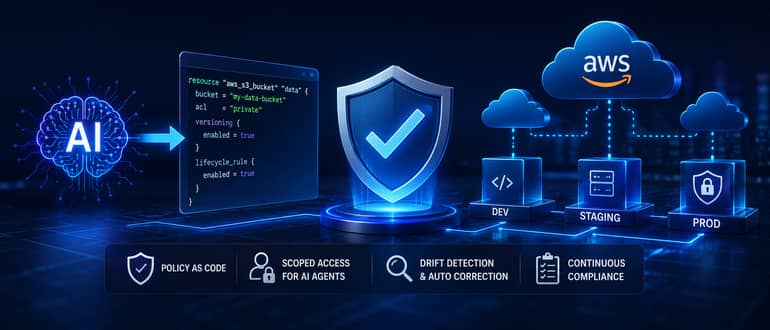
AI Agents Are Writing Your Infrastructure Code. Is Anyone Governing It?
AI agents now generate infrastructure code at scale, but security pass rates are stuck at 55%. Here’s how teams can close the governance gap.
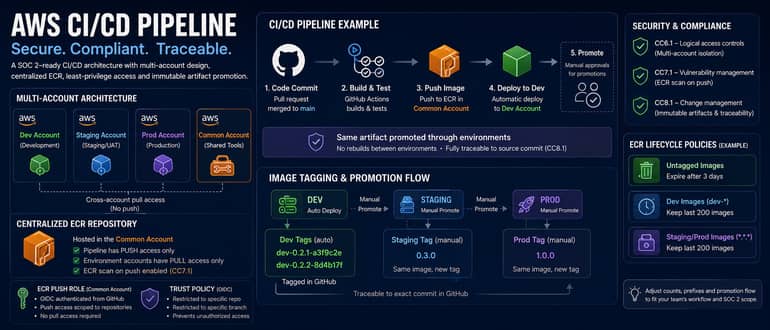
Building SOC 2 Compliant CI/CD Pipelines on AWS with GitHub Actions
How to design a secure, traceable AWS CI/CD pipeline using separate accounts, centralized ECR, OIDC and immutable image promotion for SOC 2.
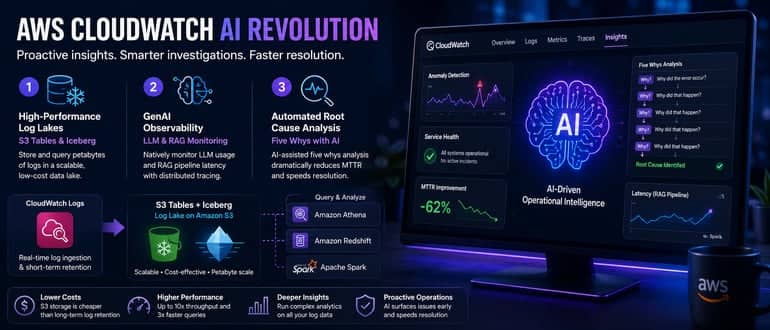
From Reactive Monitoring to AI-Driven Operational Intelligence
Traditional monitoring often meant chasing alerts and toggling between dashboards after an issue had already impacted users. AWS CloudWatch — long the backbone of metrics, logs and traces on AWS — is evolving past that reactive paradigm. The latest CloudWatch capabilities infuse AI-driven operational intelligence into observability, helping engineers surface issues before they escalate and […]
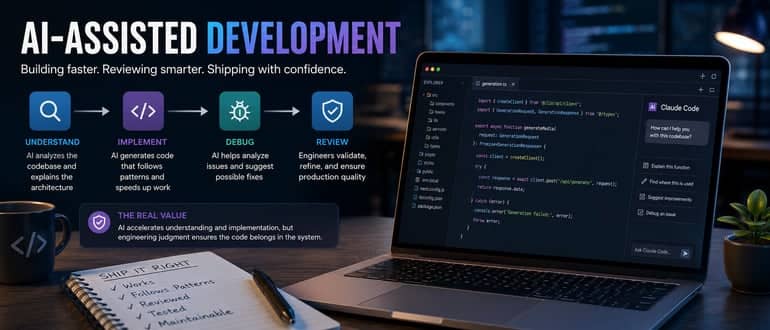
AI-Assisted Development Under Deadline: What It Takes to Ship Production Code on an Unfamiliar Stack
How Claude Code accelerated development on an unfamiliar stack while proving that production-ready AI-generated code still requires human judgment.
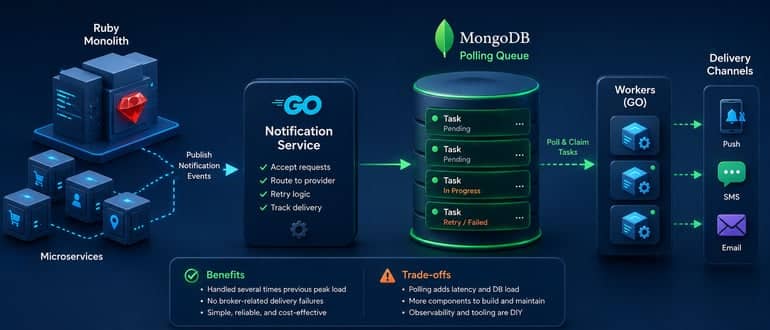
When the Message Broker Becomes the Bottleneck: Scaling Push and SMS With MongoDB Polling
A back-end team extracted notification delivery from a large Ruby monolith into a centralized Go service, only to discover that their shared RabbitMQ cluster could not reliably support the new workload. Here’s how they solved the problem using MongoDB as a polling queue and the trade-offs that came with it. The Scaling Problem Inside the […]

New Copilot Dashboard Shows Enterprises Which Developers Are Actually Using AI — Not Just Who’s Logged In
GitHub’s new Copilot dashboard shows enterprises which developers use AI deeply — turning adoption data into a real productivity business case.

The Trust Graph: Why Infrastructure Diagrams No Longer Describe Modern Systems
Traditional architecture diagrams miss the identity relationships that now drive breaches and outages. Platform teams need trust graphs that map who and what can act across modern systems.

Signed, Attested, and Malicious: The Software Supply Chain Has a Deepfake Problem
A developer pulls a package from a reliable repo. It is signed, has provenance, and has been scanned. And then…it contains malware. That is no longer hypothetical. When the Miasma worm tore through the @redhat-cloud-services npm namespace in June, its malicious releases carried real SLSA provenance, because they were built in Red Hat’s own GitHub […]

AI Moved the Bottleneck From Writing Code to Understanding and Trusting It
AI coding boosts velocity, but without stronger review, governance and codebase visibility, teams risk higher costs, security gaps and production failures. TL;DR
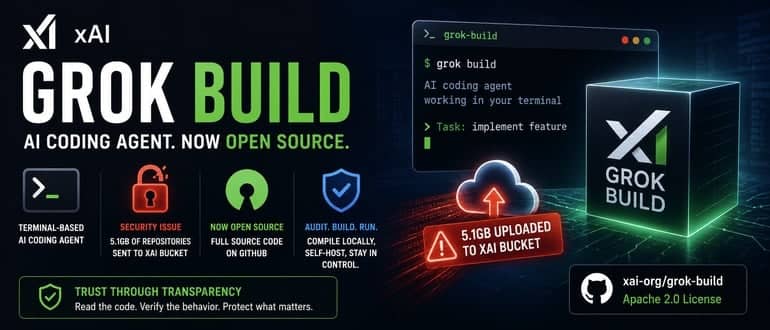
xAI Open-Sources Grok Build Coding Agent After Cloud Upload Exposes SSH Keys, Repos
xAI has published the full source code for Grok Build, its terminal-based AI coding agent, on GitHub under an Apache 2.0 license. The release lands three days after a security researcher showed the tool quietly shipping entire developer repositories — SSH keys and password databases included — to a Google Cloud bucket xAI controls. The […]
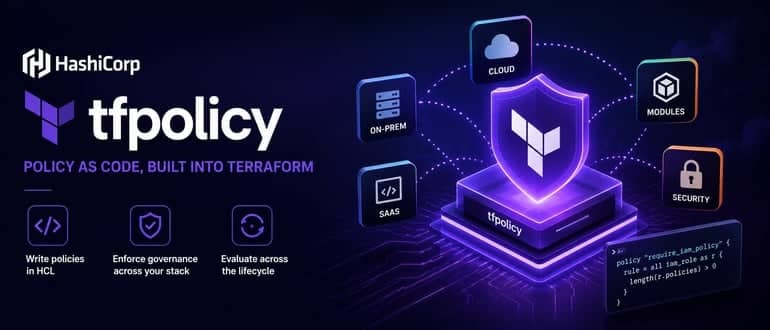
HashiCorp Introduces tfpolicy, a Native Policy Framework for Terraform
HashiCorp’s new tfpolicy framework brings native policy-as-code governance to Terraform using HCL and lifecycle-aware infrastructure checks.
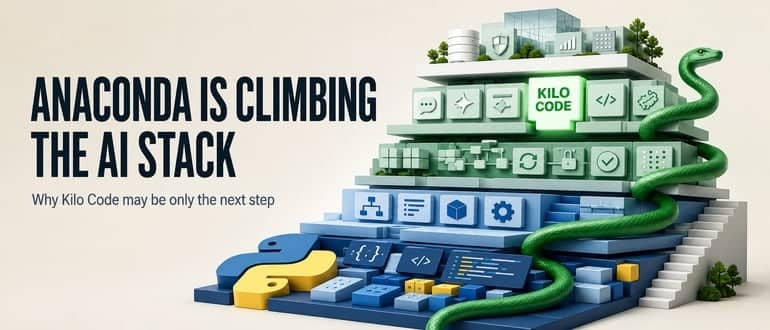
Anaconda Doesn’t Want to Be Just the Python Company Anymore
The question is no longer whether Anaconda wants to be more than the Python company. It is how much of the AI development stack DeSanto ultimately intends to own.
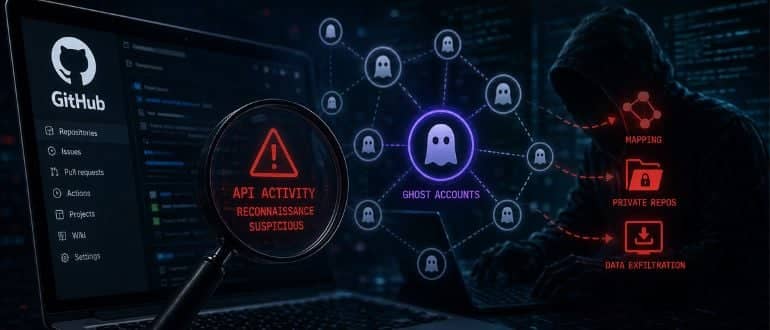
GitHub API Abuse, ‘Ghost’ Accounts Part of Malicious Efforts to Map Organizations
Datadog researchers uncover months-long overlapping campaigns to scrape data about companies and their developers.
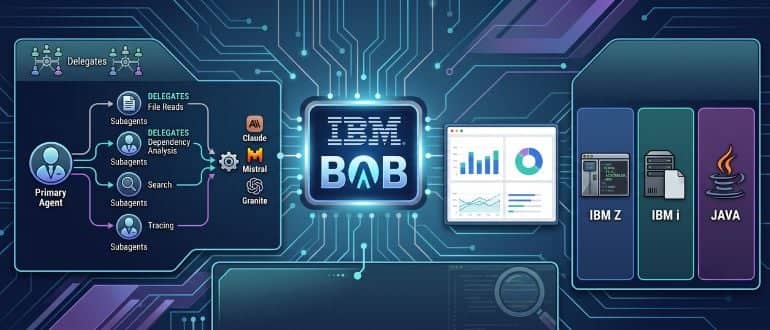
IBM Bob Gets Multi-Agent Muscle and a Cost Dashboard for Enterprise Coding
IBM Bob adds multi-agent coordination, cost analytics, and modernization workflows for IBM Z, IBM i, and Java as AI governance takes center stage.

SpaceXAI’s Grok 4.5 Undercuts Anthropic and OpenAI on Coding Agent Pricing
SpaceXAI’s Grok 4.5 undercuts Opus 4.8 on price, matching it on key coding benchmarks, and adds new safeguards against cybersecurity risks.
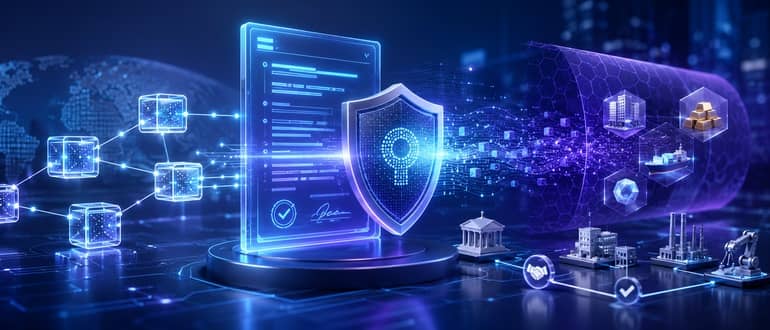
Enterprise Smart Contracts Have a Cryptography Problem. EY Just Built a Way Around It
The business case for smart contracts is building fast. Major financial institutions are using programmable, code-based agreements to underpin financial workflows, supply chain operations, and tokenization initiatives. Developers are being asked to prove the value. But there’s a problem most organizations don’t fully see until they’re already stuck: Privacy. Public blockchains are transparent by design. […]

Multi-Model AI Debate: The New Way to Design Software Systems
How agentic workflows can automate architecture debates, compare tradeoffs and produce stronger software designs

How to Build a DevSecOps CI/CD Pipeline on Azure With GitHub Actions
Fix security problems when they’re cheap to fix, which is before the code is deployed. A pipeline that enforces this automatically is what makes that principle real.

Shadow Mode Continuous Integration: The Missing Test Layer for AI Agents
Autonomous agents require CI/CD pipelines that evaluate behavior, not just artifacts. Containerized shadow mode gives platform teams a practical control point: Run the agent in an isolated Docker environment, replay realistic workflows, capture structured traces and evaluate behavior against statistical and policy baselines.

From Alerts to Intelligence: Building a Production Self-Healing System for Port-Down Failures
Big, distributed computing systems seldom have visible failures. Most of them start without any bang, frequently with a health-check disconnection, a failed TCP connection or a service port that is no longer listening. Such signals are not too big when considered in isolation. However, in the scenario where systems are running with several hundreds of […]
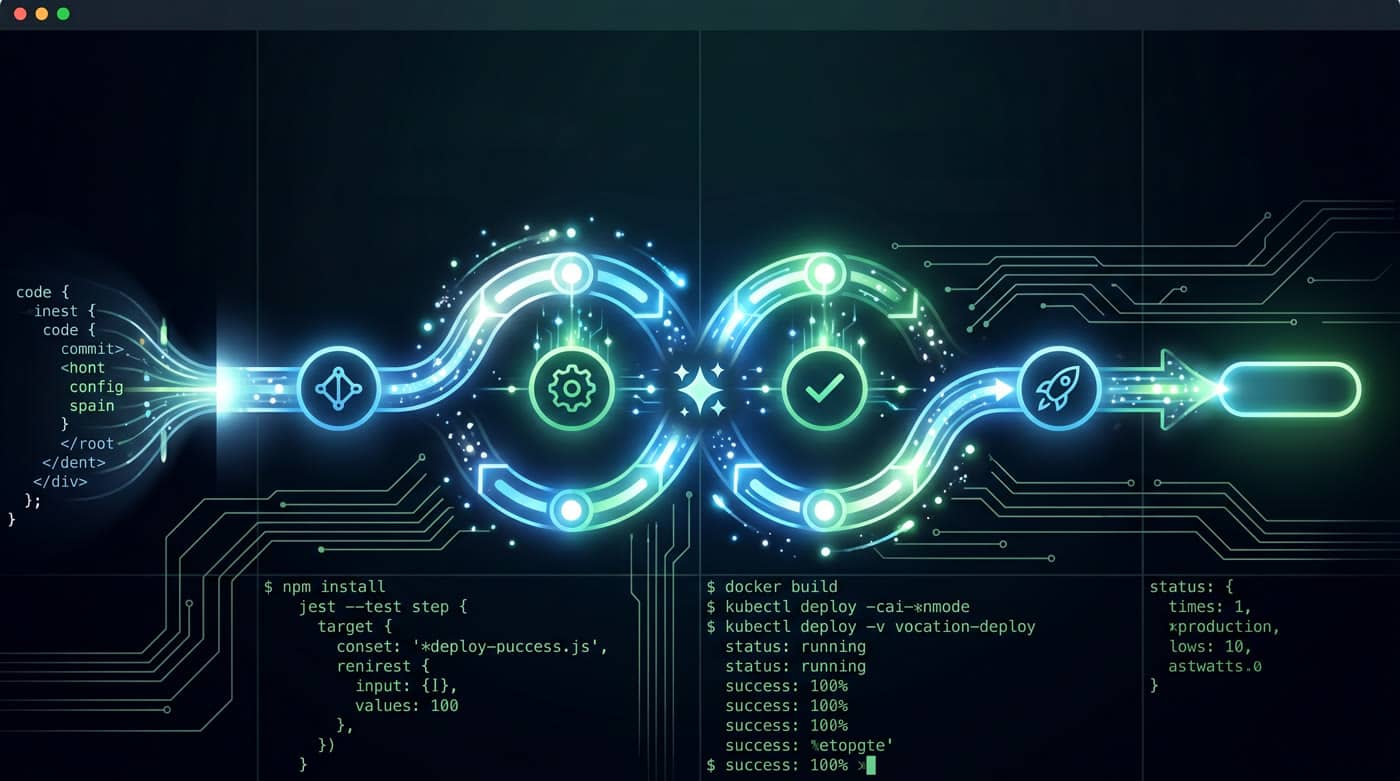
Self-Healing Infrastructure With Cognitive Automation: How LLMs and Ansible Transform Middleware Reliability
Infrastructure reliability has always been central to enterprise success, yet traditional automation methods often fall short in handling complex, dynamic environments. With the rise of large language models (LLMs), a new paradigm of cognitive automation is emerging — where intelligent agents help infrastructure not only detect failures but also recommend or implement remediations in real-time. […]

Why AI-Driven Devops is Exposing the Limits of Traditional Toolchains and What Comes Next for Engineering Teams in 2026
The future belongs to adaptive systems that can learn, adjust and self-correct in real-time. Teams that invest in observability, modularity and AI-aware governance today will be positioned to thrive in this new operational reality.