



Cycode Extends DevSecOps Reach to Software Packages Developers Download
Cycode is adding workstation-level protection to stop developers and AI coding agents from downloading malicious or insufficiently vetted software packages.

Ten Great DevOps Job Opportunities
DevOps.com is now providing a weekly DevOps jobs report through which opportunities for DevOps professionals will be highlighted as part of an effort to better serve our audience. Our goal in these challenging economic times is to make it just that much easier for DevOps professionals to advance their careers. Of course, the pool of […]

Why Your CI/CD Pipeline Is Your Most Unprotected Attack Surface
CI/CD pipelines often hold privileged credentials, execute third-party code and connect directly to production, making pipeline security one of the most overlooked risks in modern DevOps.
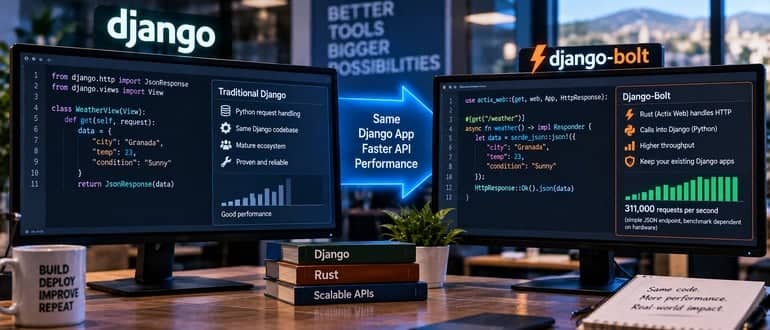
Can Rust Improve Real Django API Performance? Testing Django-Bolt Beyond Synthetic Benchmarks
Django-Bolt uses Rust to accelerate Django request handling, but real-world gains depend on database work, authentication, serialization and where an API actually spends its time.
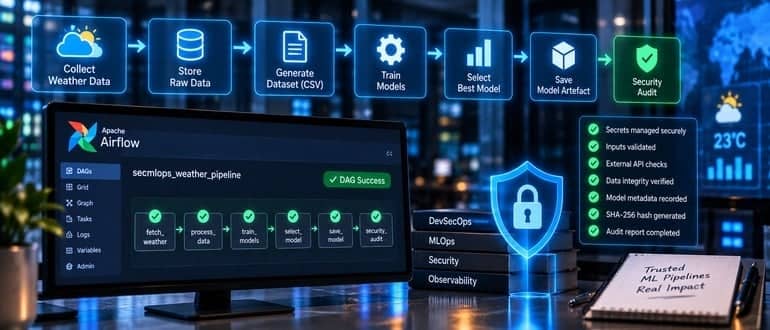
Why MLOps Pipelines Need Security Audits
A practical SecMLOps experiment shows how Apache Airflow ML pipelines can adopt DevSecOps controls for secrets, validation, artifact integrity and auditable security evidence.
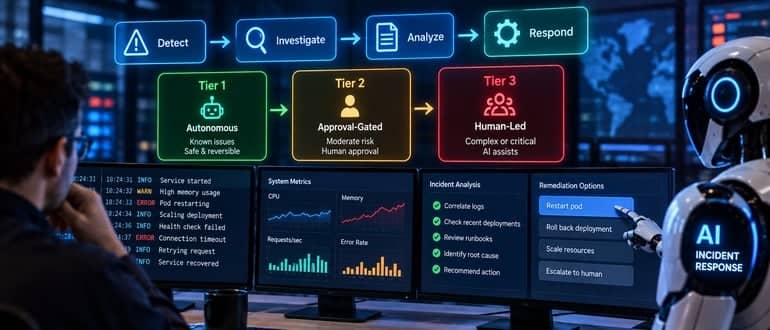
The Three Tiers of Agentic Incident Response: When to Trust AI Autonomy
A three-tier model for agentic incident response balances AI automation with human oversight, matching autonomy to risk, reversibility, blast radius and diagnostic confidence.
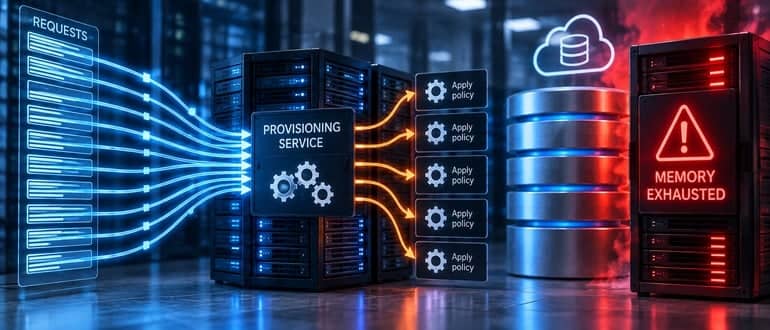
The Most Dangerous Reliability Failures Aren’t Component Failures
A production provisioning failure shows why reliability problems can emerge from interactions between healthy components, and how system-level constraints and feedback can prevent them.

GitHub Widens the Door on Advanced Security Trials
GitHub raised its self-serve Advanced Security trial cap from 100 to 300 licenses, letting more mid-size Enterprise Cloud orgs test for free.
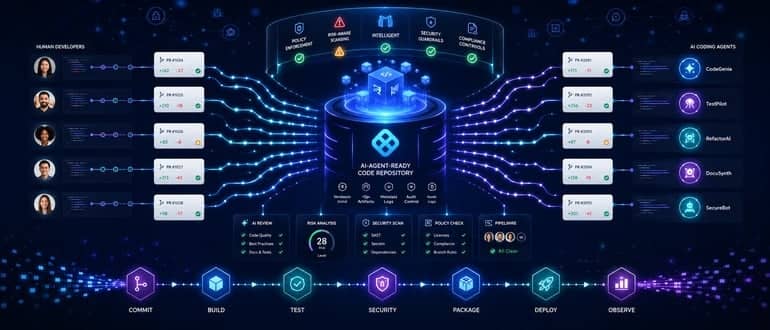
Flaw in DeepSeek Harness AI Coding Tool Let Agents Disable Their Sandbox
News of the now-fixed vulnerability comes amid growing concerns that AI vendors do not in have complete control of their autonomous agents.

GitHub Puts Guardrails on Copilot’s Sandbox Inside JetBrains IDEs
JetBrains IDEs are where a lot of enterprise backend work happens — Java, Kotlin, Spring, big monorepos with a lot to break. So when an AI coding agent starts running shell commands inside that environment, the question isn’t whether it’s useful. It’s what happens if it touches the wrong file, the wrong network path, or […]

Rust’s First Debugging Survey Shows Most Developers Skip the Debugger Entirely
Most Rust developers don’t use a debugger. That’s the headline finding from the Rust compiler team’s first dedicated debugging survey, and it’s worth sitting with for a second. Rust has spent years building a reputation as the language that catches your mistakes before you ship them. The compiler is famously strict. The type system is […]

GitHub Quietly Fixes One of Dependabot’s Oldest Headaches
GitHub Dependabot can now authenticate to GitHub-hosted package registries without personal access tokens, reducing credential management and supply chain security risk.

Observability’s Gaslighting Problem: “Send Less Data” Isn’t a Strategy
A familiar pattern is emerging in observability conversations. As telemetry volumes grow and costs rise, the default recommendation is often to collect less data: Sample more, retain less, index selectively, filter earlier, and reduce cardinality until the economics become manageable. Some of this is reasonable. No system benefits from unlimited accumulation without curation. But when […]
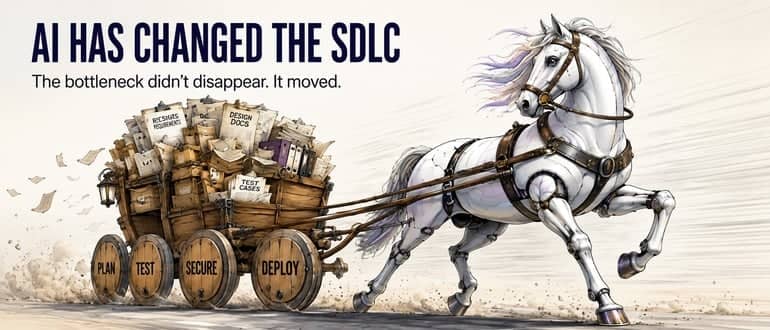
From the Horse’s Mouth: Anthropic Says AI Has Changed the SDLC
Anthropic’s AI-native SDLC playbook argues that faster coding is shifting the bottleneck to planning, testing, governance, deployment and operations.
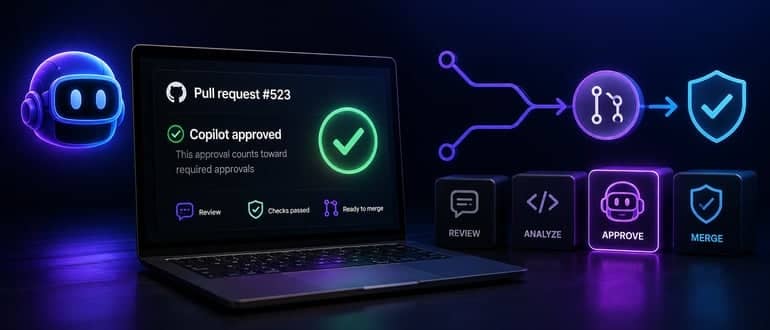
GitHub Puts Copilot in the Approval Seat for Pull Requests
GitHub Copilot can now submit binding pull request approvals, moving AI code review from advisory feedback into the merge decision itself.

Debian’s AI Vote Bets on Accountability Instead of a Ban
Debian’s new AI contribution policy avoids bans and mandatory disclosure, instead making developers responsible for reviewing AI-generated work and protecting sensitive data.
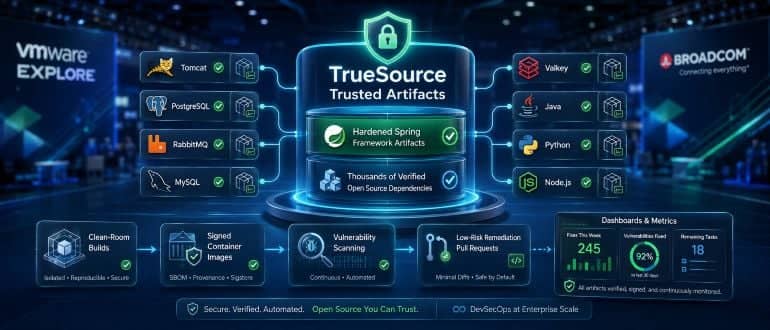
Broadcom Launches Trusted Artifact Service for Spring Framework
Broadcom launches TrueSource Trusted Artifacts to provide hardened Spring dependencies, secure open source packages and automated vulnerability remediation.

A Simple Website Summary Just Exposed the Limits of AI Coding Guardrails
Claude Code’s Auto Mode was bypassed in an attack chain that turned a routine webpage summary into remote code execution, highlighting the limits of AI agent guardrails.
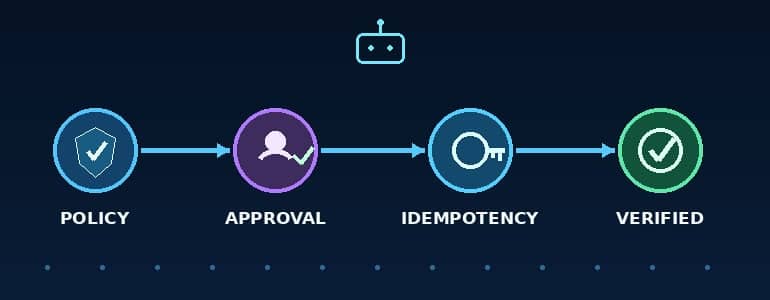
How to Build a Durable Change-Control Gate for AI Agents
AI agents that trigger real-world changes need more than confidence scores. A durable change-control gate should recheck policy, require approval for consequential actions, enforce idempotency and verify the result before retrying.
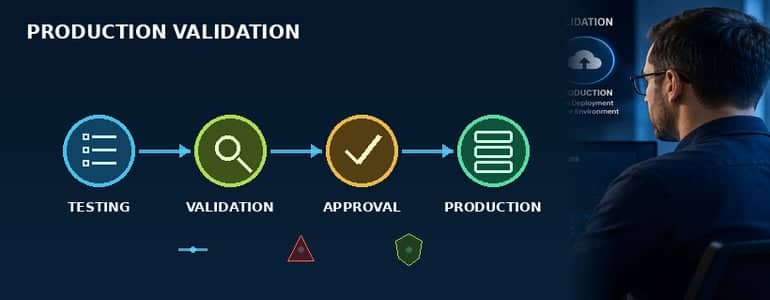
Production Validation: The Missing Layer in Enterprise Releases
Production validation adds a critical business-control layer between testing and deployment, combining data checks, exception review, approvals, reconciliation and operational readiness before a release reaches production.
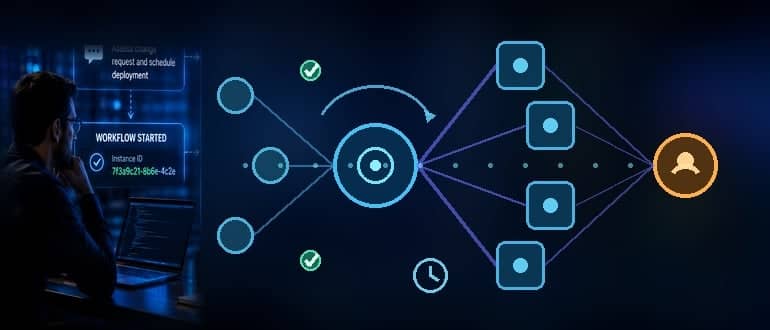
The Missing Runtime for Long-Running AI Agents
Enterprise AI agents need more than stronger models. They need durable execution environments that can coordinate multi-step workflows, survive failures, pause for human review and resume reliably after disconnects or delays. AI Agents Have Moved Beyond Chat Demos AI agents work beautifully in demos. A user asks a question, a large language model generates a […]

Automated Diagnosis Isn’t Automated Understanding: What Postmortems Teach Us About Building Trustworthy Incident AI
AI incident tools can reduce alert noise, but real root-cause diagnosis requires causal reasoning, live dependency context, uncertainty handling and strong postmortem data.
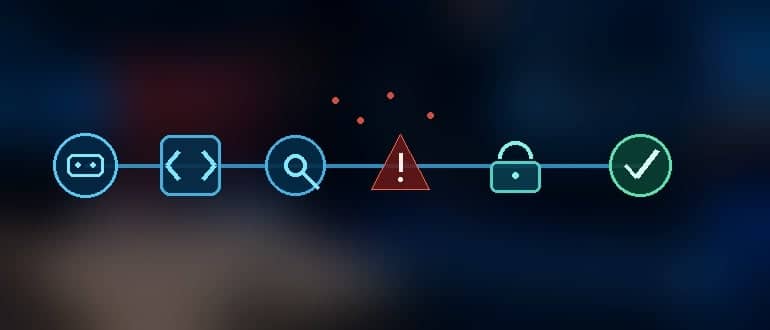
AI Can Generate Your Infrastructure. Can Your CI/CD Pipeline Trust It?
AI-generated infrastructure code is exposing a growing security gap, pushing platform teams to add stronger automated gates, provenance tracking and human review before Terraform, Kubernetes and CI/CD changes reach production.