

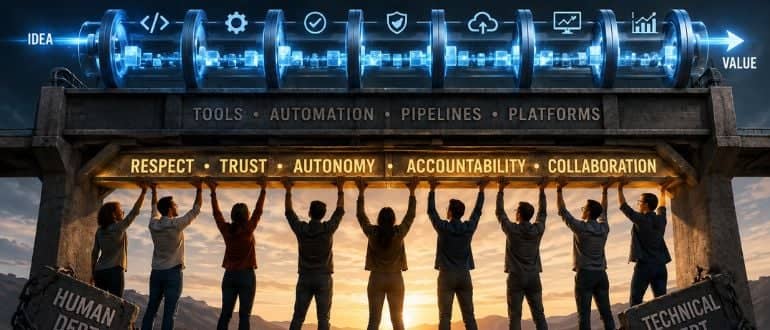
Respect and Trust as DevOps Engineering Disciplines
Respect and trust are DevOps engineering disciplines. They shape flow, quality, security, reliability, and adaptation.
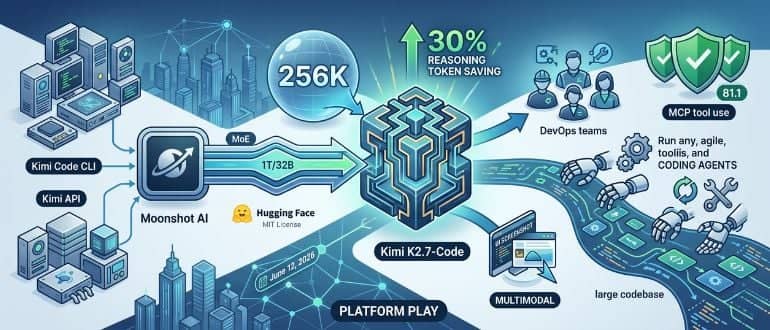
Moonshot AI’s Kimi K2.7-Code Targets Token Efficiency in Agentic Coding
Moonshot AI’s Kimi K2.7-Code offers 30% lower token usage and a 21.8% coding benchmark gain — here’s what DevOps teams need to know about the open-source release.
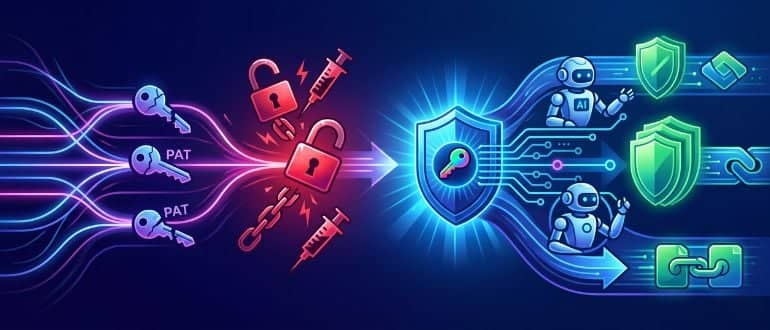
GitHub Removes PAT Requirement for Agentic Workflows
GitHub Agentic Workflows can now use GitHub Actions’ built-in GITHUB_TOKEN instead of a personal access token (PAT). That means developers no longer need to create, store, or rotate a PAT to run agentic workflows, eliminating both the operational hassle and the security risks that come with managing long-lived tokens at scale.
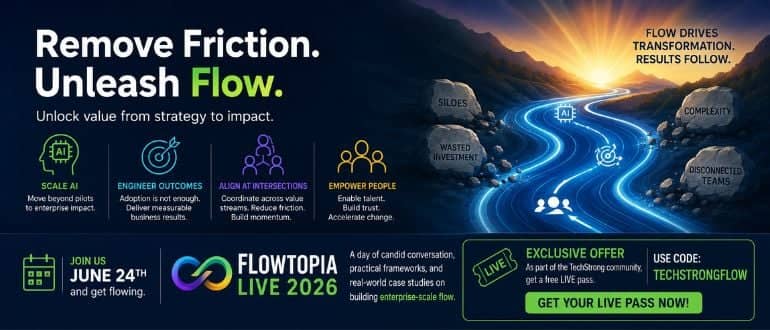
From Pilots to Performance: Why Enterprise Flow is the New Competitive Advantage
Flow: Not a buzzword, but a discipline. Those that master it will be the ones that turn transformation ambition into transformation results.
Using Bicep Modules to Build Enterprise-Grade Azure Infrastructure
Azure Bicep has become the preferred IaC language for Azure because it’s declarative, simple, modular and deeply integrated with the Azure platform.

Shift Left to the Developer’s Machine: Building Local Git Security Gates
Shift left to the developer’s machine. The principle is what matters: Stop secrets before they ship. The tooling is a means to that end.
Still Using API Keys for Your AI Agent? Here’s When it’s Time to Upgrade
API keys got you here. They won’t get you where you’re going. OAuth isn’t a future upgrade. It’s the foundation your agents should have been built on from the start.
Carbon-Aware DevOps: Turning CI/CD Pipelines Into Emissions-Controlled Workloads
This article examines how a Carbon-Aware DevOps strategy can help optimize CI/CD pipelines for sustainability by reducing their carbon footprint while also decreasing costs and meeting the increasing demand for innovative, eco-friendly solutions.
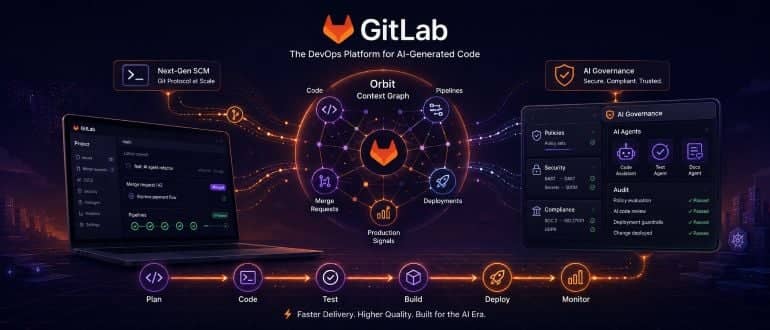
GitLab Previews Revamped DevOps Platform for the Agentic AI Era
At Transcend 2026, GitLab launched updates to optimize its DevOps platform for AI-generated code, featuring Next Gen Source Code Management, GitLab Orbit, and an AI Governance framework.
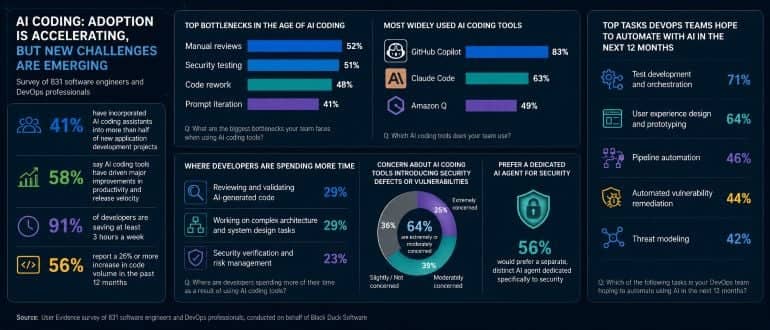
Survey Surfaces Emerging DevOps Bottlenecks in the AI Coding Era
New Black Duck survey reveals AI coding tools boost developer productivity but create critical bottlenecks in manual reviews, code rework, and security vulnerabilities.

The Hidden Cost of AI Code: Keeping Quality Up With Production
AI accelerated code delivery, but the bigger change is in who’s building software, how much is being built and what it takes to trust it.
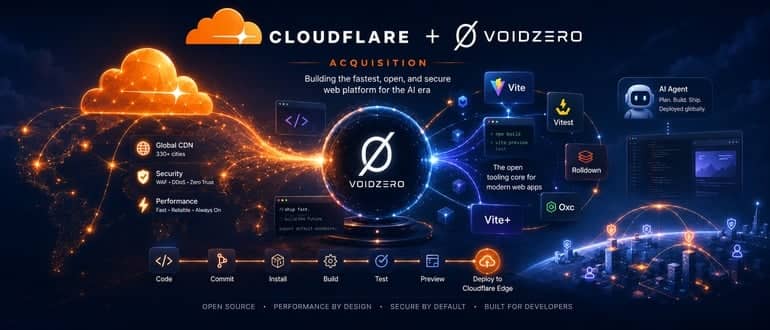
Cloudflare Acquires VoidZero to Advance Open Source Vite Ecosystem
Cloudflare this week acquired VoidZero, the maintainer of open source tools such as Vite, Vitest, Rolldown, Oxc, and Vite+ that are used widely to build web application frameworks. Rita Kozlov, vice president of product management for Cloudflare, said this acquisition will ensure the financial stability of a set of open source tools that play a […]

Why the Software Development Tools you Choose Directly Affect Your CI/CD Reliability
The software development tools you choose shape your CI/CD pipeline reliability in ways that only surface months later. Learn what to evaluate before adoption.
Risk-Based Review for Infrastructure as Code Pull Requests
Not every infrastructure pull request deserves the same review path. A tag change in a development account and a network-policy change in production should not create identical reviewer load. When every change is treated as high risk, reviewers stop trusting the signal. In IaC review, I have seen reviewers spend too much attention on low-risk changes […]
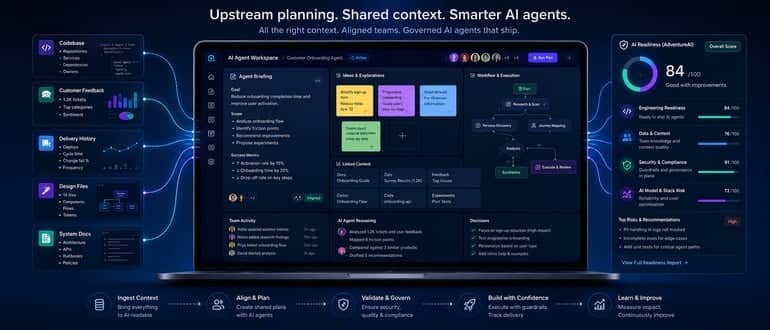
Allstacks Extends Reach of Software Engineering Intelligence Platform to AI Agents
Allstacks this week added a shared workspace capability to its software engineering intelligence platform that makes it simpler for product and software engineering teams to create specifications for artificial intelligence (AI) agents that organizations plan to develop and deploy. Product Studio provides teams with a place to plan, draft, and refine product requirements using the […]

Agentic Observability is Not a Chatbot Over Telemetry
Agentic observability isn’t about removing engineers from the loop. It is about making the loop faster, better informed, and easier to operate at the scale modern systems require.
GitHub Copilot Gets Its Own App — and Agents Are the Reason Why
GitHub debuts the Copilot app at Microsoft Build 2026 — an agent-native desktop experience for managing parallel AI agents, canvases, sandboxes, and code review.
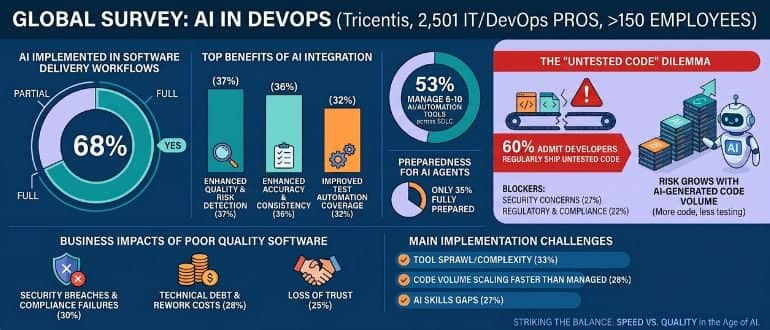
Survey Surfaces Pervasive Adoption of AI Across SDLC
Tricentis survey reveals 68% of orgs use AI in software delivery, but 60% admit to shipping untested code, leading to massive financial and security risks.

Ten Great DevOps Job Opportunities
DevOps.com is now providing a weekly DevOps jobs report through which opportunities for DevOps professionals will be highlighted as part of an effort to better serve our audience. Our goal in these challenging economic times is to make it just that much easier for DevOps professionals to advance their careers. Of course, the pool of […]
xAI Opens Grok Build 0.1 to Developers via API
xAI’s Grok Build 0.1 is now available in public beta via the xAI API — a fast, purpose-built coding model for agentic workflows, debugging, and MCP support.
Claude Code’s Dynamic Workflows Take on the Tasks That Were Too Big to Automate
Anthropic’s Claude Code dynamic workflows run parallel subagents to tackle codebase-wide audits, large migrations, and complex engineering tasks end-to-end.
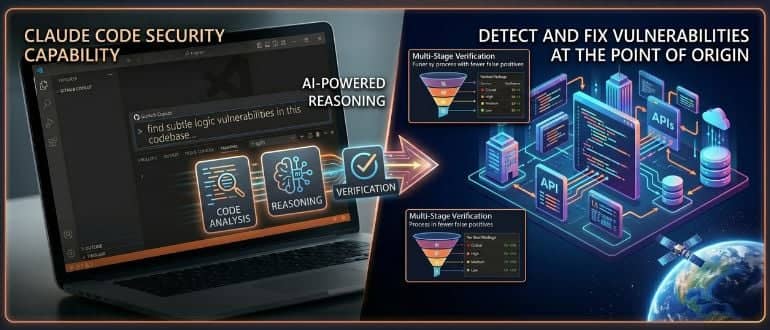
Claude Code Security Catches Vulnerabilities While You Write Code
Claude Code Security uses AI reasoning to catch complex vulnerabilities in code — including logic flaws that traditional static analysis tools consistently miss.

Why Logs, Metrics and Traces Still Don’t Give You Real Observability
If your team can answer the question “Did the system do the right thing?” and not just “Did the system stay up?”, you’re getting close to real observability.