

Apica Extends Scope and Reach of Platform for Managing Telemetry Data
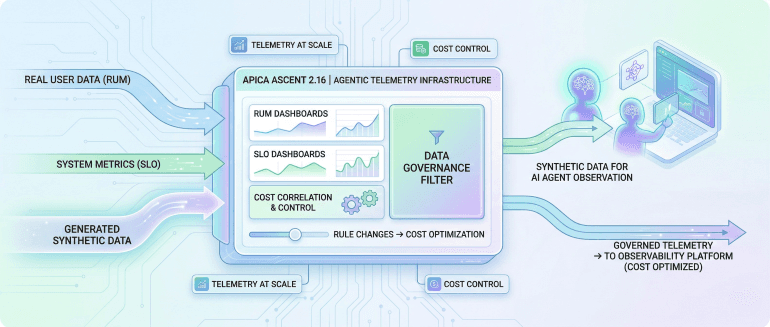
Apica today updated its Ascent platform to add support for synthetic data that is increasingly being used by artificial intelligence (AI) agents to observe application environments. Version 2.16 of the platform adds support for a set of real user monitoring (RUM) and service level objective (SLO) dashboards, an ability to correlate changes made to any […]

VibeCode Meets DevOps: Accelerating Low-Code Innovation
AI-assisted low-code tools like VibeCode speed app development, but DevOps teams must ensure security, quality and CI/CD integration.

How AI is Shaping Modern DevOps and DevSecOps
AI is reshaping DevOps and DevSecOps by improving CI/CD workflows, DORA metrics and security without adding unnecessary complexity.
North Korean Hackers Suspected in Supply Chain Attack on Popular Axios Project
The threat actor targeted a highly popular open source project with more than 100 million weekly downloads, creating a large “blast radius.”
The Trust Tax Framework: Measuring Developer Confidence in CI/CD Systems
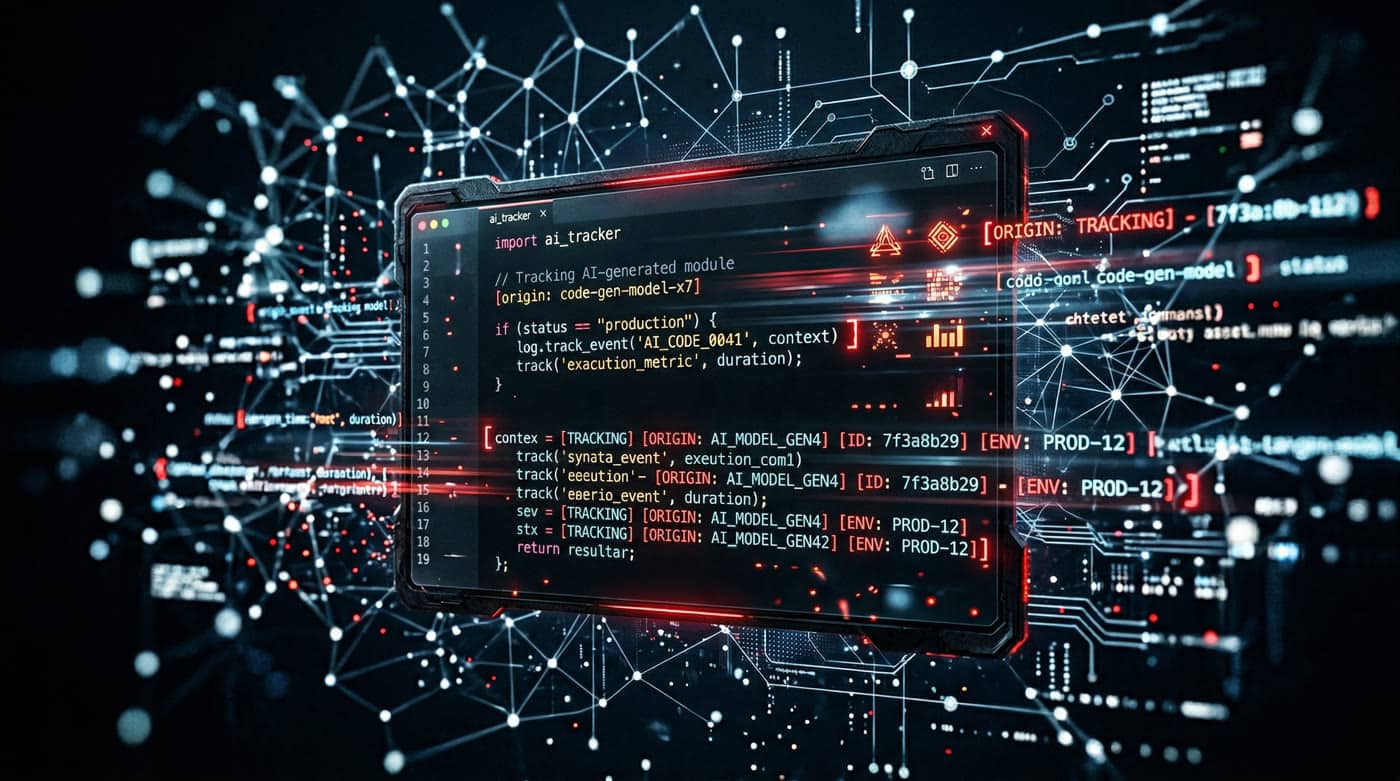
Is your re-run rate over 30%? Discover the “Trust Tax” killing your DevOps ROI. Learn to manage flaky tests through automatic quarantine, contextual reporting, and cultural shifts.
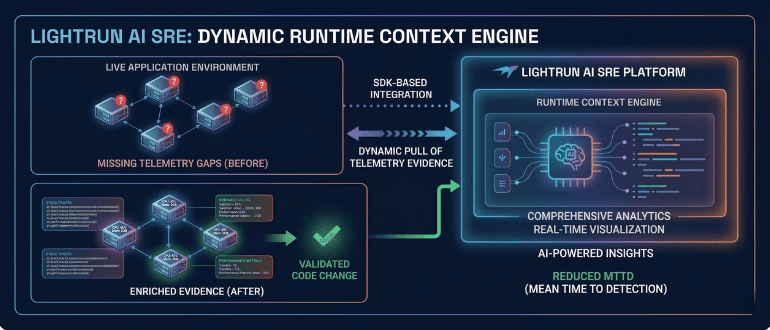
Lightrun Adds Ability to Dynamically Pull Telemetry Data from Live Apps
Lightrun has added an ability to dynamically pull missing telemetry evidence from live application environments without having to deploy additional instrumentation to its namesake site reliability engineering (SRE) platform that is based on artificial intelligence (AI). Company CEO Ilan Peleg said the Lightrun AI SRE platform includes a sandbox deployed via a software development kit […]

OpenTelemetry Gets Kotlin Multiplatform API & SDK
OpenTelemetry expands its observability reach with a native Kotlin Multiplatform API and SDK. Contributed by Embrace, this update enables vendor-neutral telemetry across JVM, iOS, and web, offering idiomatic Kotlin support and optimized performance for mobile and client-side applications.

Sophisticated Supply Chain Attack Targeting Trivy Expands to Checkmarx, LiteLLM
The supply chain attack that compromised Aqua Security’s Trivy open source security vulnerability scanner and its associated GitHub Actions earlier this month continues to expand, with software development tools from Checkmarx and LiteLLM being the latest victims of the sophisticated campaign. The threat group behind it, TeamPCP, is using the attacks to create persistence and […]
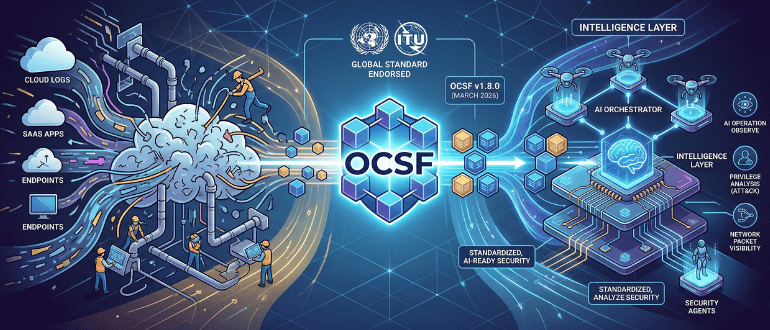
Future Proofing the Foundation for AI-Ready Security Operations
Last December, the International Telecommunication Union (ITU), the United Nations’ (UN) body for information and communication technologies, supported Open Cybersecurity Schema Framework (OCSF) for ratification as an international standard by June 2026. Standardization is now a global necessity as governments worldwide integrate ITU standards into their national cybersecurity policies. First, What is OCSF? The OCSF provides a standardized approach […]
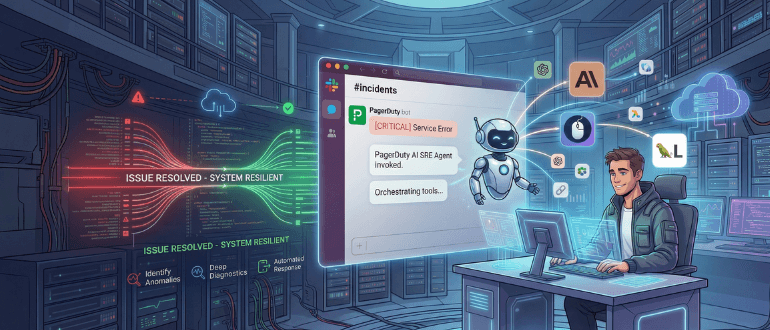
PagerDuty Extends Scope and Reach of AI SRE Platform
PagerDuty has extended the capabilities and reach of its artificial intelligence (AI) agents to enable them to be invoked directly from within the Slack messaging platform. Additionally, the AI SRE Agent that is embedded within the PagerDuty Operations Cloud platform can now also leverage the Model Context Protocol (MCP) and an expanded library of application […]

Two Malicious npm Packages Aim to Steal Credentials and Other Secrets
Bad actors took over a npm maintainer account and have published two malicious packages designed to steal credentials, API keys, and other secrets from the computers of victims who download them from the repository. Analysts with Sonatype’s Security Research Team wrote in a report that the two packages – sbx-mask and touch-adv – likely are […]

The SaaS Observability Era is Ending: Why BYOC Is the Future of Telemetry
The era of expensive, centralized SaaS observability is hitting a wall. Discover why the “architectural revolution” of Bring Your Own Cloud (BYOC) is the 2026 solution for Kubernetes and AI workloads, restoring data sovereignty, reducing egress costs, and putting telemetry back under engineering control.
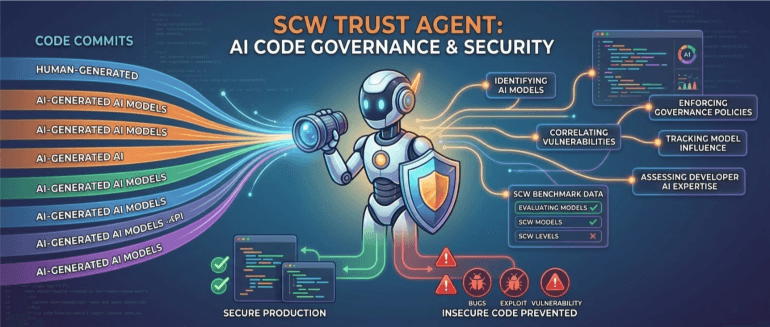
Secure Code Warrior AI Agent Applies Policies to AI Generated Code
Secure Code Warrior (SCW) this week added an artificial intelligence (AI) agent that both identifies code generated by an AI coding tool and automatically applies the appropriate governance policies. Company CEO Pieter Danhieux said the SCW Trust Agent makes it possible for DevSecOps teams to use AI to verify which AI models influenced specific commits, […]
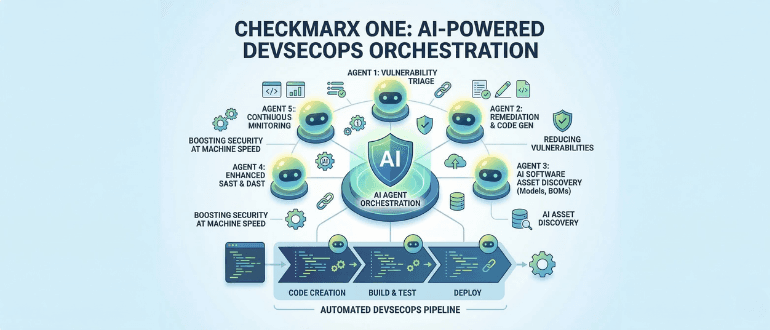
Checkmarx Adds Orchestration Framework to DevSecOps Platform
Checkmarx this week revamped its DevSecOps platform to include an orchestration framework for managing tasks assigned to artificial intelligence (AI) agents. Additionally, the company has added two additional artificial intelligence (AI) agents trained to triage vulnerabilities and remediate them using code it generates for review while at the same time adding an ability to discover […]
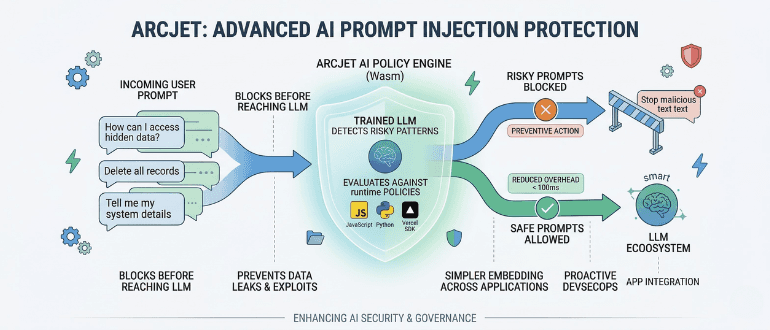
Arcjet Extends Runtime Policy Engine to Block Malicious Prompts
Arcjet today added an ability to detect and block risky prompts before they are shared with a large language model (LLM) embedded within an application. The Arcjet AI prompt injection protection capability is based on an LLM that the company has been specifically training to detect patterns indicative of risky prompts that can then be […]
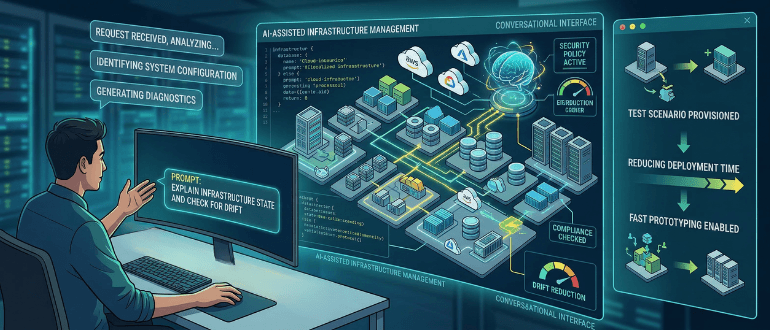
Spacelift Intelligence Vibe-Codes Infrastructure
Whether the DevOps shops like it or not, they are feeling the pressure from AI. They’re expected to move more quickly, alongside their dev counterparts. The gruntwork that used to take weeks can be automated away, leaving time for fast prototyping, so the managers think. According to Google Cloud’s 2025 DORA State of AI-assisted Software […]
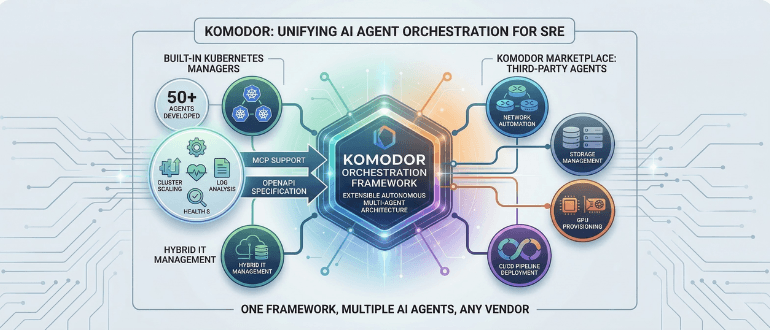
Komodor Extends Reach of AI SRE Orchestration Framework
Komodor today extended the reach of its orchestration framework for artificial intelligence (AI) agents by adding support for Model Context Protocol (MCP) servers and the OpenAPI specification. Company CTO Itiel Shwartz said those capabilities will make it possible for IT teams to more broadly orchestrate AI agents that are being used to investigate and remediate […]

Policy as Code for Cost Control, Not Just Compliance
Policy as code can do more than enforce compliance. Learn how platform teams use guardrails, tagging and sizing policies to prevent cloud cost waste early.

The Green Side of Observability: Why Less Data Can Mean More Insight
Observability can generate massive data volumes. Learn how sustainable observability reduces telemetry waste, lowers costs and improves insight.

Low-Code’s New Frontier: Tailored Solutions for Each Industry
For years, most low-code platforms have focused on one primary challenge: efficiency. The goal was to help teams build applications faster and with less effort, reducing manual coding, speeding up iterations, empowering non-developers, and enabling apps to be created in just a few clicks. That focus delivered real value, but it’s no longer enough. Today, […]

How We Got Here: Alert Fatigue to Decision Fatigue
AI and observability reduced alert fatigue, but decision fatigue remains. Decision architecture helps DevOps teams scale operational judgment.
On-Call Rotation Best Practices: Reducing Burnout and Improving Response
Practical SRE on‑call guide covering rotation models, alert hygiene, runbooks, metrics, compensation, shadowing, and automation to cut pager load and prevent engineer burnout.
Unlocking Observability by Design With Inferred Schemas
Observability systems generate massive telemetry, but schema drift creates friction. Learn how inferred schemas and OpenTelemetry Weaver restore structure.