

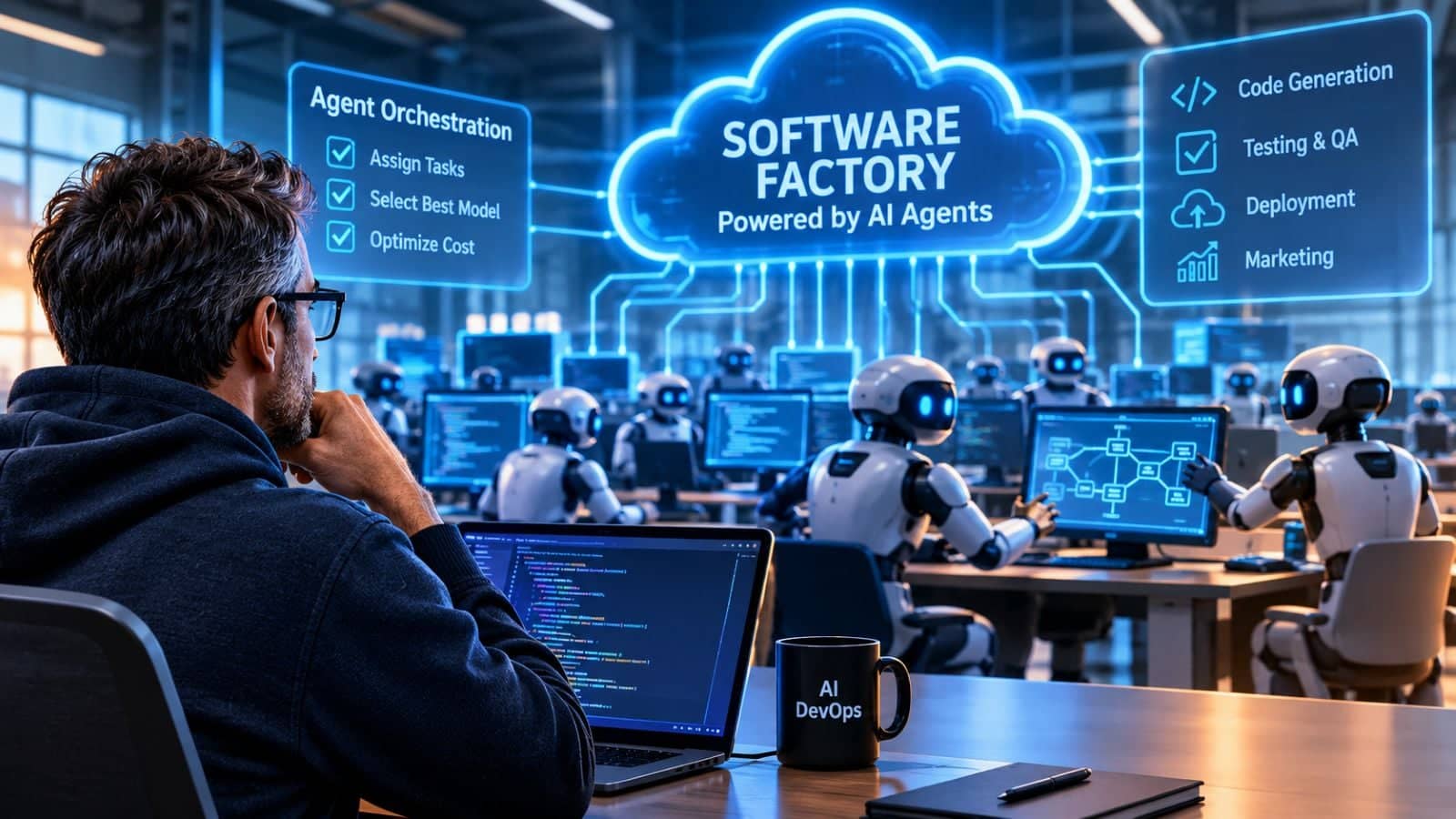
Gas Town Builder: All AI Software Factories Are Bespoke
Gas Town creator Steve Yegge warns that AI-powered software factories are inherently bespoke and require ongoing human supervision. As autonomous agents take on more development tasks, DevOps teams must evolve into leaders capable of managing AI behavior, resolving conflicts and guiding software innovation.
GitLab Bets Context, Not Bigger Models, Will Fix AI Agent Costs
GitLab has launched Orbit, a context graph designed to give AI coding agents a more complete view of the software development lifecycle. With claims of up to 45x fewer hallucinations and 4.5x fewer tokens, GitLab is betting that better context, rather than bigger models, is the key to more reliable agentic development.

AI Coding Assistants’ Built-In Browsers Open a Path to Developer Secrets
Security researchers uncovered a class of embedded-browser vulnerabilities affecting five popular AI coding tools, including Cursor, Copilot, Codex, VS Code and Claude Desktop. The findings reveal how malicious pages can exploit trusted AI workflows to steal credentials, access local files and even persuade agents to disable their own safeguards.

DeepSeek Wants Coding Agents to Stop Waiting for Instructions
DeepSeek’s open-source Super-Agent prototype replaces isolated coding sessions with an always-on system that coordinates multiple AI workers, responds to development events and can initiate bug fixes without direct prompting. For DevOps teams, the promise of autonomous development brings new challenges around permissions, pipeline security, observability and code verification.

IBM Extends Scope and Reach of DevSecOps Workflows in the AI Era
IBM is expanding its Terraform infrastructure-as-code platform and Bob AI coding assistant with new policy-as-code capabilities, automated vulnerability remediation and AI governance integrations. Announced at IBM TechXchange 2026, the updates aim to help DevSecOps teams securely manage infrastructure and accelerate software delivery as AI agents become more deeply embedded in development workflows.
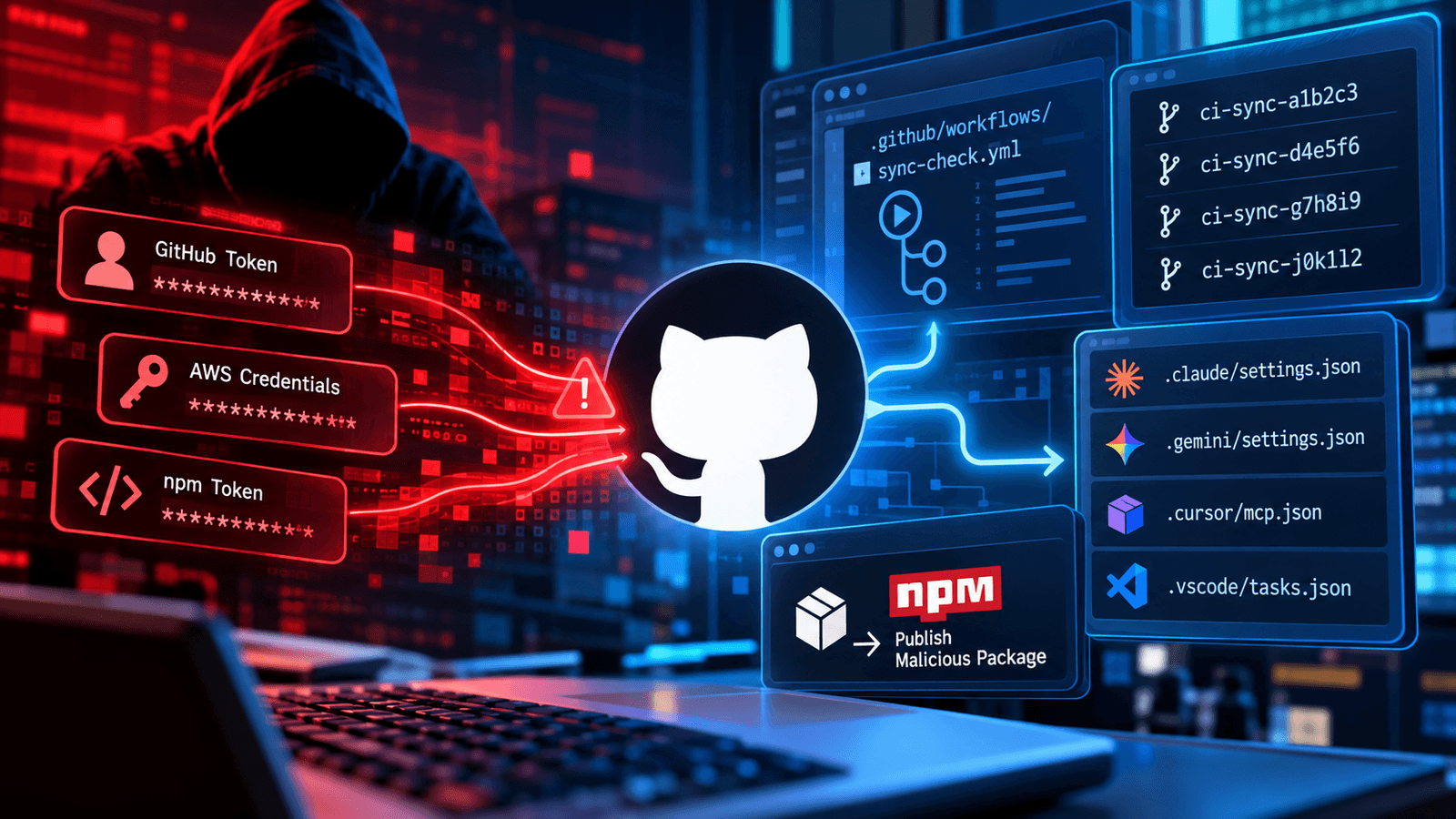
Two GitHub Campaigns, One Weak Point: Stolen Developer Credentials
Two separate GitHub attack campaigns, Gheist and Testmetest, exploited stolen developer credentials to steal secrets, compromise workflows and target software supply chains. The attacks reveal dangerous blind spots in GitHub Actions security, repository scanning and AI coding assistant configurations.

Mistral Lays Claim to AI Coding Crown
Mistral has released the weights for its 1-trillion-parameter Mistral Large 4 model, delivering significant improvements in agentic coding and vulnerability discovery. With competitive benchmark results, lower token consumption and flexible deployment options, the French AI developer is making a stronger case for open-weight models as DevOps teams confront rising AI development costs.

Gheist Hackers Abuse GitHub Tokens to Steal Repository Secrets
The evolving Gheist campaign uses stolen GitHub tokens and malicious Actions workflows to extract repository secrets and cloud credentials. While GitHub protections have blocked observed attacks on public repositories, private environments remain exposed.

Reddit’s r/opensource AI Ban Targets the Wrong Problem
Reddit’s largest open-source community is cracking down on AI-generated projects, prompting criticism over sweeping restrictions that could exclude legitimate developers. As Linux takes a different approach, DevOps teams face a more important question: How can they enforce code quality and accountability without banning the tools developers use?

Recursive Flint Puts a Fast Agentic Coding Model on Developers’ Laptops
Recursive has unveiled Flint, a 40-billion-parameter, open-weight coding model designed to run locally on developer hardware. Built with help from the company’s Eureka Machine research system, Flint promises faster inference, greater source-code privacy and freedom from per-token API fees. For DevOps teams, the launch raises fresh questions about AI agent governance, code quality and continuous model evaluation.

Report: AI Agents Increase Observability Costs
Cisco has released its Splunk State of Observability 2026 report, revealing that companies face growing costs and operational challenges as they deploy AI agents without sufficient monitoring capabilities. The report found that 57% of organizations spend more on telemetry, the data used to monitor IT systems, than on the infrastructure being monitored. Additionally, 55% of […]

Hackers Inject Credential-Stealer, RAT Into LiteLLM
Attackers compromised a version of LiteLLM this week by injecting malicious code into all seven of its published Python wheels on PyPI, delivering a package that included an infostealer to exfiltrate credentials and secrets and a remote access trojan (RAT) that could let bad actors run arbitrary code on infected machines. The compromised version – […]
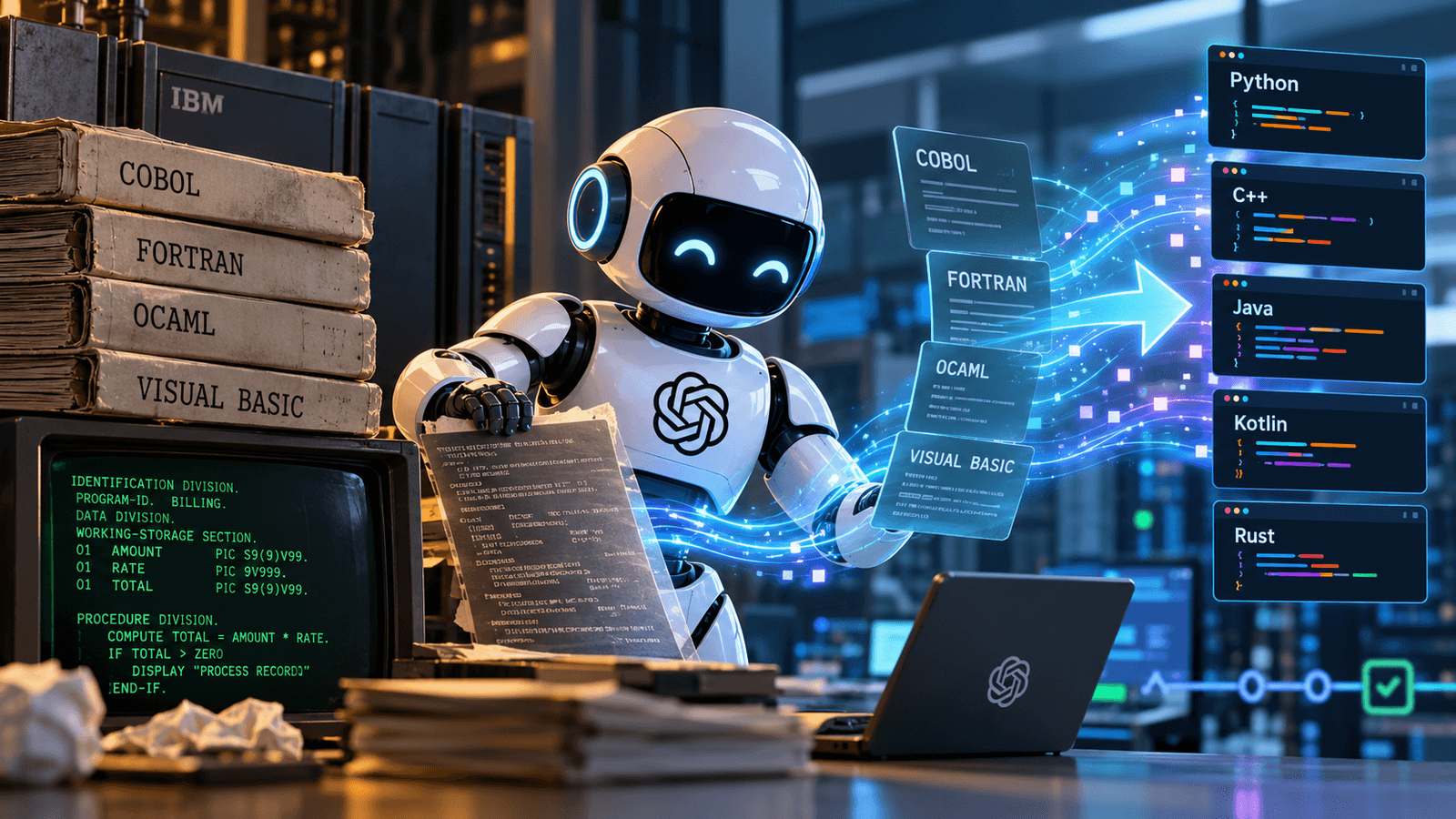
OpenAI Puts COBOL Migration to the Test, and Its Newest Models Mostly Pass
OpenAI’s latest coding benchmarks show substantial improvements in handling COBOL, Fortran and other low-resource languages. But for DevOps teams modernizing legacy applications, translating code is only half the challenge. The real test is preserving business logic, arithmetic precision and production behavior.
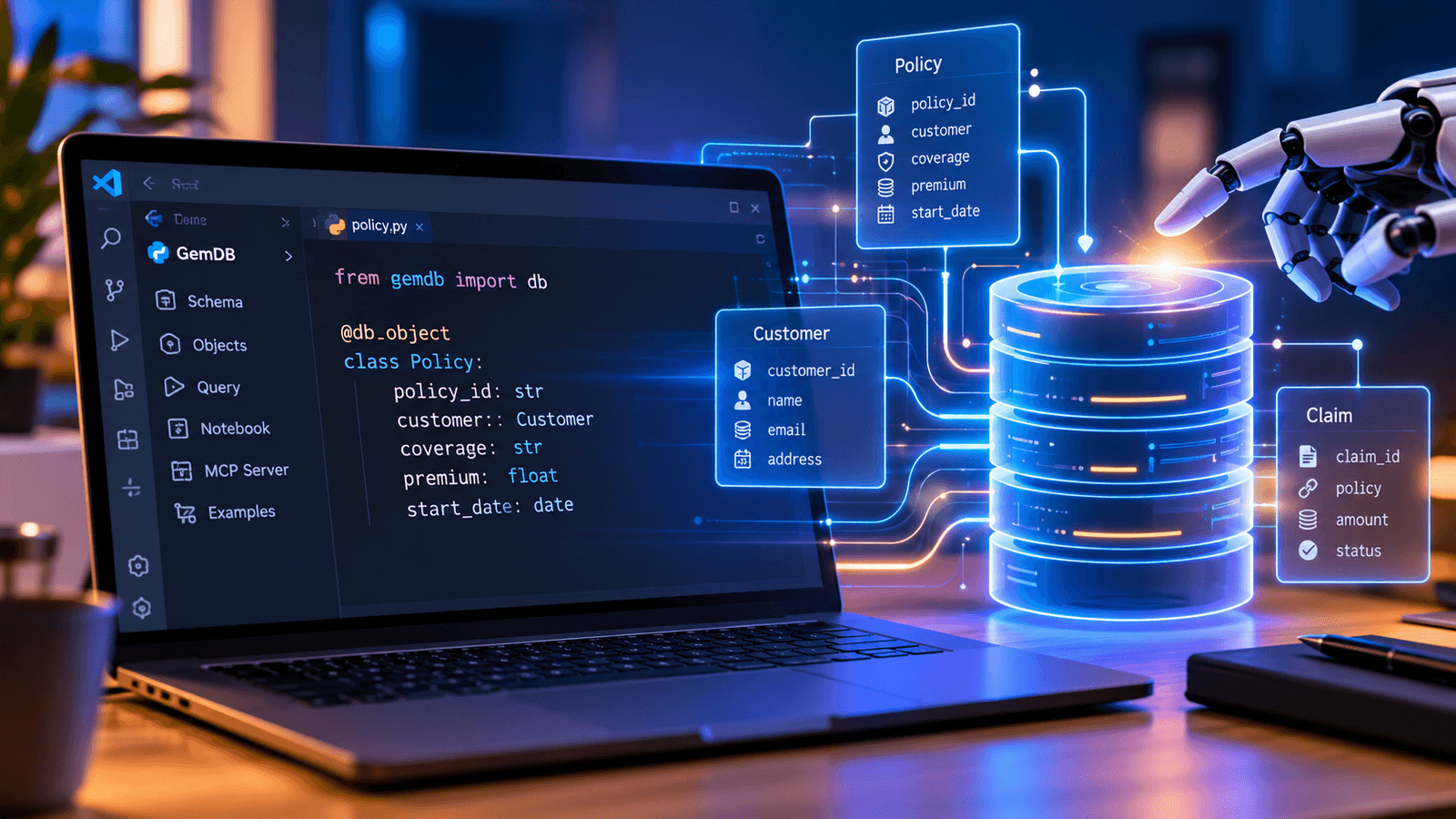
GemDB Extension Uses Code to Update Database
GemDB has introduced a Visual Studio Code extension that enables developers and AI coding agents to create, modify and persist database objects directly through Python code. With integrated Jupyter Notebook and MCP support, GemDB Code aims to eliminate traditional schema migrations, simplify database management and accelerate DevOps workflows.
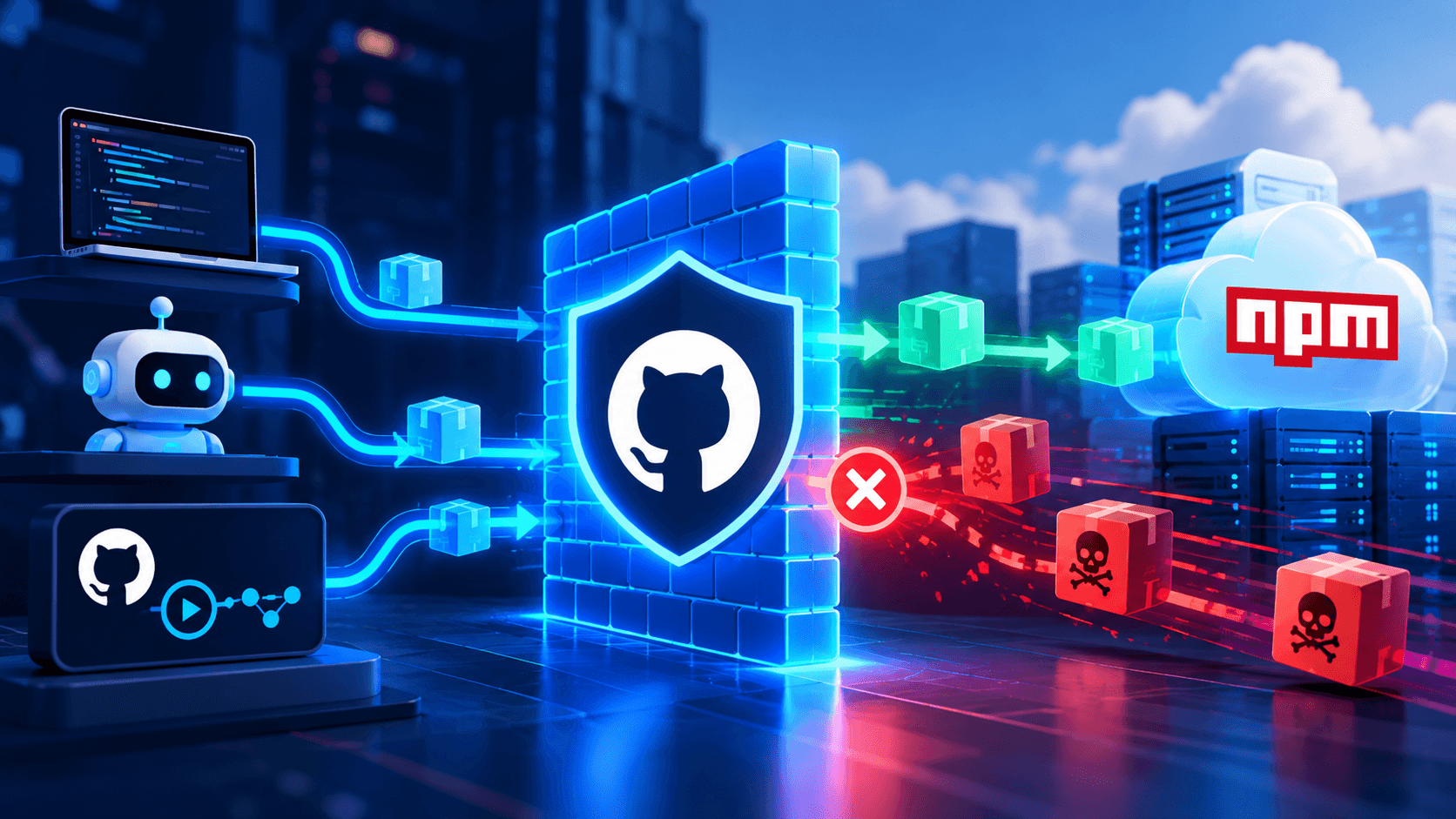
GitHub Puts a Firewall Between npm and Your CI Runners
GitHub’s new package firewall puts enterprise security policies between npm registries and the developers, CI runners and AI coding agents consuming packages. With malware detection, attestation checks and package-age restrictions, it aims to stop malicious dependencies before installation.
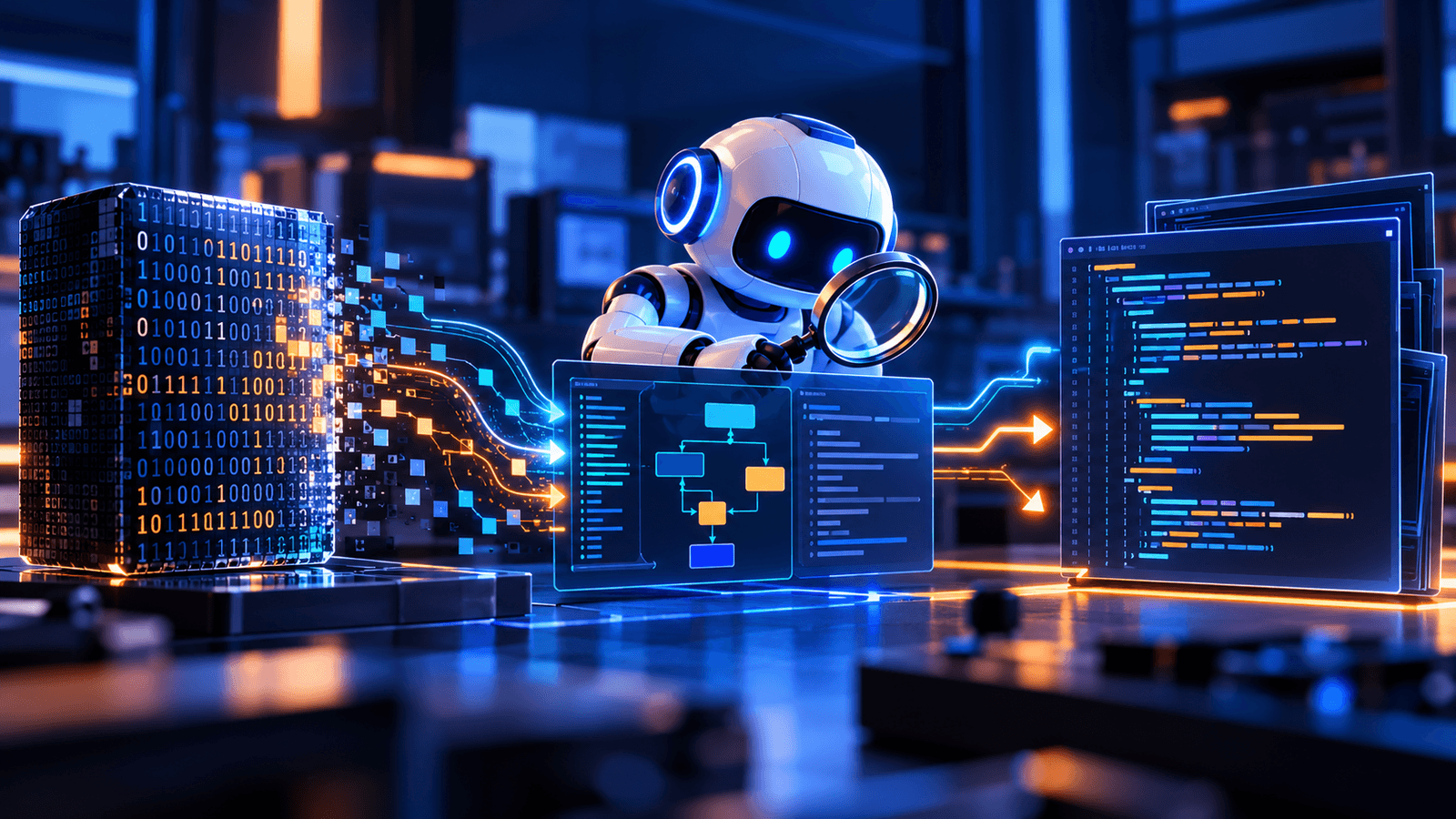
AI Agents Can Now Take Software Apart. DevOps Teams Need a Plan
AI-powered reverse engineering is making it easier to understand and rebuild software without source code. Tools such as REA and increasingly capable AI models create opportunities for legacy modernization while raising fresh concerns about intellectual property, application security and functional correctness.
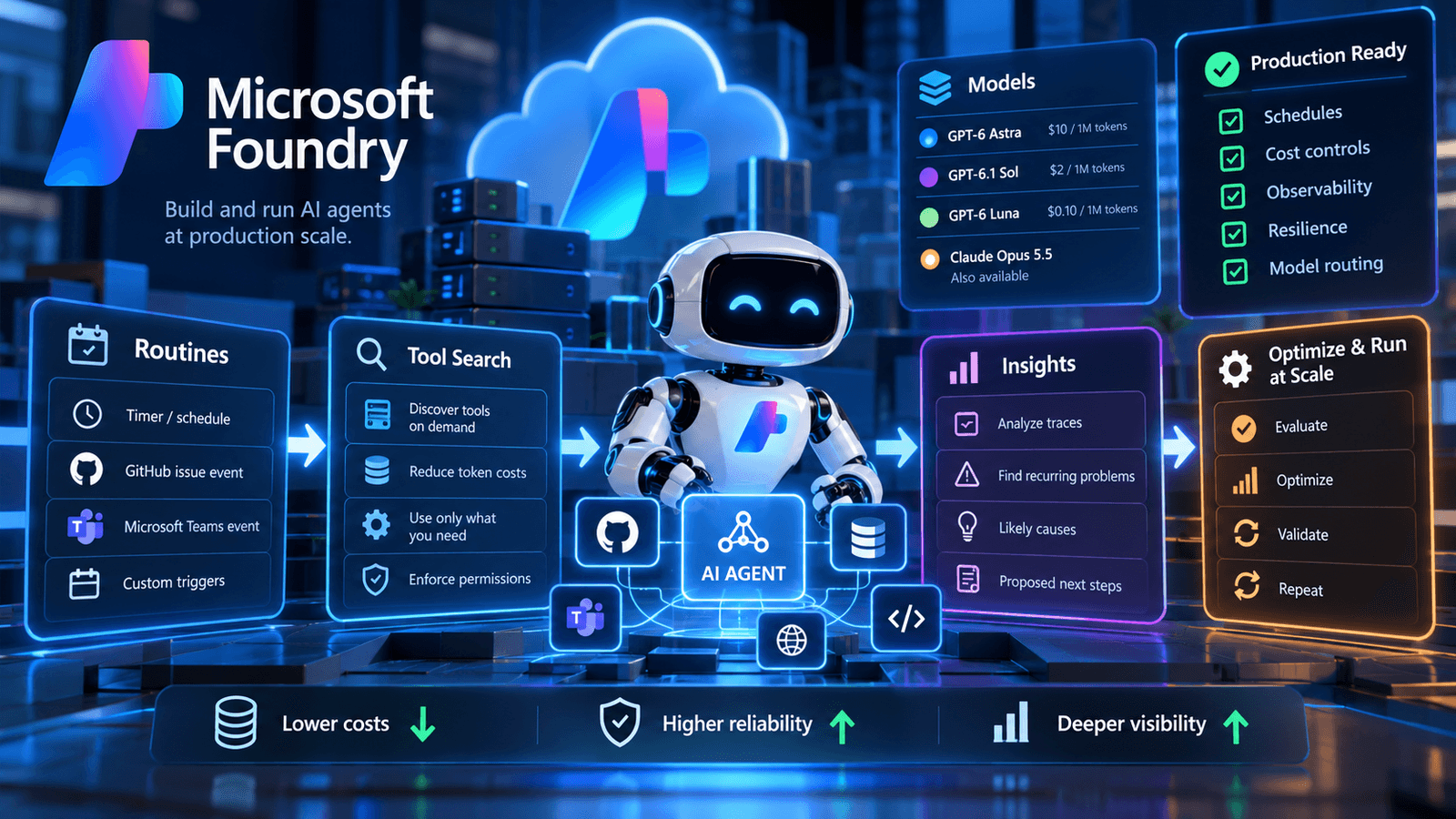
Microsoft Foundry Puts AI Agents on a Schedule and Under Watch
Microsoft’s September Foundry updates focus on making AI agents production-ready with automated routines, lower token costs, trace-based insights and improved resilience. For DevOps teams, the changes bring agent operations closer to familiar CI/CD and observability practices.
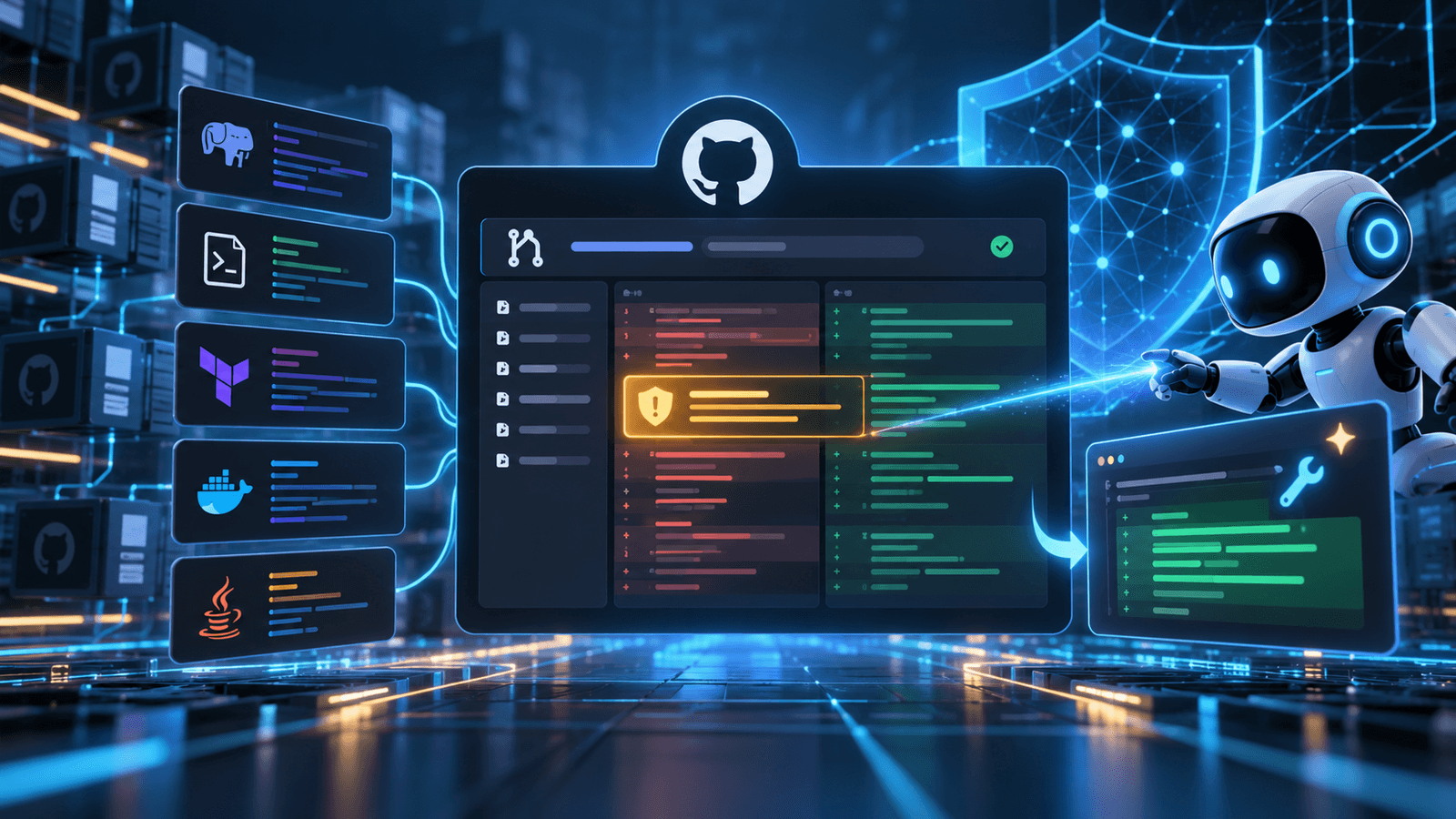
GitHub Brings AI Security Scanning to Pull Requests CodeQL Can’t Cover
GitHub’s AI Scan brings AI-powered vulnerability detection to pull requests involving languages, scripts and infrastructure files beyond CodeQL’s existing coverage. Paired with the general availability of agentic autofix, the release expands security automation across the development lifecycle. But advisory-only findings, coverage gaps and AI credit consumption mean DevOps teams still need clear review policies.
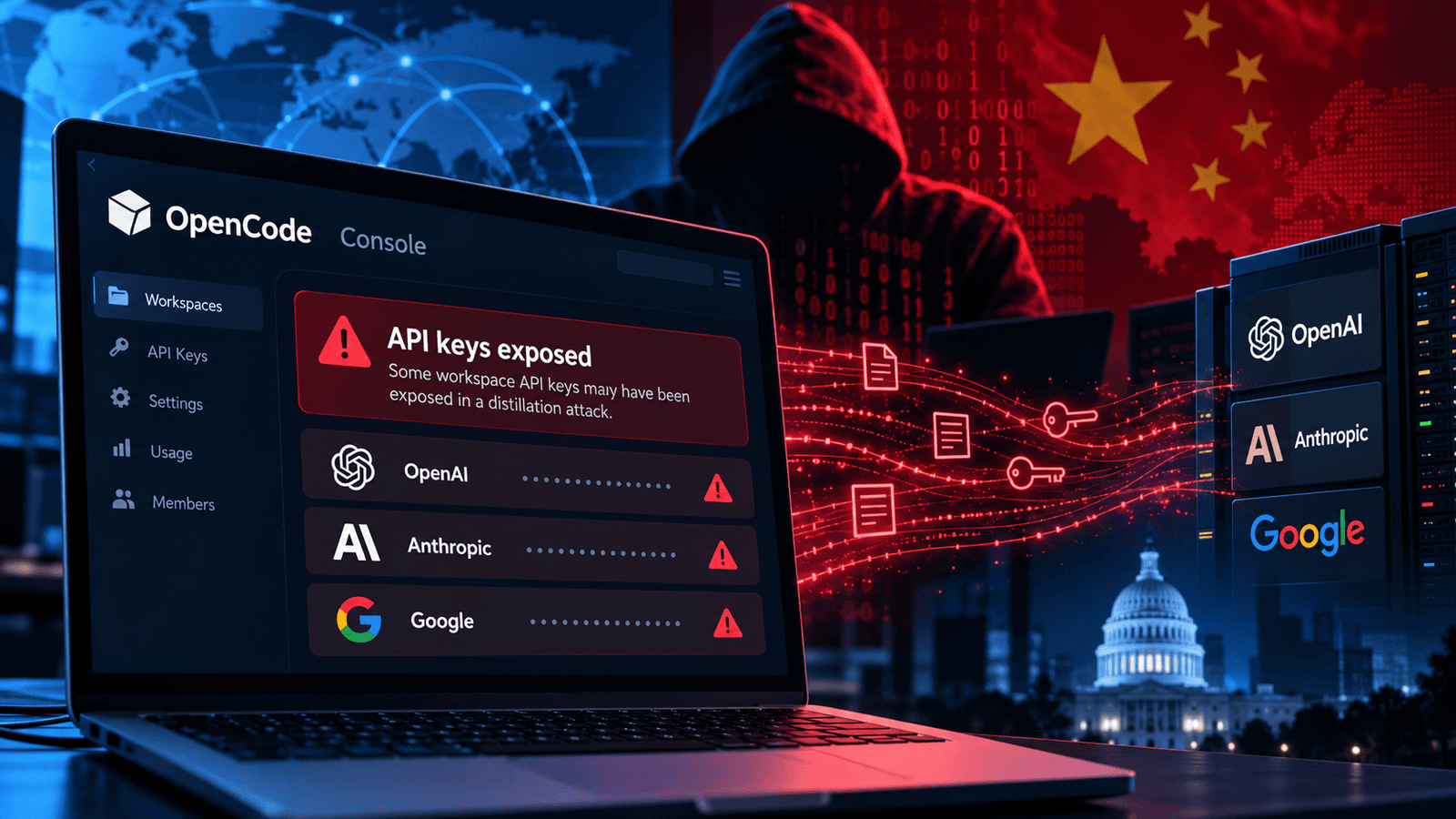
OpenCode Breach Puts Spotlight on AI Distillation Threats
An attack using the technique on the open source coding agent’s Console hub exposed third party API keys from OpenAI, Anthropic, and Google
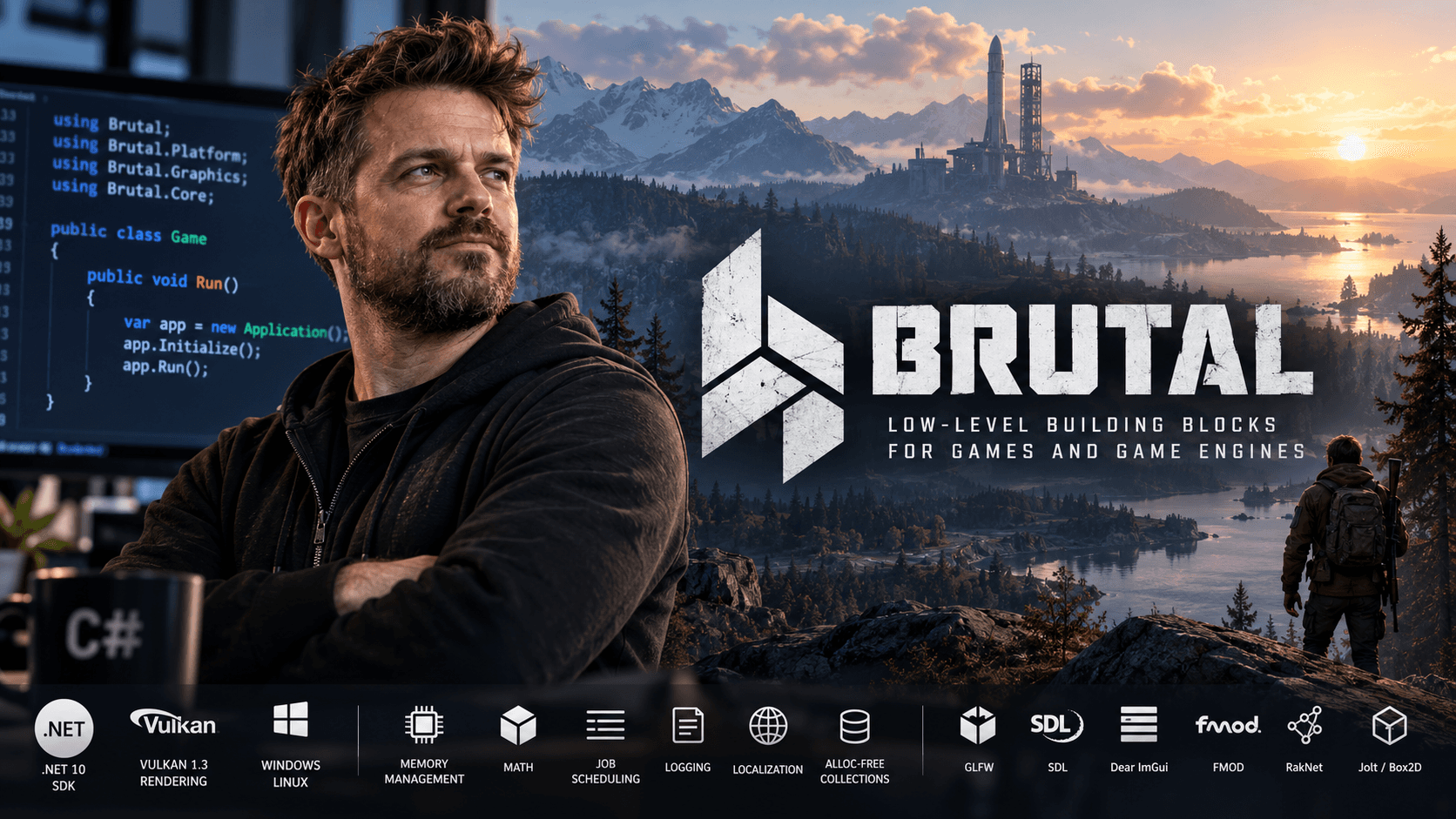
Dean Hall Open Sources Brutal to Give Game Studios a Way Out of Engine Lock-In
DayZ creator Dean Hall has unveiled Brutal, a free C# framework designed to give game developers greater control over their technology and reduce dependence on commercial engines. Already used in projects including RimWorld’s new engine, Brutal promises flexibility and performance while raising familiar questions about licensing, maintenance and open source sustainability.
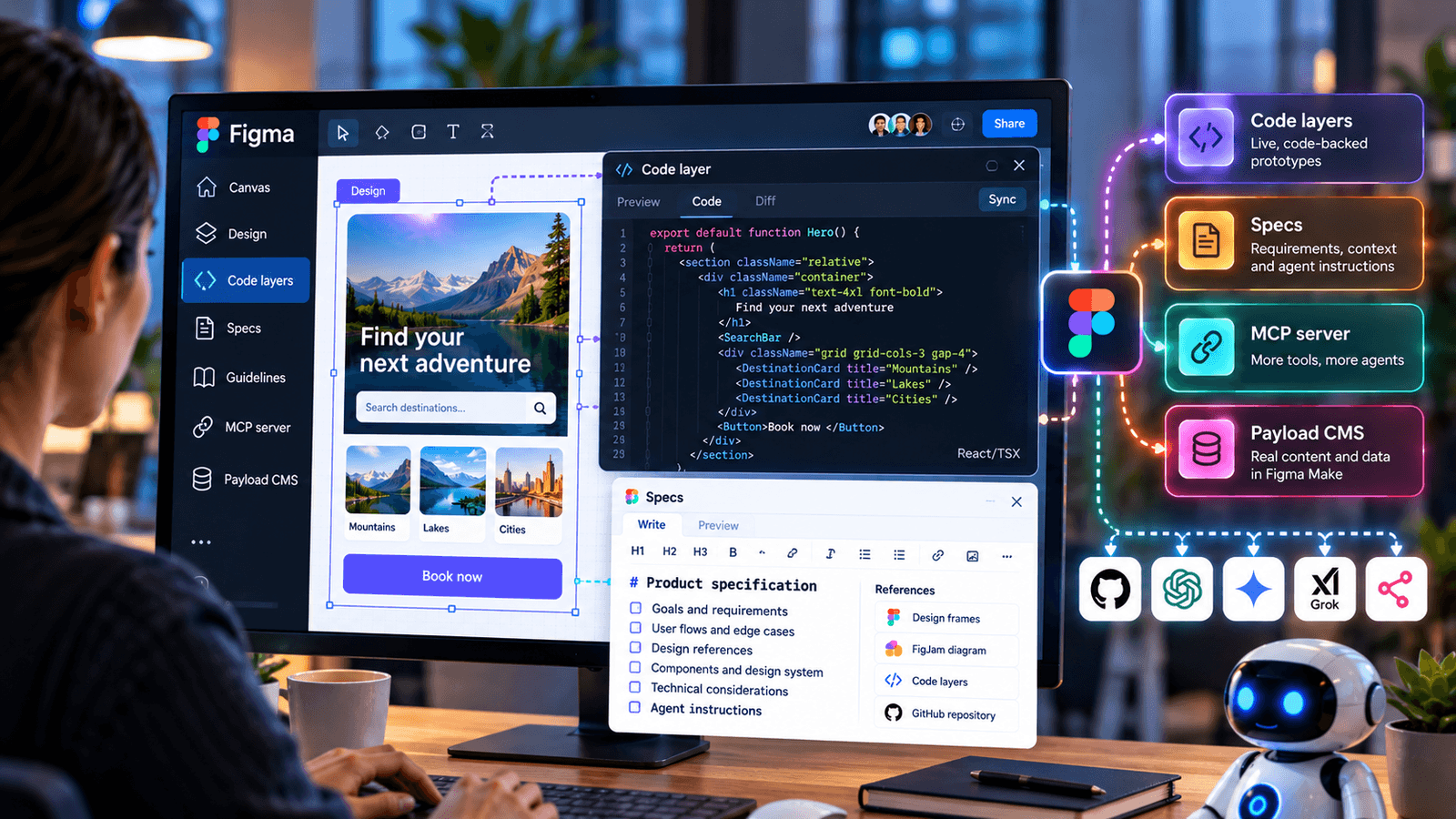
Figma Gives AI Agents a Spec Sheet and Developers a Shared Canvas
Figma introduces Specs, code layers and expanded MCP tools to connect AI agents, designers and developers while improving design-to-code workflows.

npm Puts a 48-Hour Clock on Unused Trusted Publishing Configurations
GitHub has added an expiration date to unused npm trusted publishing configurations. Any configuration that doesn’t complete a successful publish within 48 hours of creation now expires and can no longer authorize a release. It’s a small change. But it closes a gap that matters to anyone who publishes packages from a CI/CD pipeline. How […]
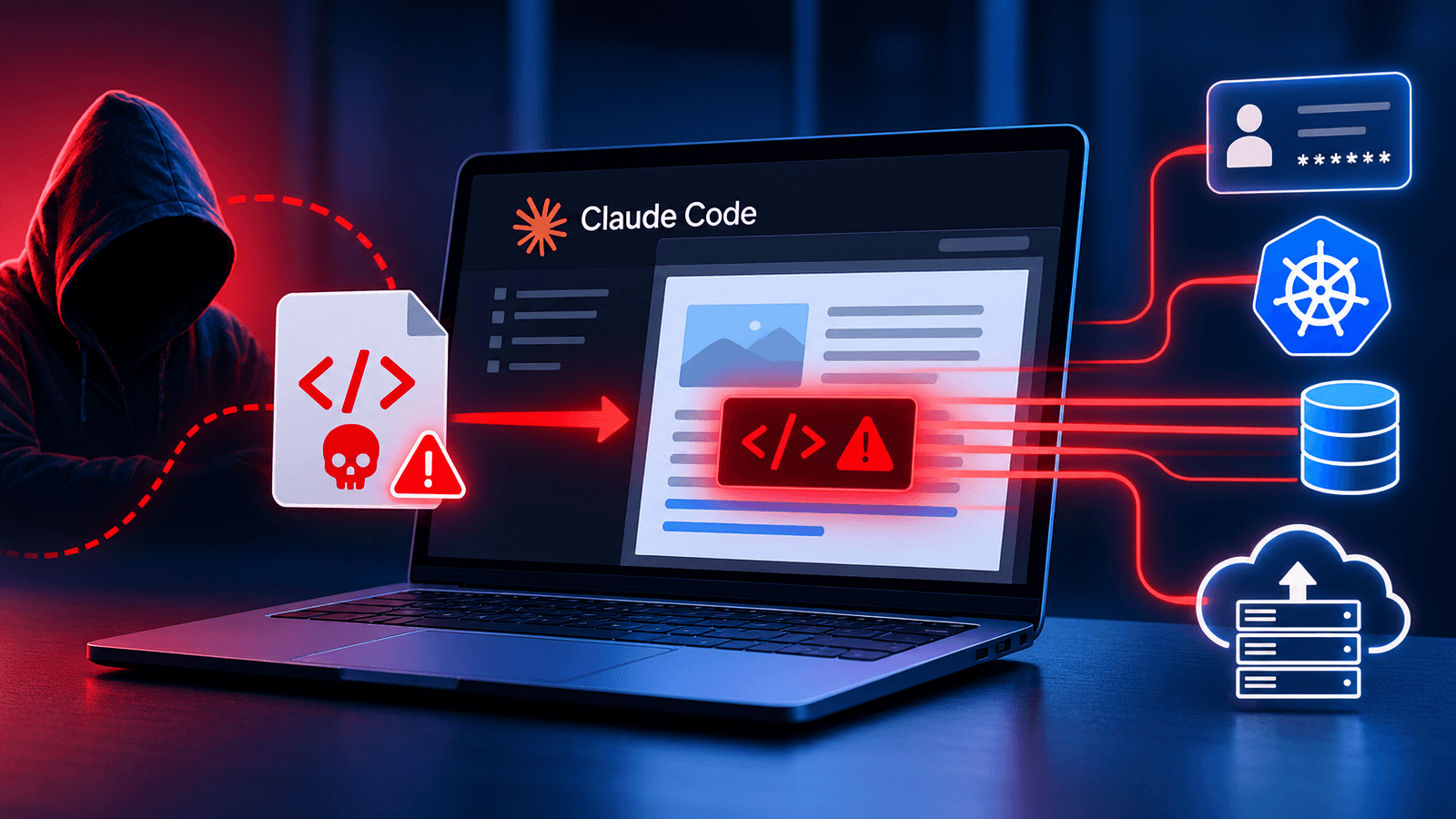
Noma Security Discloses Claude Code Desktop Exploit
Security researchers at Noma Security uncovered SneakPeek, a vulnerability in Anthropic’s Claude Code Desktop that allowed malicious JavaScript embedded in large HTML files to bypass sandbox protections and silently steal sensitive local data. The flaw exposed credentials, API tokens and Kubernetes configurations through the application’s preview pane. Although Anthropic has released a security update addressing the exploit, the discovery highlights growing software supply chain risks as AI coding tools become embedded in developer workflows without sufficient security oversight.