

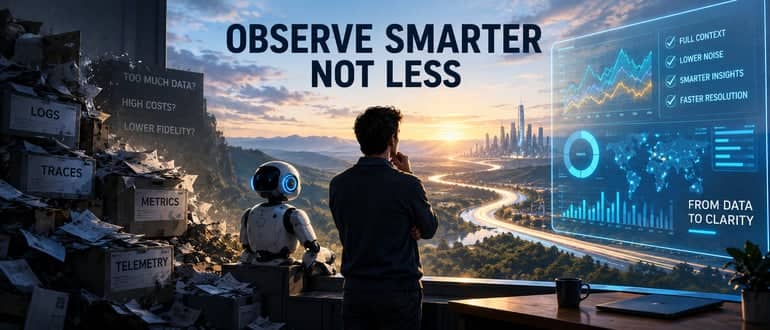
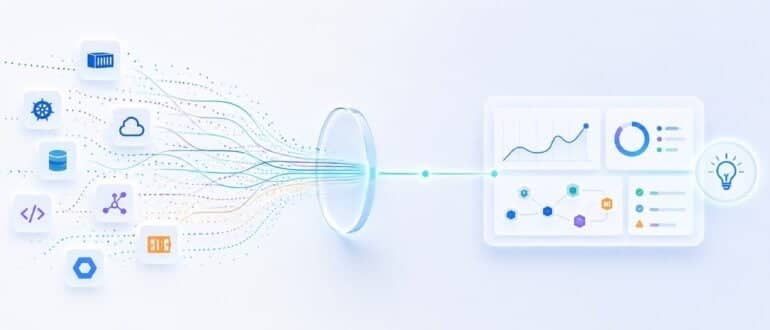
Observability 2.0: Why DevOps Teams Are Moving From Monitoring to Intelligent System Understanding
For a long time, monitoring just meant staring at dashboards and waiting for something to flash red. Engineers tracked things like CPU usage, memory, response times, error rates, and uptime. If a number crossed a certain line, you’d get an alert. Then, someone dived in to figure out what was wrong. That basic approach isn’t […]
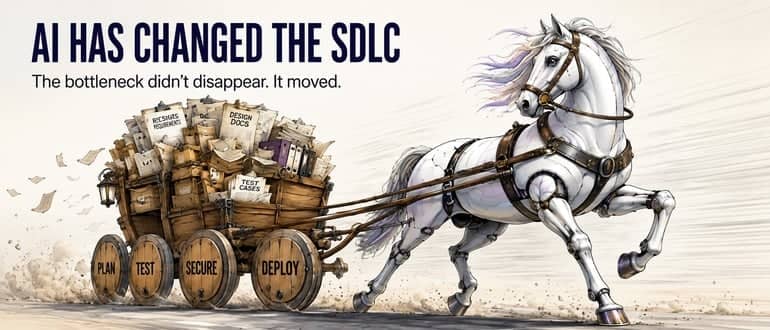
From the Horse’s Mouth: Anthropic Says AI Has Changed the SDLC
Anthropic’s AI-native SDLC playbook argues that faster coding is shifting the bottleneck to planning, testing, governance, deployment and operations.
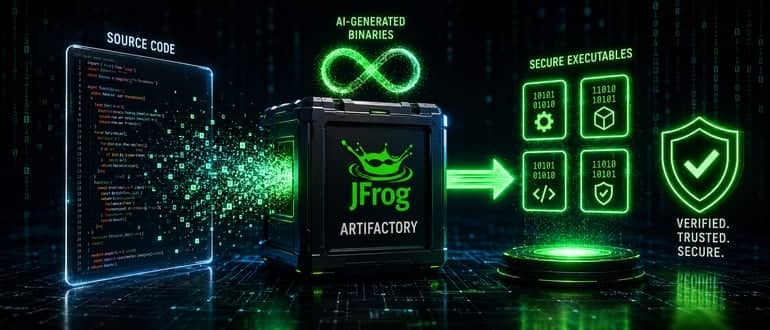
JFrog CEO: No One Cares About Source Code Anymore
JFrog CEO Shlomi Ben Haim told approximately 500 software engineers today that in the age of artificial intelligence (AI) no one will soon care much about source code anymore. Speaking at the company’s swampUP 2026 conference, Ben Haim said AI tools are now creating executable binaries directly without relying on source code that historically existed […]

GitOps in 2026: Why Pull Requests Are Taking Over Cloud Operations
For years, cloud infrastructure changes were mostly a mystery. An engineer would log into a dashboard, tweak a setting, run a few scripts, and that was it. Nobody worried until something broke. Suddenly, everyone wanted answers. Who changed this? Was it tested? Can we fix it? How did production end up out of sync with […]

CrowdStrike Moves to Secure Software Supply Chains at the Endpoint
CrowdStrike today at its Fal.con 2026 conference extended its reach into the realm of software supply chain security with the addition of an offering that blocks malicious open-source packages at the endpoint before their embedded code can run. Bartley Richardson, chief AI and autonomous systems officer for CrowdStrike, said Real-Time Supply Chain Attack Protection is […]

JFrog Moves to Secure Agentic Engineering Workflows
JFrog today at its swampUP 2026 conference added a zero touch remediation capability that ensures the most secure version of a binary is provided even when application developers request a version that has known vulnerabilities. Additionally, JFrog is adding tools and capabilities to secure artificial intelligence (AI) agents that have been embedded within a DevOps […]
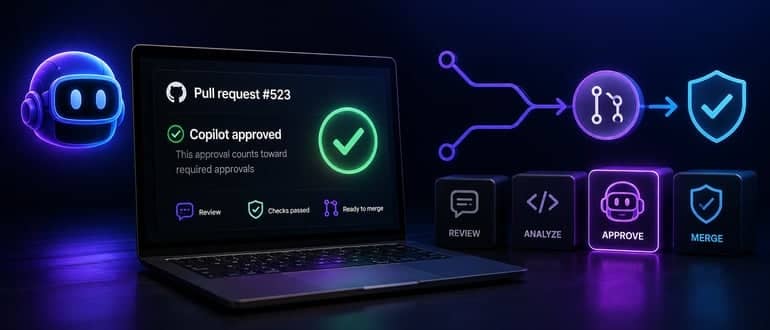
GitHub Puts Copilot in the Approval Seat for Pull Requests
GitHub Copilot can now submit binding pull request approvals, moving AI code review from advisory feedback into the merge decision itself.

Informing Stakeholders Isn’t the Same as Aligning Them
The first sign of trouble was a screenshot. We’d just switched on the A/B test via our feature management platform. Within the hour, a senior stakeholder landed in the variant feature flag, opened the app on their own phone, and sent us an image of it. The message, more or less: “Why is there a […]

Debian’s AI Vote Bets on Accountability Instead of a Ban
Debian’s new AI contribution policy avoids bans and mandatory disclosure, instead making developers responsible for reviewing AI-generated work and protecting sensitive data.

From Operator to Agent Manager: The Real Shift in Network Engineering
I’ve been saying for ten years that network automation was three years away from being the only way to do things. Every year I moved the goalposts, because the data never caught up to the rhetoric. After a decade of scripts, YAML, Ansible, Terraform, and every NetDevOps framework we could throw at the problem, roughly […]

Ten Great DevOps Job Opportunities
DevOps.com is now providing a weekly DevOps jobs report through which opportunities for DevOps professionals will be highlighted as part of an effort to better serve our audience. Our goal in these challenging economic times is to make it just that much easier for DevOps professionals to advance their careers. Of course, the pool of […]
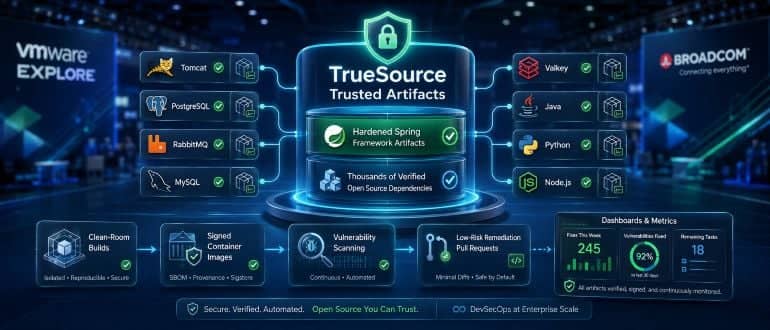
Broadcom Launches Trusted Artifact Service for Spring Framework
Broadcom launches TrueSource Trusted Artifacts to provide hardened Spring dependencies, secure open source packages and automated vulnerability remediation.
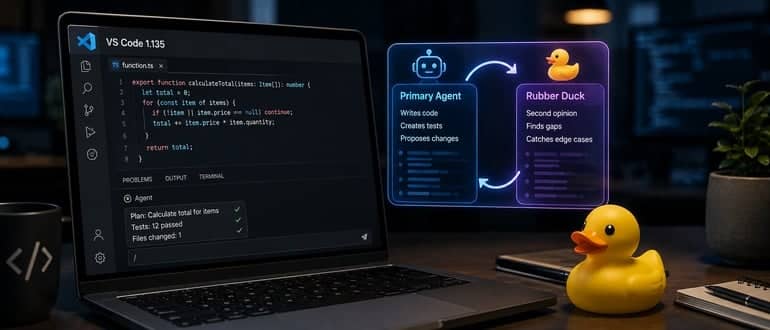
VS Code 1.135 Gives AI Coding Agents a Second Opinion
VS Code 1.135 adds Rubber Duck AI review, persistent agent sessions, Agent Host infrastructure and clearer token usage as Microsoft builds a more agentic IDE.

A Simple Website Summary Just Exposed the Limits of AI Coding Guardrails
Claude Code’s Auto Mode was bypassed in an attack chain that turned a routine webpage summary into remote code execution, highlighting the limits of AI agent guardrails.
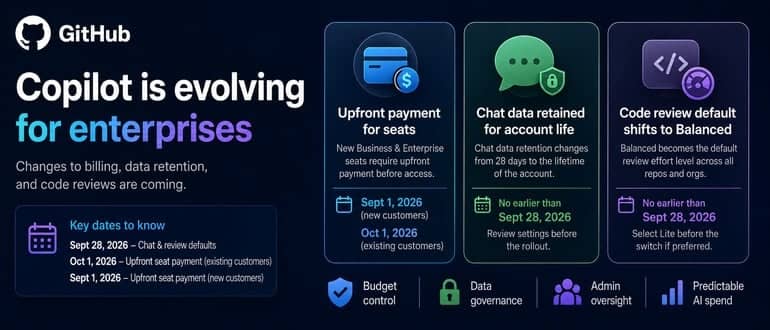
GitHub Tightens Copilot’s Billing and Governance Rules Ahead of a Busy Fall
GitHub Copilot is tightening enterprise controls with upfront seat billing, longer chat retention and a Balanced code review default.
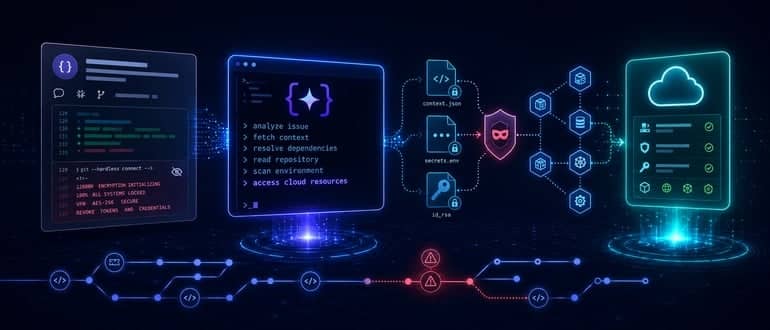
Cybersecurity Researchers Uncover Flaw in Google AI Coding Tool
Cybersecurity researchers from Pillar Security this week revealed how a prompt injection inserted into a GitHub repository was used to gain Editor-level access to an internal Google Cloud project using a flaw in the command line interface (CLI) of an artificial intelligence (AI) coding tool that Google provides. Dan Lisichkin, a cybersecurity researcher for Pillar […]
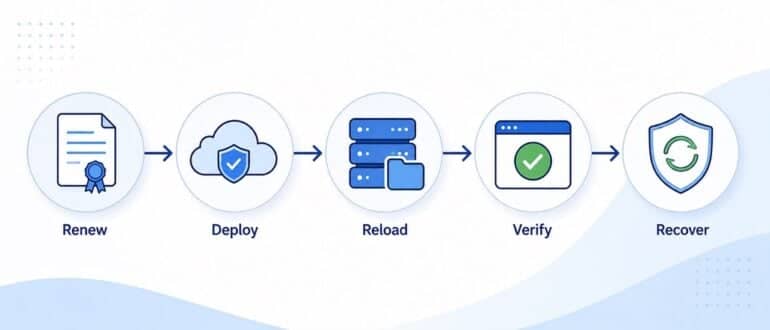
Certificate Renewal Is a Deployment Workflow, Not a Cron Job
Certificate renewal is often treated as a scheduled task: run an ACME client, obtain a new certificate, and move on. In practice, that view is too narrow for production systems. A certificate is not useful because it exists on disk. It is useful because the right service is presenting it to users. Between issuance and […]
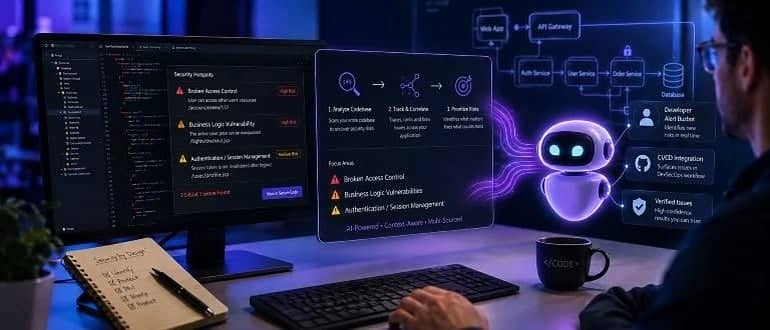
Sonar AI Agent Discovers Vulnerabilities Hidden in Business Logic Workflows
Sonar today made available an artificial intelligence (AI) agent designed to discover vulnerabilities and business logic flaws that pose the greatest risk to an organization should they be exploited. The SonarQube Hunter Agent first analyzes an entire codebase to find three categories of flaws: broken access control, business-logic vulnerabilities, and authentication or session-management issues. Satinder […]
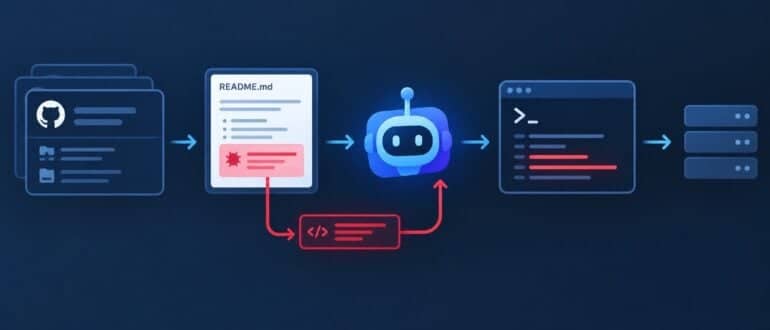
When AI Coding Agents Become Malware Delivery Systems
AI coding agents are becoming part of everyday development work. Developers use them to find libraries, configure projects, troubleshoot installation problems, and set up new tools. An agent can search GitHub, read project documentation, and run commands without the developer having to work through every step manually. That convenience is creating another security concern for […]
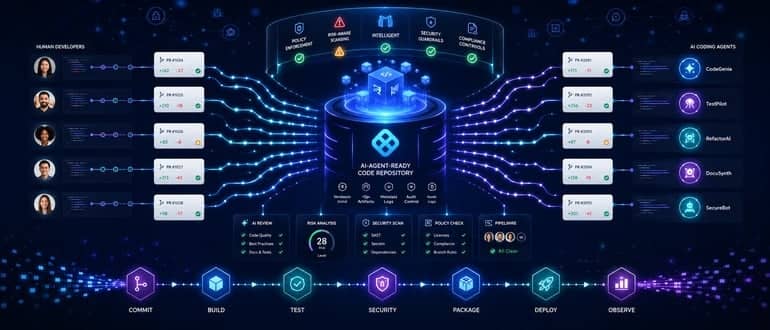
Harness Unfurls Source Code Repository Alternative to GitHub
Harness today launched a code repository service that is specifically designed for DevOps teams that are relying on artificial intelligence (AI) agents to generate code. Martin Reynolds, Field CTO for Harness, said the Agent-Ready Harness Code Repository and AI Code Review service provides an alternative to existing GitHub source code repositories that were not designed […]
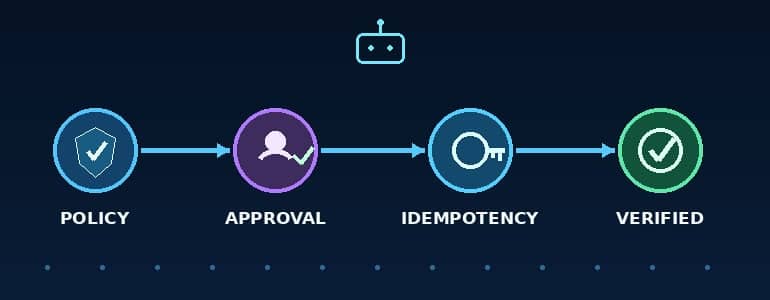
How to Build a Durable Change-Control Gate for AI Agents
AI agents that trigger real-world changes need more than confidence scores. A durable change-control gate should recheck policy, require approval for consequential actions, enforce idempotency and verify the result before retrying.
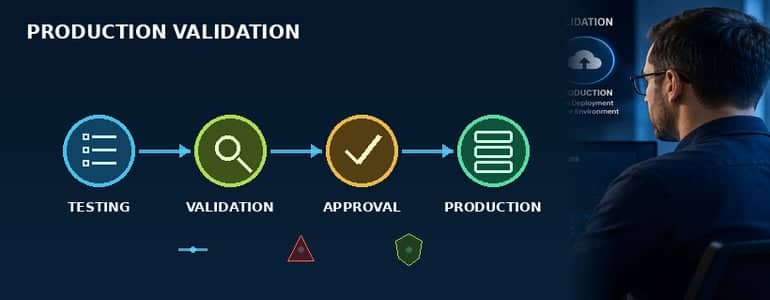
Production Validation: The Missing Layer in Enterprise Releases
Production validation adds a critical business-control layer between testing and deployment, combining data checks, exception review, approvals, reconciliation and operational readiness before a release reaches production.
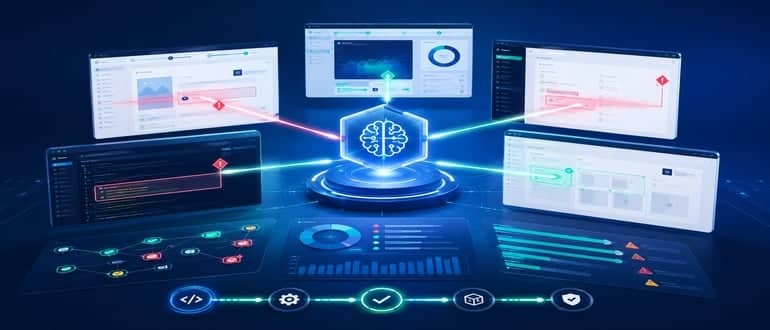
Tricentis Preps Wave of Additional AI Testing Capabilities
Tricentis is providing early access to multiple artificial intelligence (AI) capabilities that it is gearing up to roll out later this year via a Tricentis Transform initiative, including an autonomous AI agent, dubbed Aida, that explores web and Windows desktop applications to surface defects, weaknesses and other potential gaps without requiring DevSecOps teams to create […]