

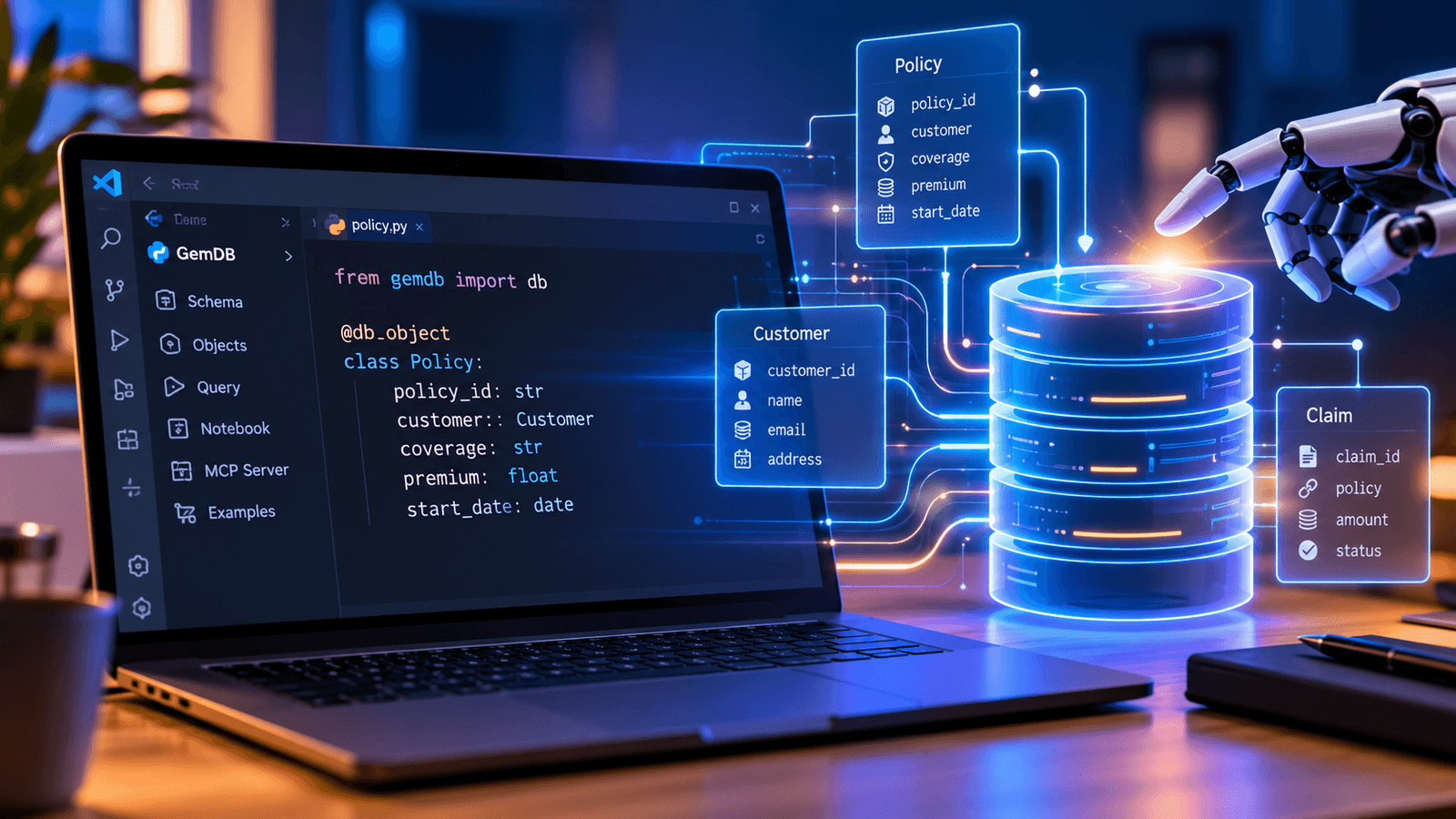
GemDB Extension Uses Code to Update Database
GemDB has introduced a Visual Studio Code extension that enables developers and AI coding agents to create, modify and persist database objects directly through Python code. With integrated Jupyter Notebook and MCP support, GemDB Code aims to eliminate traditional schema migrations, simplify database management and accelerate DevOps workflows.

Coding Agents Moved the Bottleneck From Writing to Reviewing PRs
AI coding agents are generating more pull requests than developers can review. Learn why review bottlenecks create quality debt and how DevOps teams can respond.
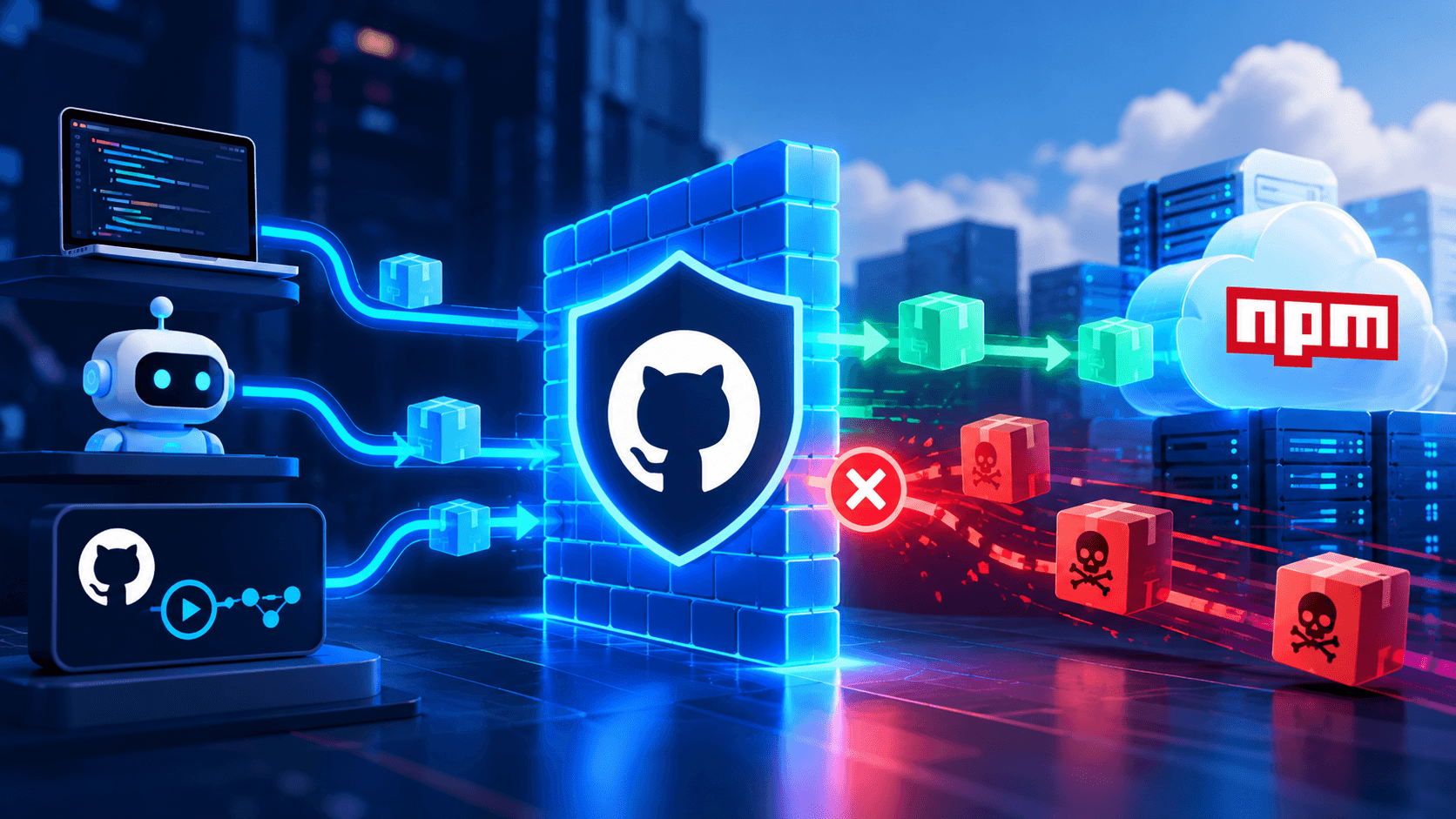
GitHub Puts a Firewall Between npm and Your CI Runners
GitHub’s new package firewall puts enterprise security policies between npm registries and the developers, CI runners and AI coding agents consuming packages. With malware detection, attestation checks and package-age restrictions, it aims to stop malicious dependencies before installation.
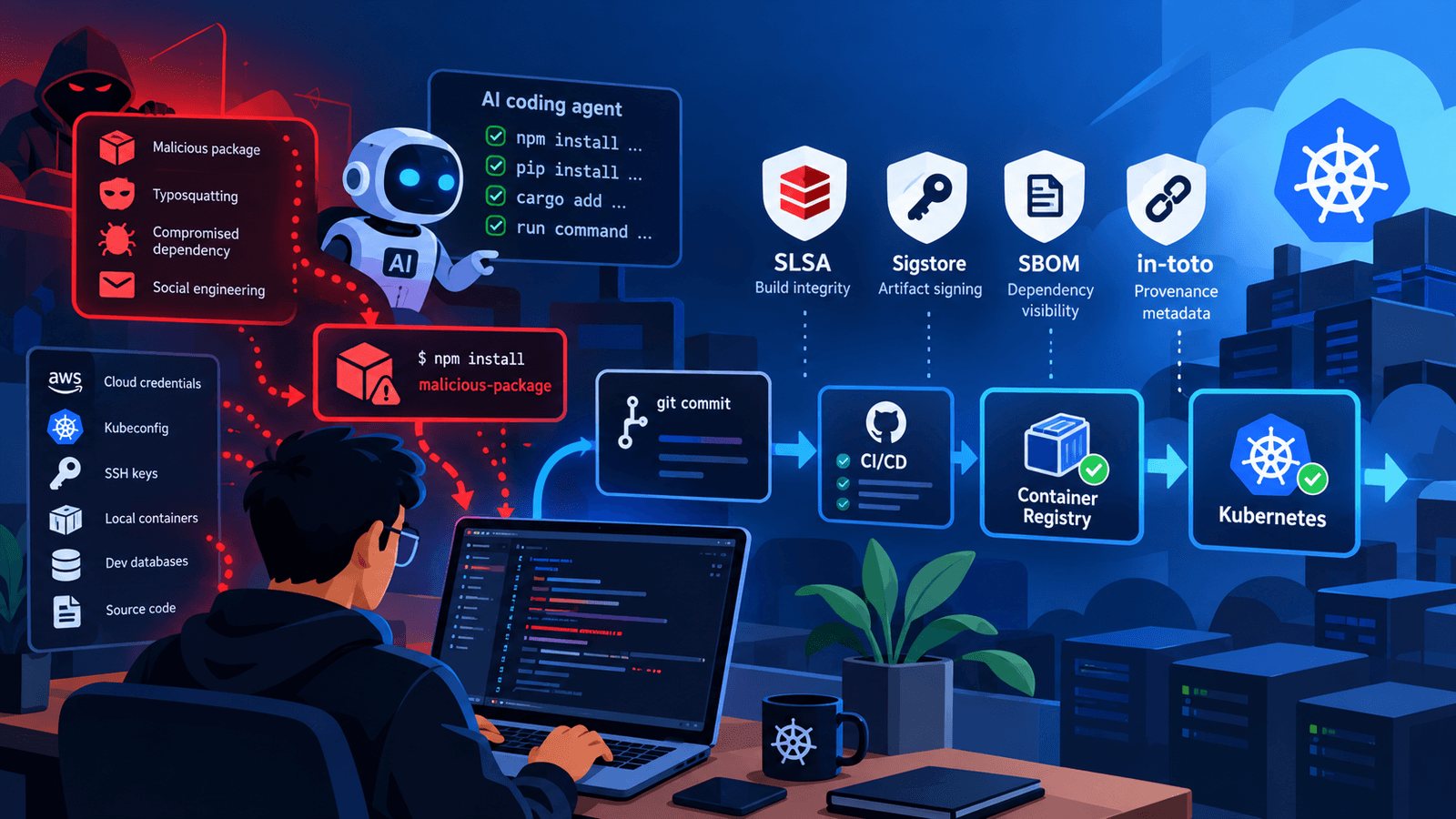
Beyond SLSA and Sigstore: Securing the Developer Origin in the Age of Agentic Coding
SLSA, Sigstore and SBOMs have strengthened software supply chain security, but attackers are increasingly targeting developer workstations before code reaches the CI/CD pipeline. With autonomous AI coding agents installing dependencies, executing commands and accessing sensitive credentials, endpoint security is becoming a critical cloud-native concern. Securing the software supply chain now requires protection from the developer’s IDE all the way to Kubernetes production workloads.
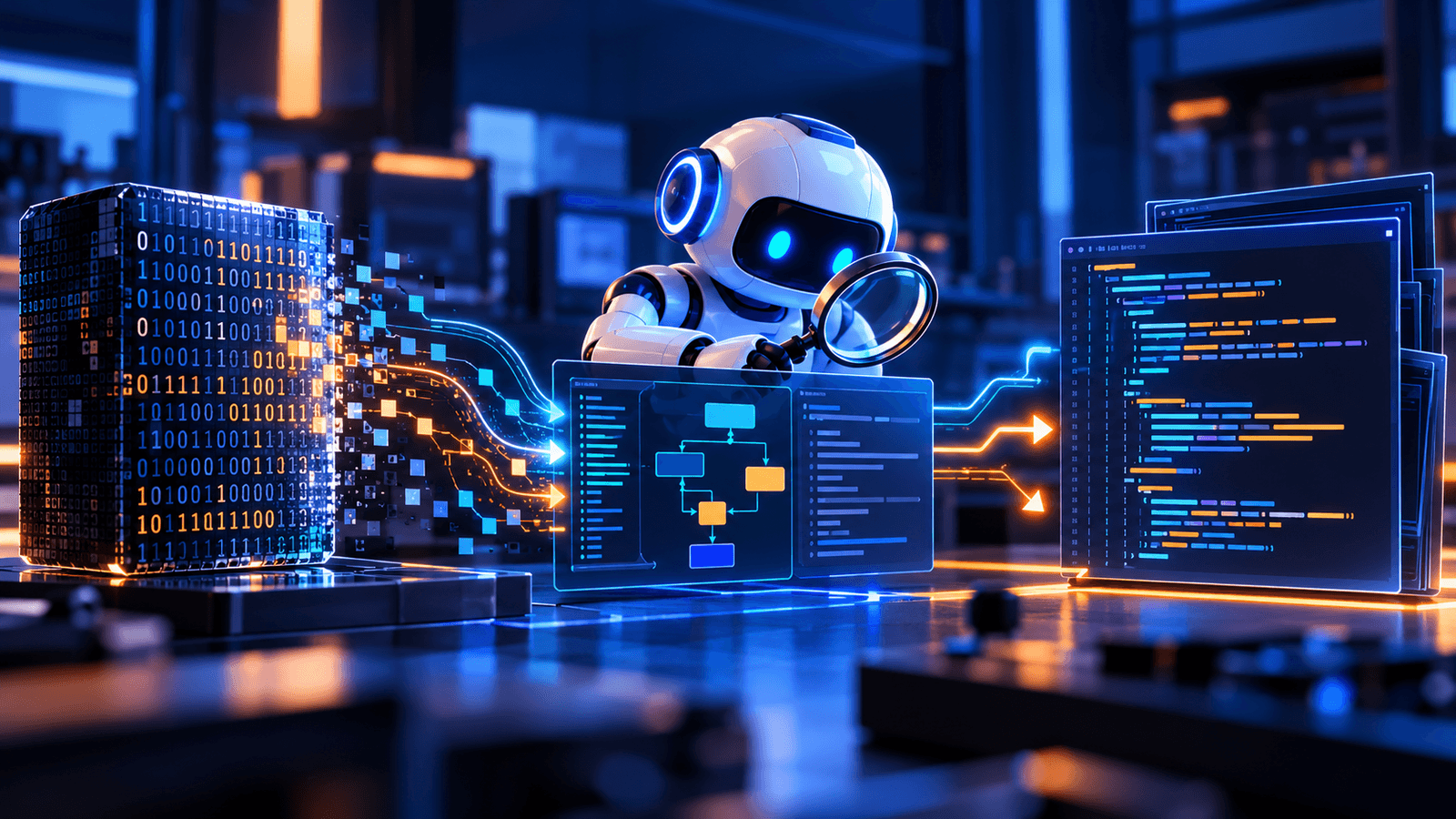
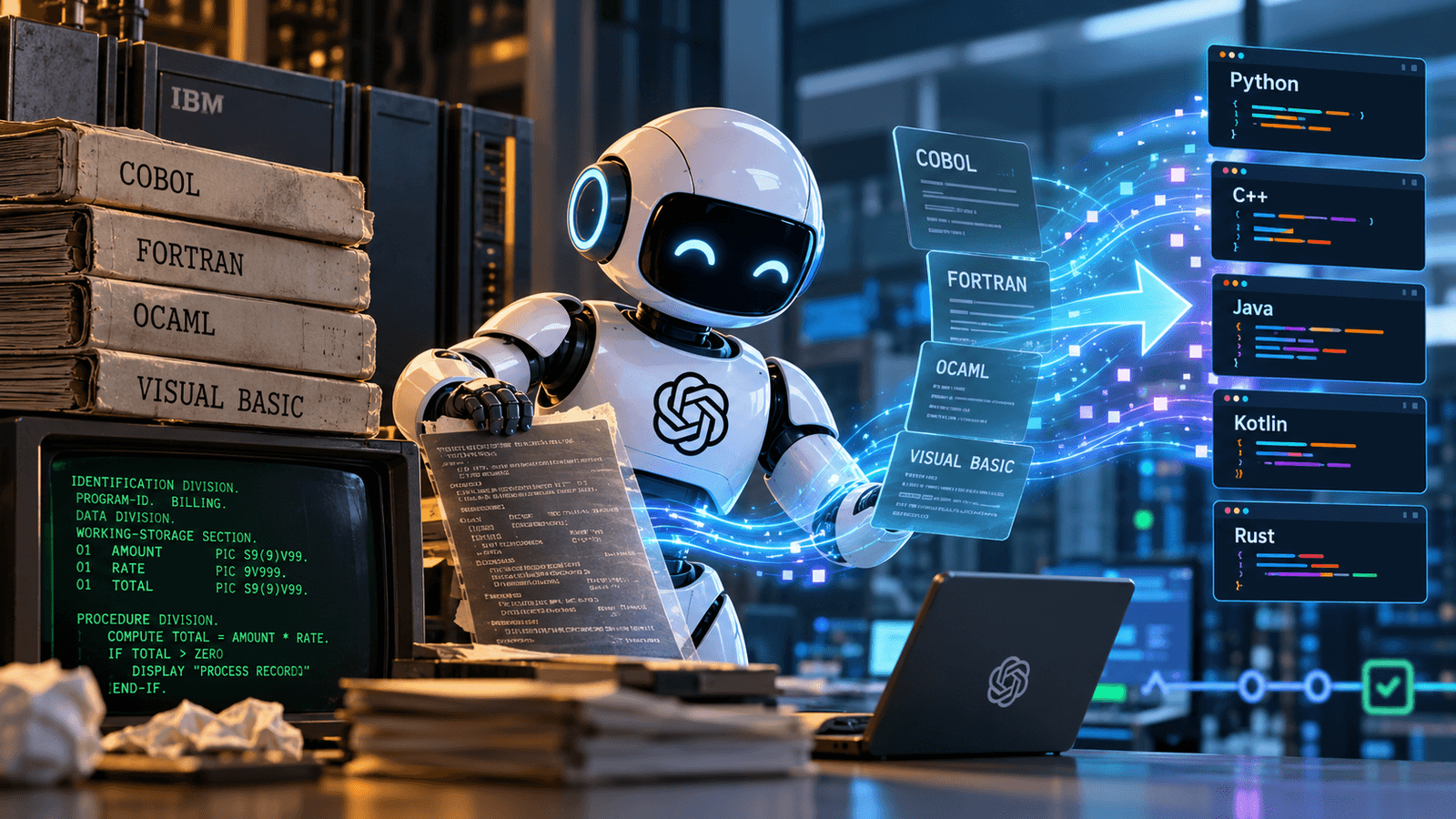
AI Agents Can Now Take Software Apart. DevOps Teams Need a Plan
AI-powered reverse engineering is making it easier to understand and rebuild software without source code. Tools such as REA and increasingly capable AI models create opportunities for legacy modernization while raising fresh concerns about intellectual property, application security and functional correctness.
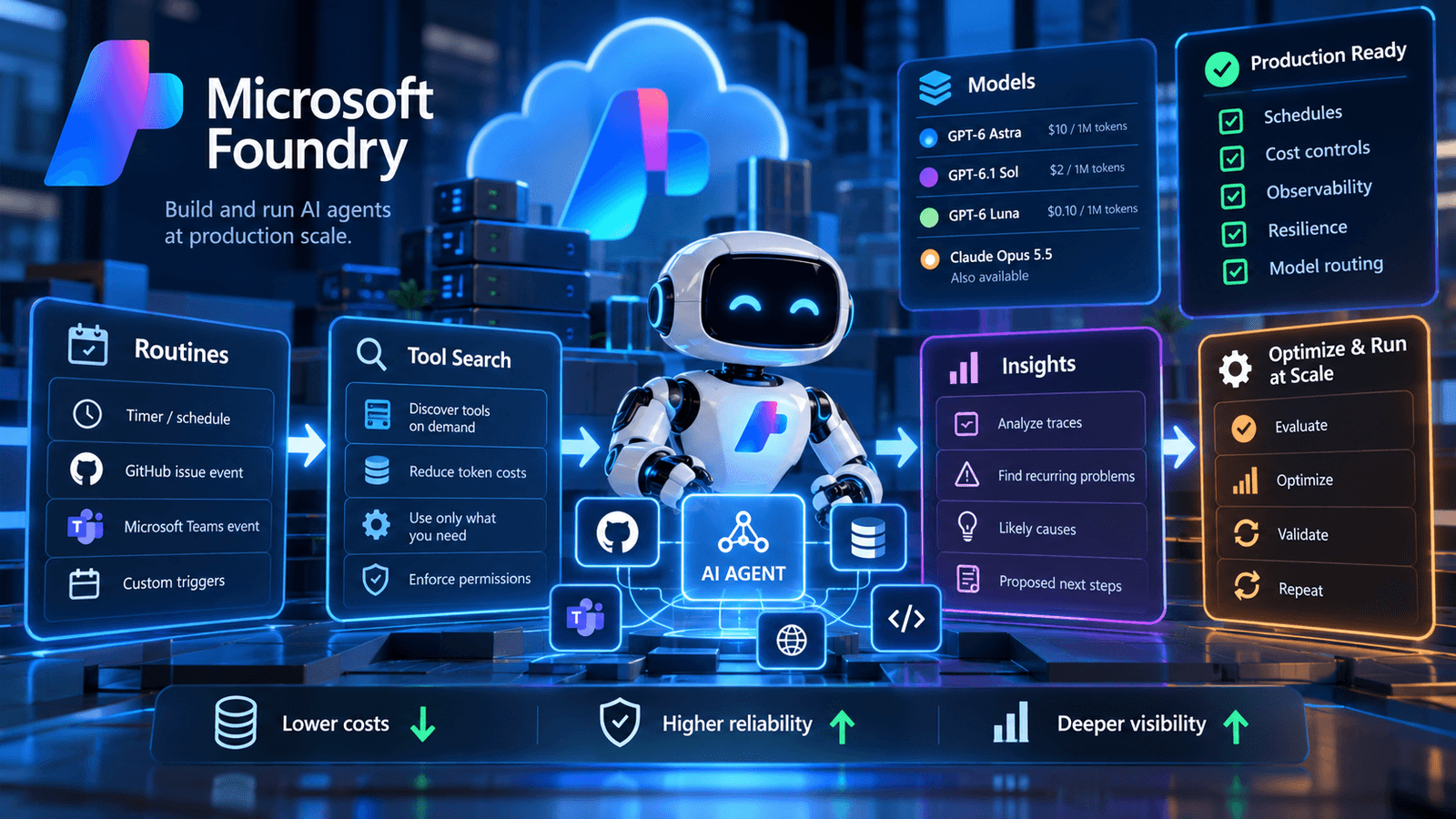
Microsoft Foundry Puts AI Agents on a Schedule and Under Watch
Microsoft’s September Foundry updates focus on making AI agents production-ready with automated routines, lower token costs, trace-based insights and improved resilience. For DevOps teams, the changes bring agent operations closer to familiar CI/CD and observability practices.
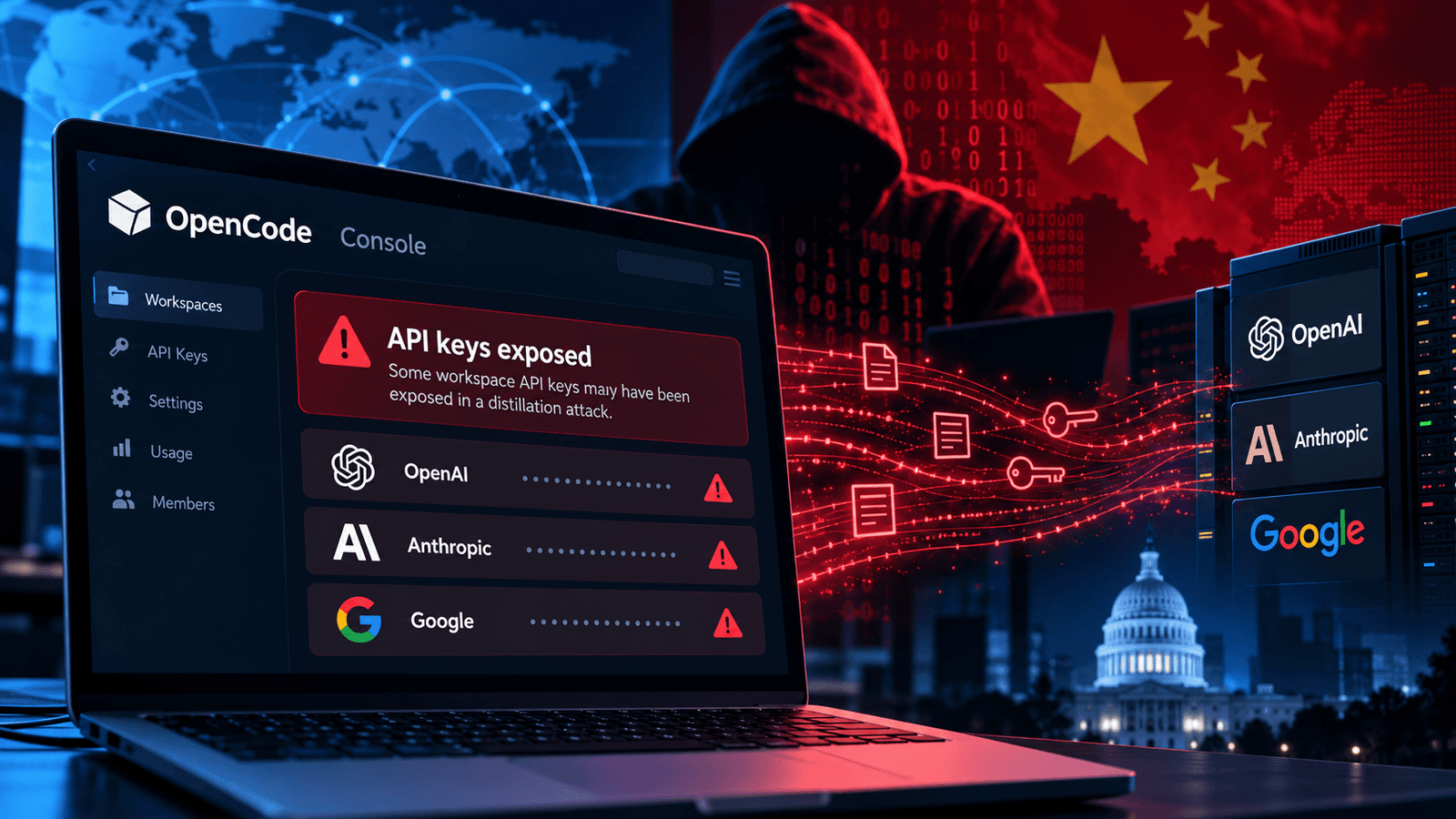
OpenCode Breach Puts Spotlight on AI Distillation Threats
An attack using the technique on the open source coding agent’s Console hub exposed third party API keys from OpenAI, Anthropic, and Google
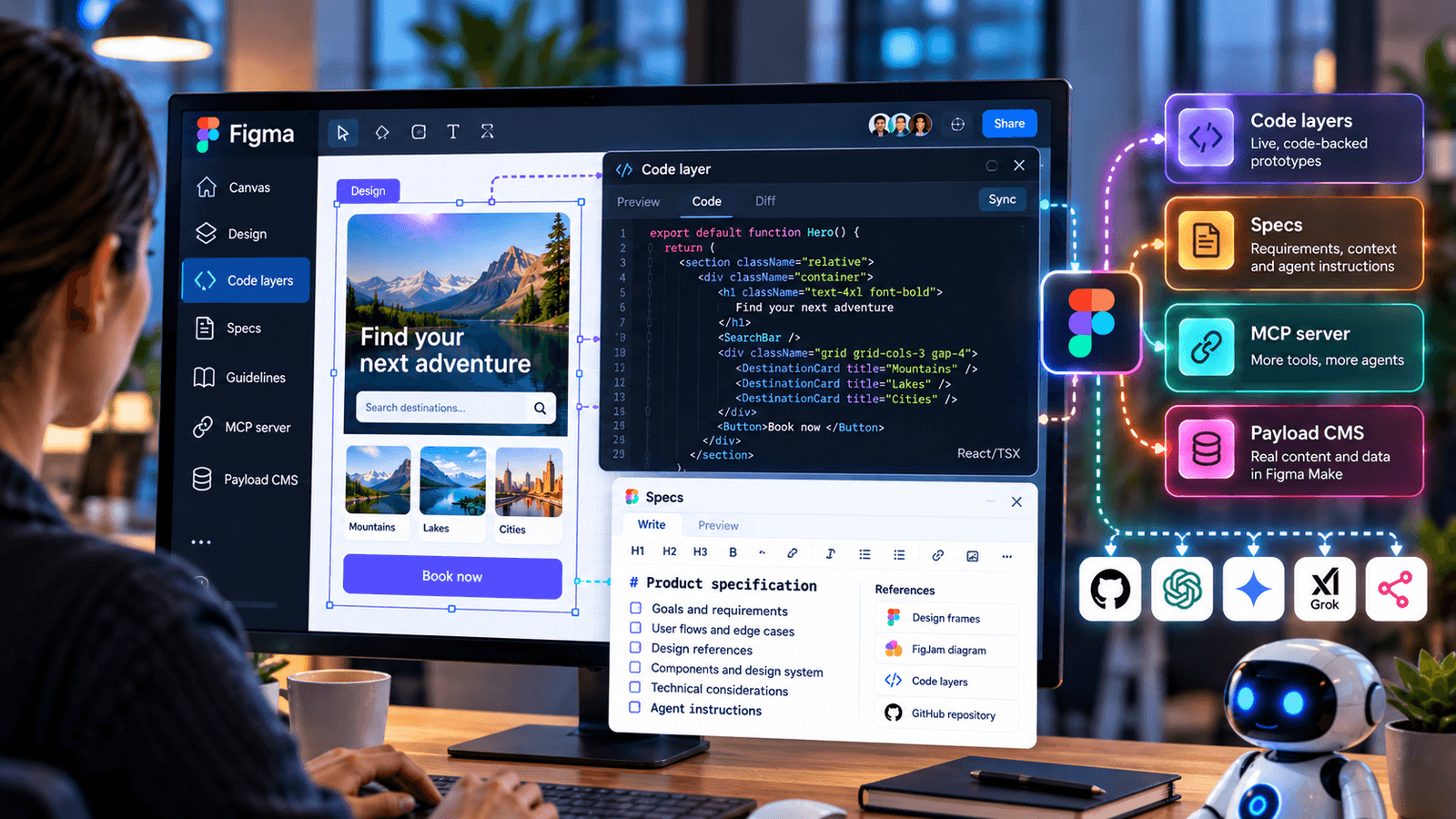
Figma Gives AI Agents a Spec Sheet and Developers a Shared Canvas
Figma introduces Specs, code layers and expanded MCP tools to connect AI agents, designers and developers while improving design-to-code workflows.
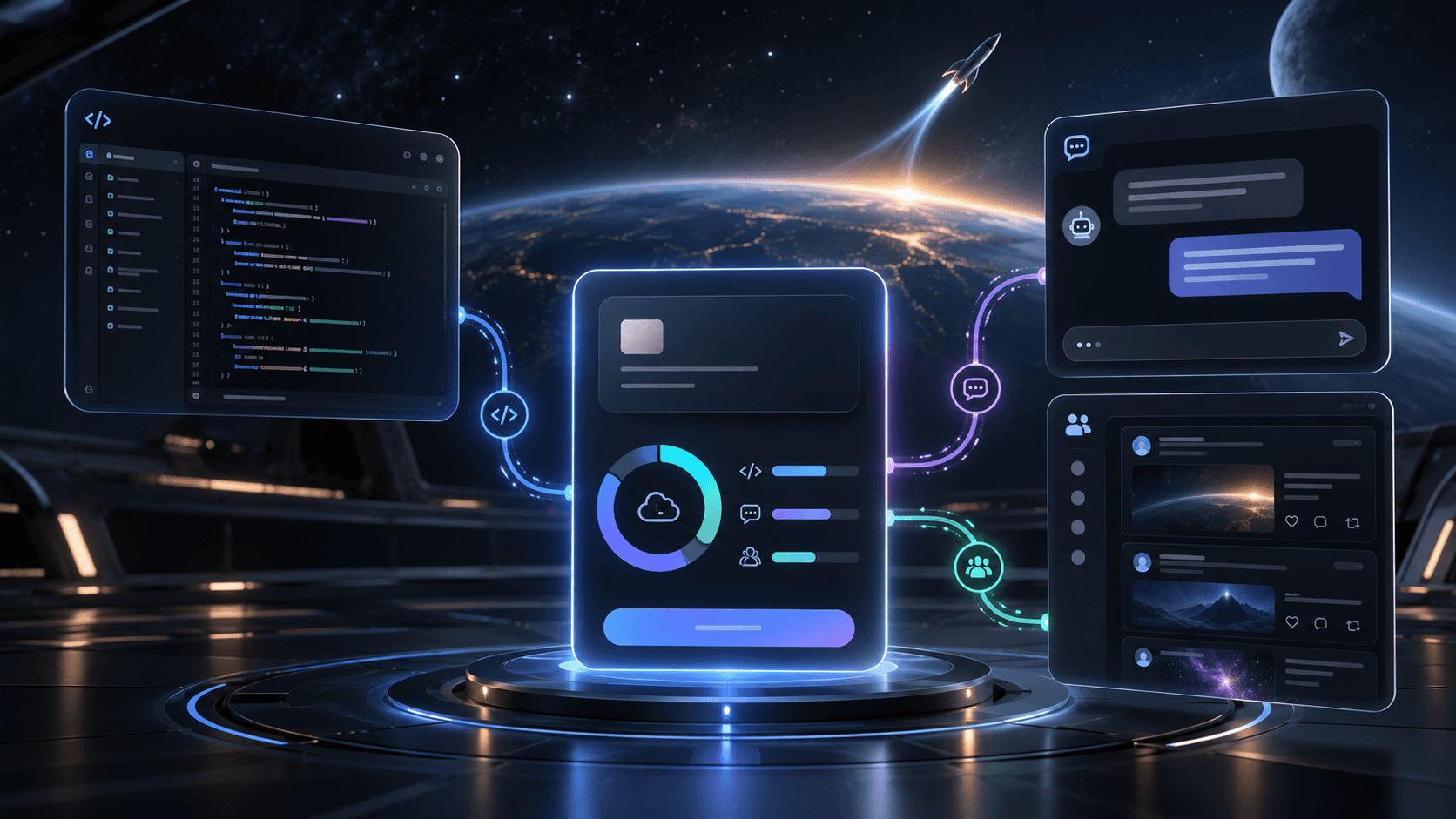
One Bill for Grok, Cursor, and X: What SpaceX’s Bundle Means for Developers
SpaceX wants to be the single line item for your AI coding tool, your chatbot, and your social media account. On October 12, SpaceX Super Intelligence (SpaceXSI), the AI unit formerly known as xAI, introduced The X Subscription. It folds Grok, the Grok Bot agent, the Cursor AI code editor, and X Premium into one […]
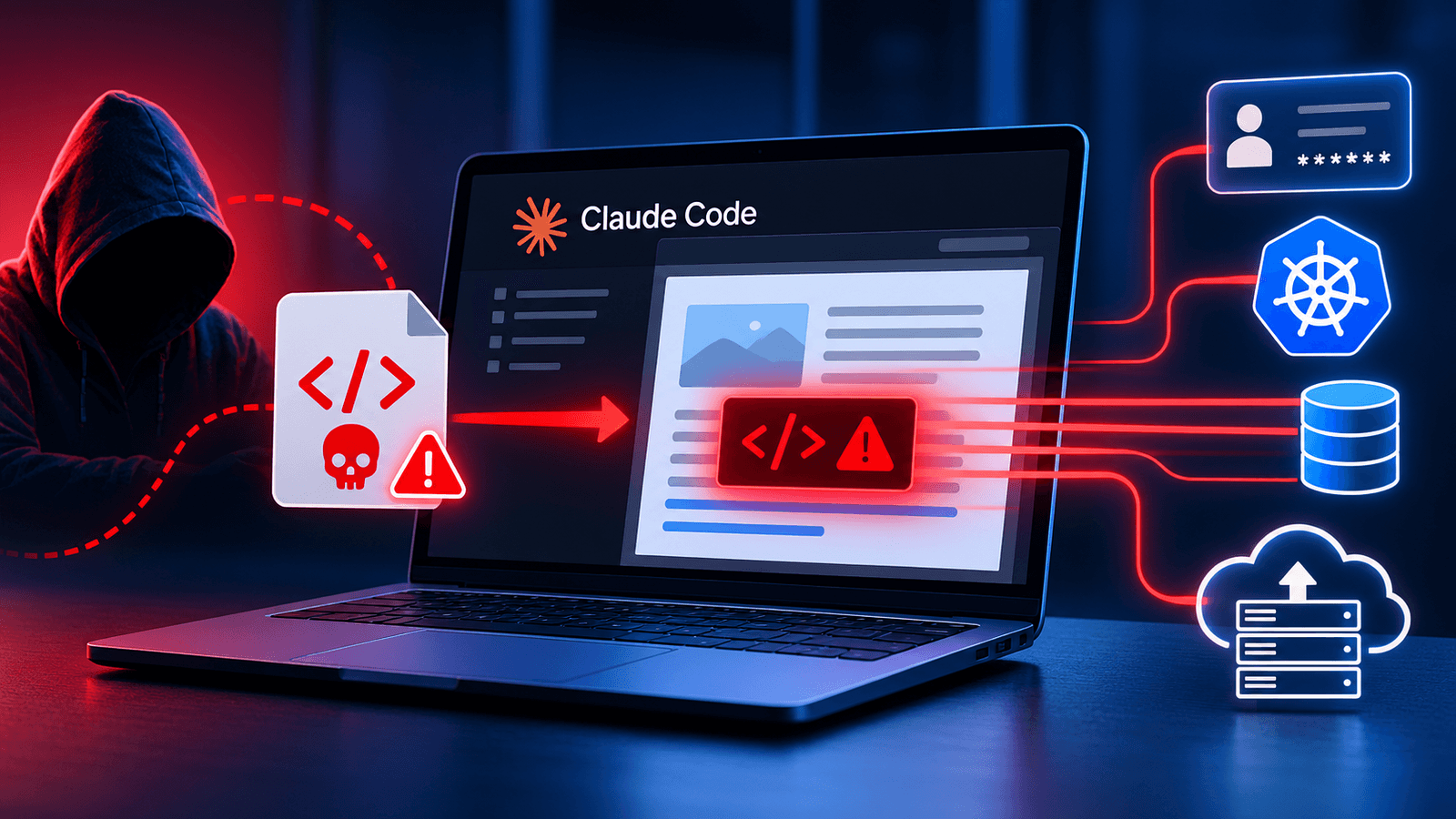
Noma Security Discloses Claude Code Desktop Exploit
Security researchers at Noma Security uncovered SneakPeek, a vulnerability in Anthropic’s Claude Code Desktop that allowed malicious JavaScript embedded in large HTML files to bypass sandbox protections and silently steal sensitive local data. The flaw exposed credentials, API tokens and Kubernetes configurations through the application’s preview pane. Although Anthropic has released a security update addressing the exploit, the discovery highlights growing software supply chain risks as AI coding tools become embedded in developer workflows without sufficient security oversight.
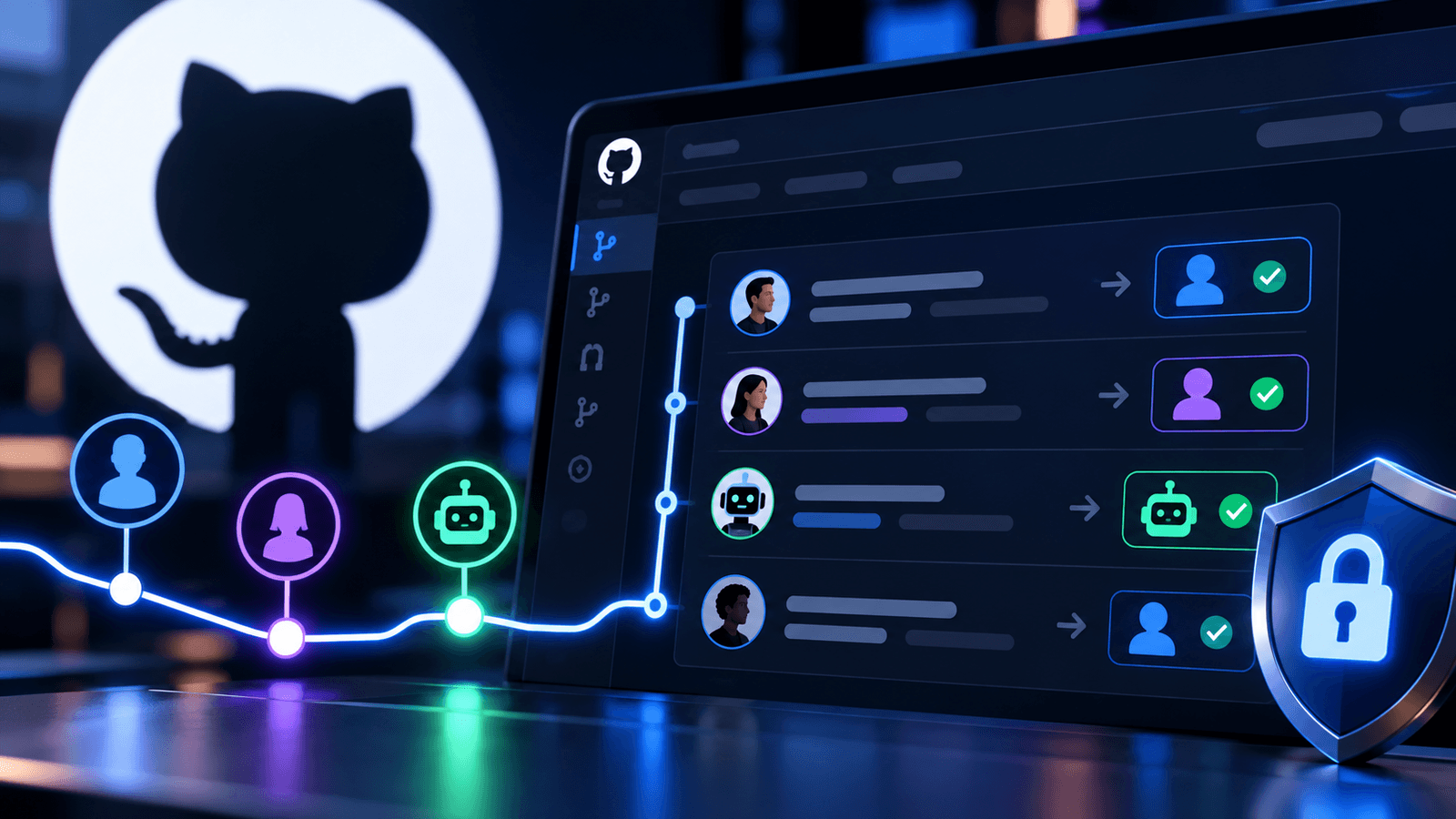
GitHub Ties Every Commit to the Account That Pushed It
GitHub has introduced push attribution in limited public preview for Enterprise customers, adding authenticated pusher identities to commits alongside author and committer information. A new repository rule can also block pushes when committer details don’t match the authenticated account, helping DevOps teams combat identity spoofing, improve audit trails and strengthen software supply chain security.

AI Is Automating Code. The Job Is Engineering
AI is automating coding, but software engineering still requires human judgment. Explore what shifting developer demand means for DevOps, QA and software delivery.
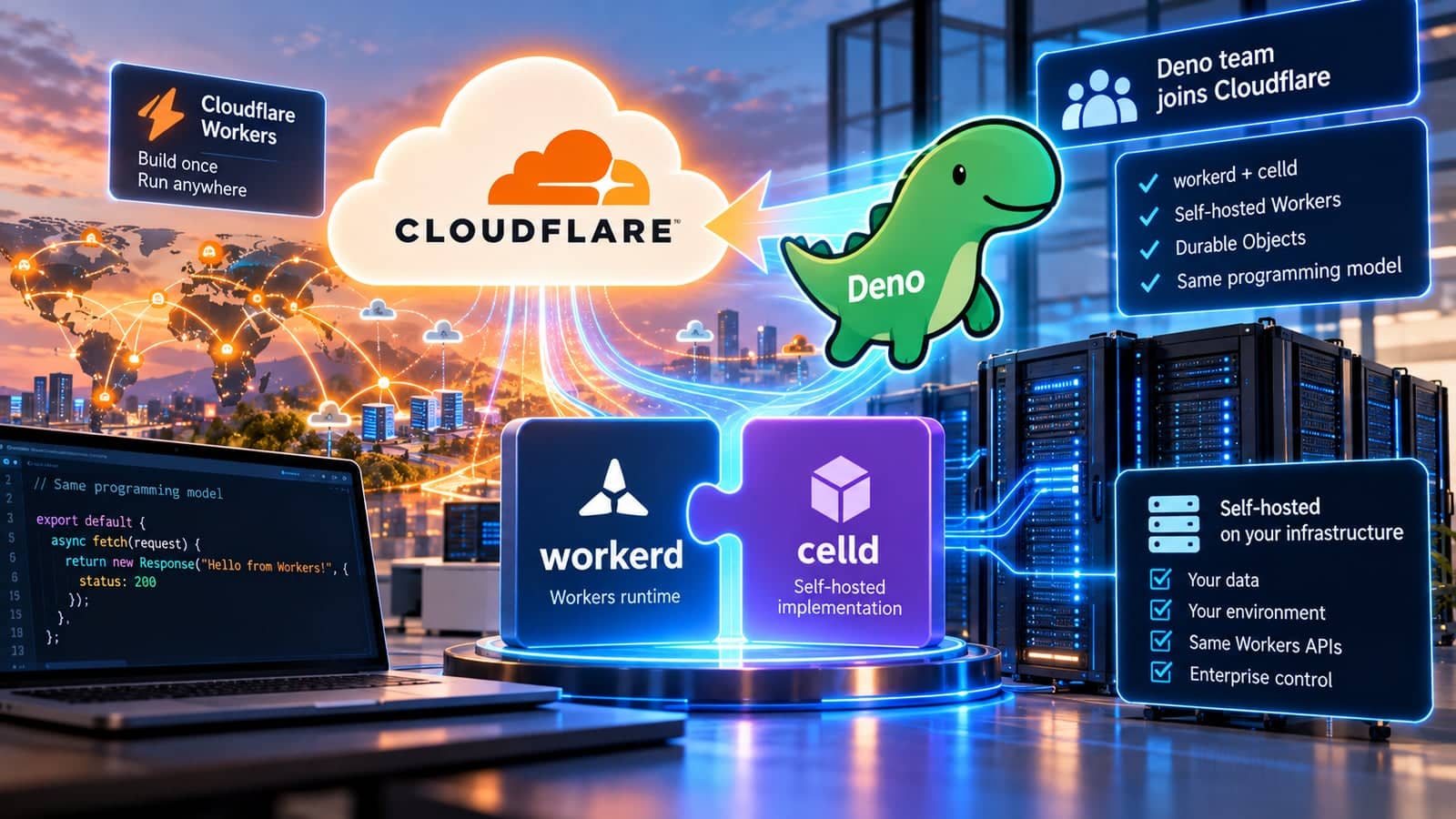
Cloudflare Brings the Deno Team In to Make Self-Hosted Workers Practical
Cloudflare brings Deno’s team aboard to expand self-hosted Workers and Durable Objects as Deno Deploy winds down and runtime support enters its final year.

Secrets Sprawl and Rotation: A Practical Vault Management Playbook
In 2025 alone, security firm GitGuardian detected 28.65 million new hardcoded secrets exposed in public GitHub commits — a 34% increase year over year and the largest single-year jump the company has recorded in five years of publishing its annual State of Secrets Sprawl report. Since 2021, that number has grown 152%, far outpacing the […]
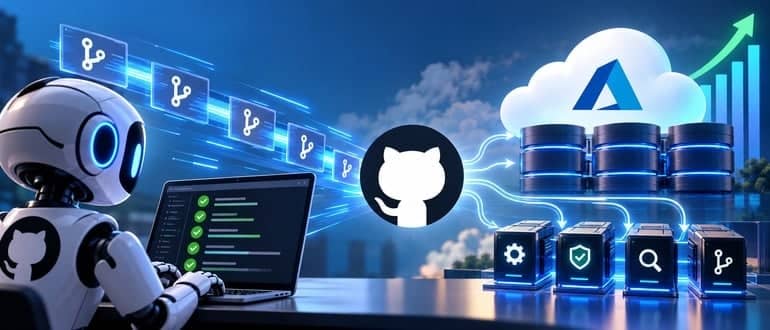
Coding Agents Broke Git’s Scaling Math. GitHub Is Rebuilding to Keep Up
GitHub is rebuilding its Git infrastructure as AI coding agents drive billions of commits, promising up to 35x faster writes while exposing new DevOps bottlenecks.

HackerOne Report Surfaces Massive Increase in Vulnerability Backlogs
HackerOne research shows vulnerability remediation is getting faster, but AI-driven discovery is expanding exposure debt even more quickly, putting DevSecOps teams under growing pressure.
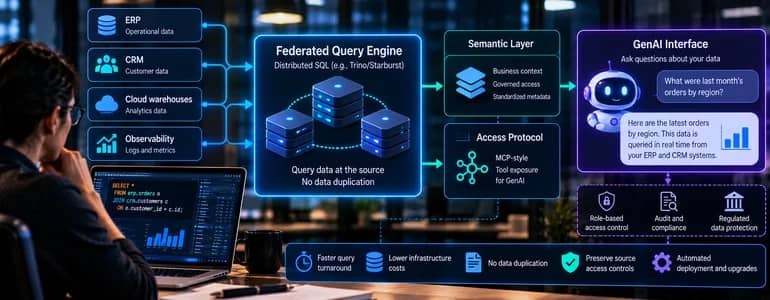
Federated Query at Petabyte Scale: A Deployment Pattern for a Governed AI-Agent Data Layer
A federated query architecture can reduce data duplication and latency while creating a governed, auditable data layer that enterprise AI agents can safely access.

DevOps Dozen 2026 Nominations Are Open: Recognizing the People and Technology Moving DevOps Forward
When we launched the DevOps Dozen in 2015, we wanted to recognize the people, projects and companies helping this community move forward. We saw the work happening across DevOps every day at DevOps.com. The awards gave our readers a chance to tell us who deserved recognition. Eleven years later, there is a lot more ground […]
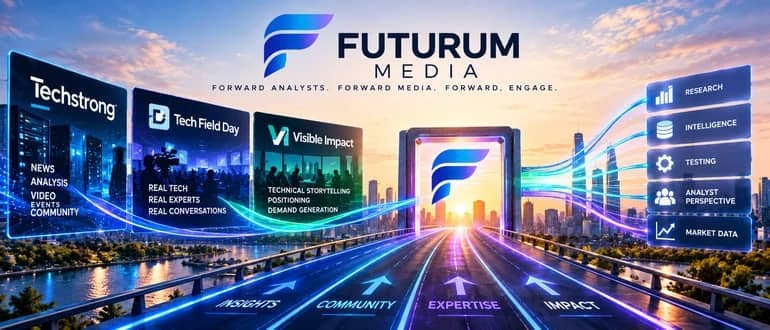
Introducing Futurum Media: Why Futurum, Why Now?
Techstrong, Tech Field Day and Visible Impact come together, backed by the research, intelligence and expertise of The Futurum Group.
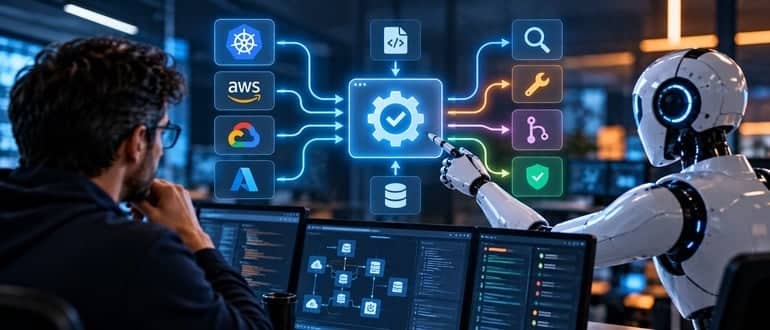
env zero Previews Control Plane for Agentic DevOps Workflows
env zero’s EZ Control introduces an agentic DevOps control plane that detects infrastructure drift, applies policy-driven remediation and keeps automated changes attributable, reversible and auditable.

GitHub’s Security Autofix Agent Now Remembers What It Fixed
GitHub’s agentic autofix now uses Copilot Memory to reuse repository-specific security fix patterns, helping Copilot apply lessons from past vulnerabilities across future alerts, reviews and coding workflows.
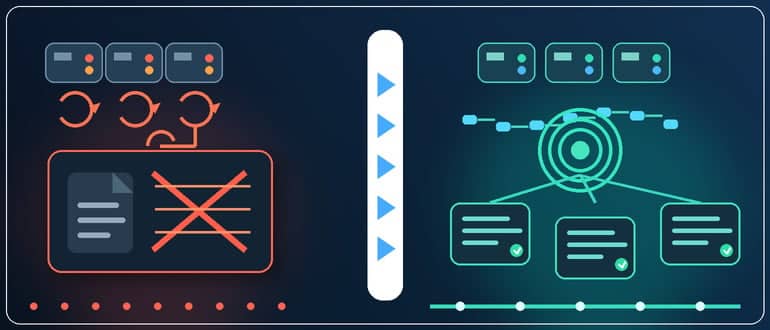
Dependency Mocking Approach That Gets More Accurate as Your Services Deploy More Often
Traffic-based dependency mocking turns frequent upstream deployments into opportunities to refresh mocks from real behavior and reduce integration test drift.
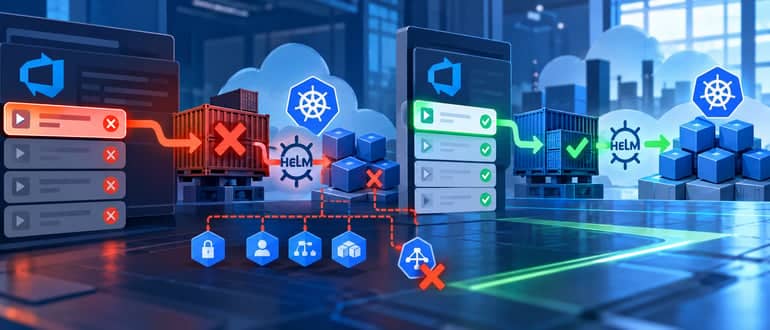
Why Old Azure DevOps Releases Survive a Pipeline Cutover
Old Azure DevOps Classic releases can retain retired deployment tasks, Helm names, image paths and variables long after a pipeline cutover, leaving stale redeploy paths active.