

groundcover Adds Observability Workspace to Foster Collaboration With AI Agents
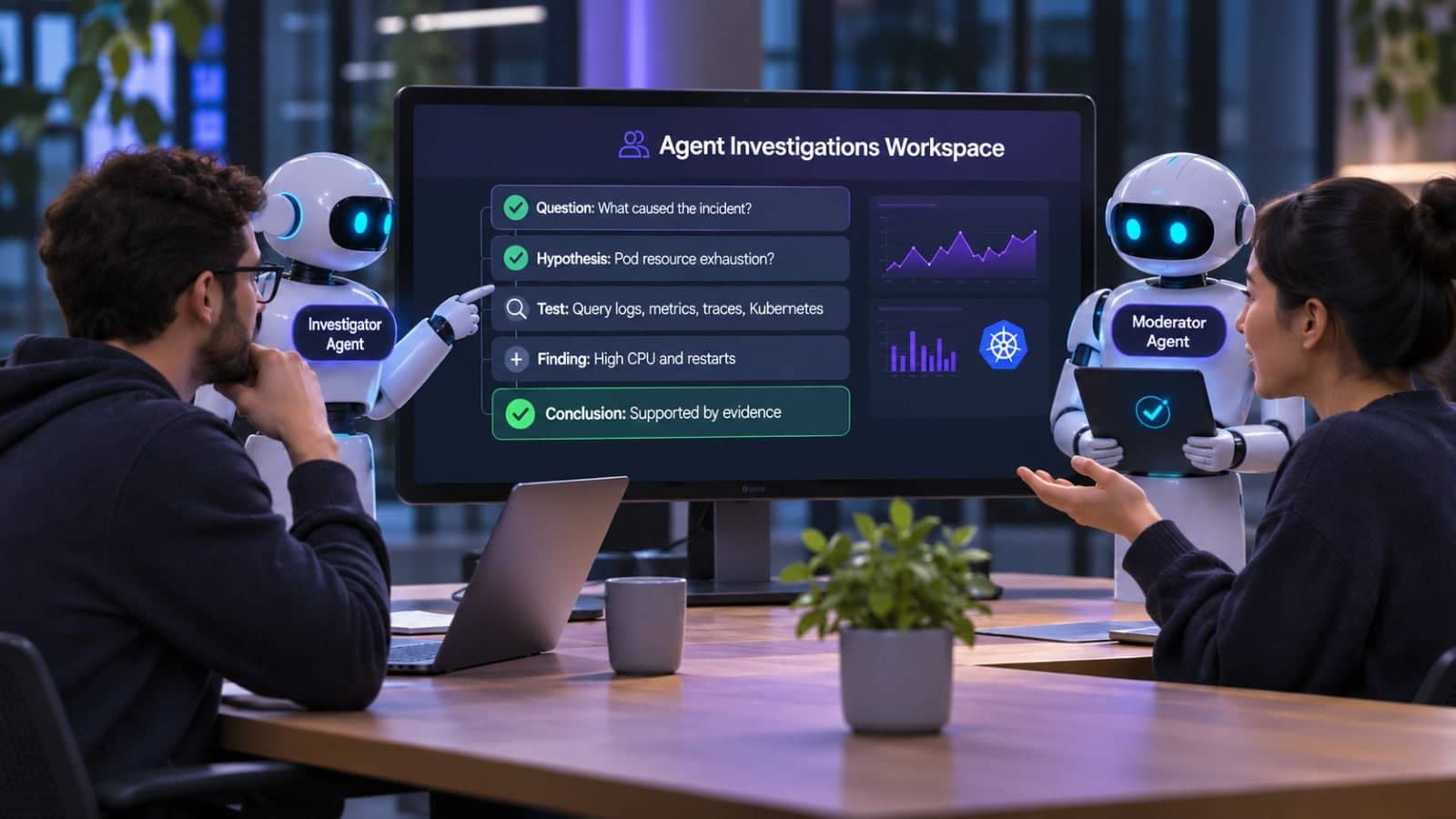
groundcover has expanded its observability platform with Agent Investigations, a collaborative workspace where AI agents and DevOps engineers can investigate incidents together. By combining hypothesis testing, production telemetry and evidence-backed conclusions, the platform aims to eliminate fragmented investigations and accelerate root cause analysis while keeping engineers involved in critical decisions.

GenAI in Software Development: Does It Really Cut Costs?
Generative AI can accelerate coding, testing and documentation, but faster development doesn’t necessarily translate into lower costs. Licensing fees, security reviews, rework and governance can quickly erode productivity gains. For enterprise engineering leaders, the real test is whether AI delivers reliable software at a lower total cost, rather than simply generating more code.

Beyond Green Pipelines: Designing Stateful Governance for CI/CD
As AI agents accelerate software development, traditional CI/CD pipelines face mounting pressure to keep pace. But adding runners and speeding up tests won’t solve every problem. A governance-driven approach that retains validation results, reassesses them when conditions change and enforces release policies could help DevOps teams avoid unnecessary work without compromising software security or reliability.
At Ignite, Microsoft Makes the Case for “Good Enough” Coding Models
Microsoft is betting that DevOps teams need affordable, task-specific AI models more than frontier-level performance for every coding job. With MAI Code 2, intelligent model routing, agent sandboxes and centralized governance, its Ignite 2026 announcements signal a shift toward managing AI coding as enterprise infrastructure rather than simply another developer tool.
Sumo Logic Deepens Observability Ties with AWS
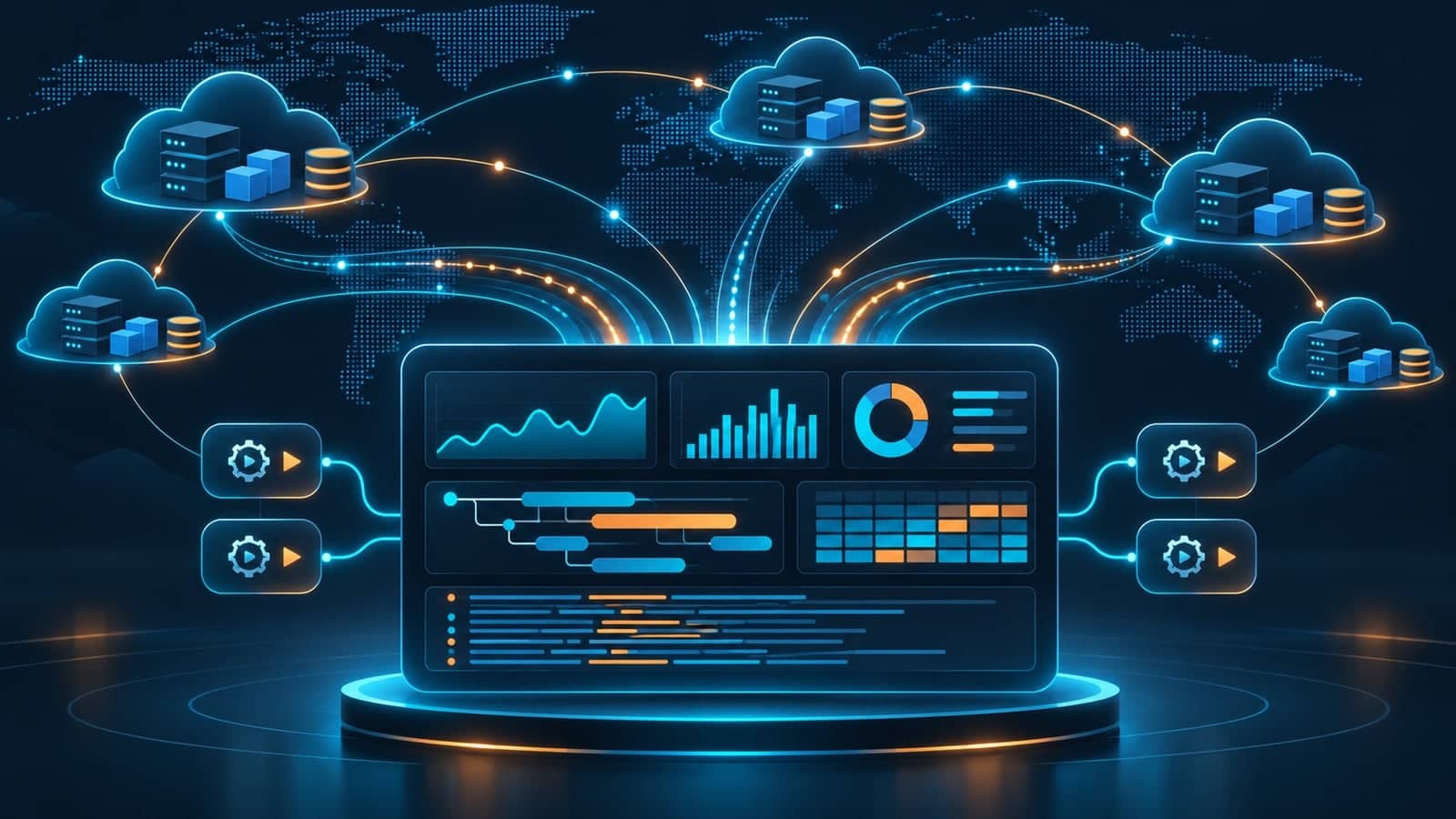
Sumo Logic today expanded its AWS Observability Solution for Amazon Web Services (AWS), adding a Quick Launch deployment option through AWS Marketplace and extending observability coverage that includes serverless workloads. Additionally, Sumo Logic has added support for AWS regions in Zurich, Melbourne and New Zealand, bringing the total number of supported regions to 20. DevOps […]
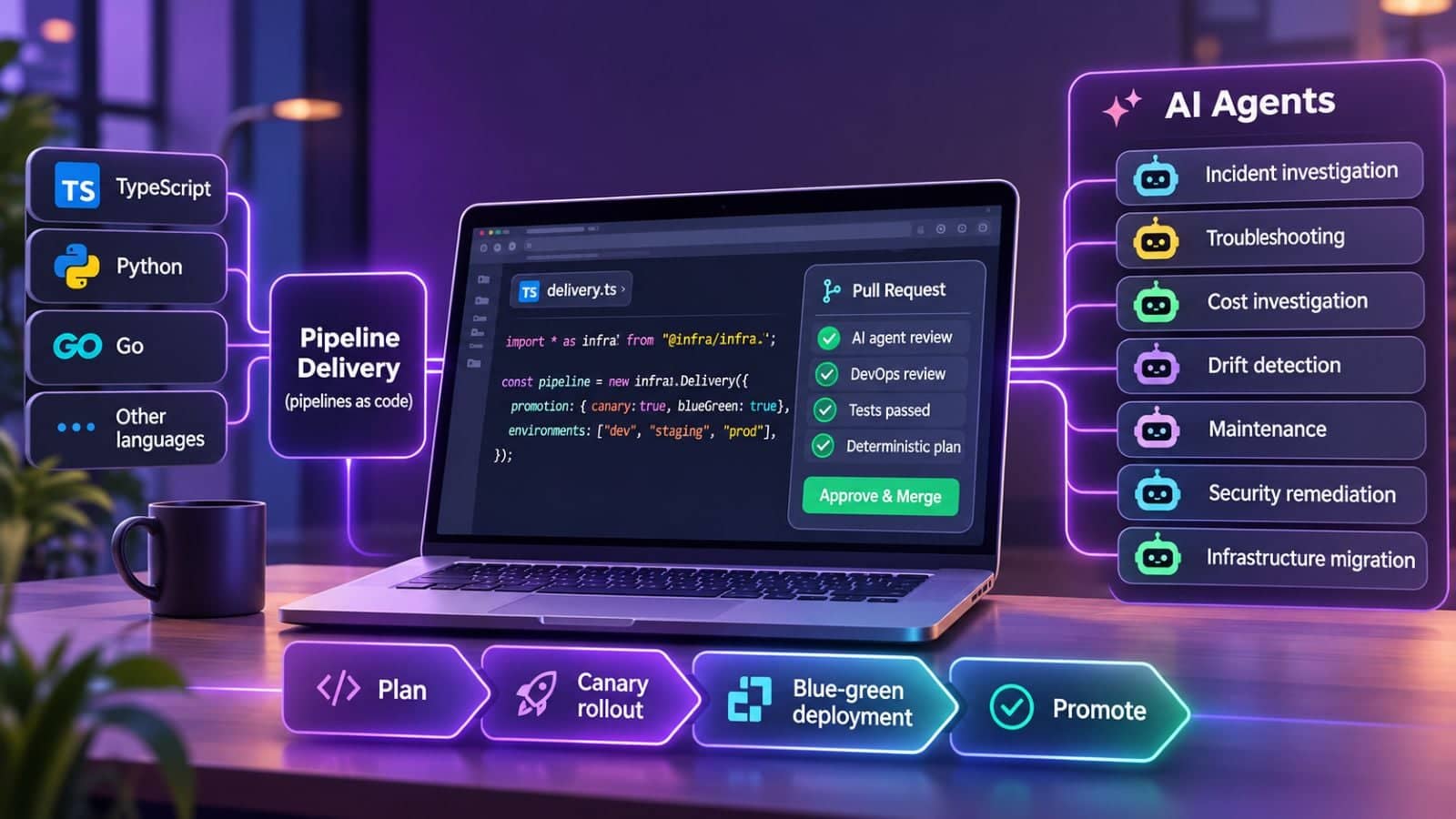
Pulumi Previews DevOps Platform Extensions for the Agentic AI Era
Pulumi today made available in public preview both an ability to enable DevOps teams to define delivery pipelines in code and a series of artificial intelligence (AI) agents that have been trained to perform specific tasks. A Pulumi Delivery capability makes it possible to use TypeScript, Python, Go, and other languages to create pipelines for […]

Java4Shell Vulnerability Threatens Enterprise Java Applications
The security firm behind last month’s high-profile PHP2Shell discovery has used AI to uncover another serious vulnerability, this time in Java. Calif says its researchers have demonstrated remote code execution in widely used Java applications, including Jenkins and JFrog Artifactory. The vulnerability, called Java4Shell and tracked as CVE-2026-114938, involves an out-of-bounds memory write in OpenJDK’s […]
Chainguard Introduces Free Starter and $500 Team Plans
Chainguard has long been a leading software supply chain security company, and now it’s making it easier and cheaper to access its secure open-source software offerings. Back in 2022, Chainguard co-founder Kim Lewandowski said, “Chainguard’s mission is to make the software supply chain secure by default, because we think the only way you can get […]

NTT Develops SDK for Optical Quantum Machine Learning Applications
With the responsibility to tool up core software application development practices for the agentic AI revolution, a similarly significant gravitational force may soon be felt as a result of quantum computing more broadly. Within the arena of quantum, photonic (optical) quantum computers in particular are an emergent branch of the field that encodes quantum information […]

Rocket Software Converts COBOL Code into Portable Microservice
Rocket Software today added a platform that makes it simpler to move COBOL code from a mainframe to a cloud service or other type of distributed computing environment in a way that preserves existing business logic. Phil Buckellew, president of the Infrastructure Modernization Business Unit at Rocket Software, said the Rocket Transaction Platform converts monolithic […]

Earthly Makes Platform for Centrally Applying DevOps Governance Policies Available
Earthly today made a platform that makes it possible to centrally manage and apply governance policies across multiple DevOps platforms and code repositories generally available. Fresh off raising an additional $5.7 million in funding, the company has developed an Earthly Lunar platform that comes with more than 300 prebuilt guardrails. Additionally, DevOps teams can add […]

Survey: Code Now Generated Faster Than Reviews and Tests Can Keep Pace
AI coding tools are becoming nearly universal among Java developers, but code reviews, testing and debugging practices are struggling to keep pace. A BellSoft survey of 360 developers finds that 98% use AI to write code, while only 54% use it for reviewing and testing. The widening gap raises concerns about software quality, security and the ability of existing DevOps workflows to handle an accelerating volume of AI-generated code.

Linux Foundation: AI Coding Tools Are Outpacing Cybersecurity Defenses
A new Linux Foundation report finds that 58% of software development teams are releasing code faster than their security staff can review it, raising major concerns about vulnerabilities introduced by AI coding tools. The report, State of AI Impact on Software Security and Cybersecurity 2026, surveyed 308 cybersecurity practitioners working in businesses and open source […]

Ten Great DevOps Job Opportunities
DevOps.com is now providing a weekly DevOps jobs report through which opportunities for DevOps professionals will be highlighted as part of an effort to better serve our audience. Our goal in these challenging economic times is to make it just that much easier for DevOps professionals to advance their careers. Of course, the pool of […]
Agents Inherit Your Mess
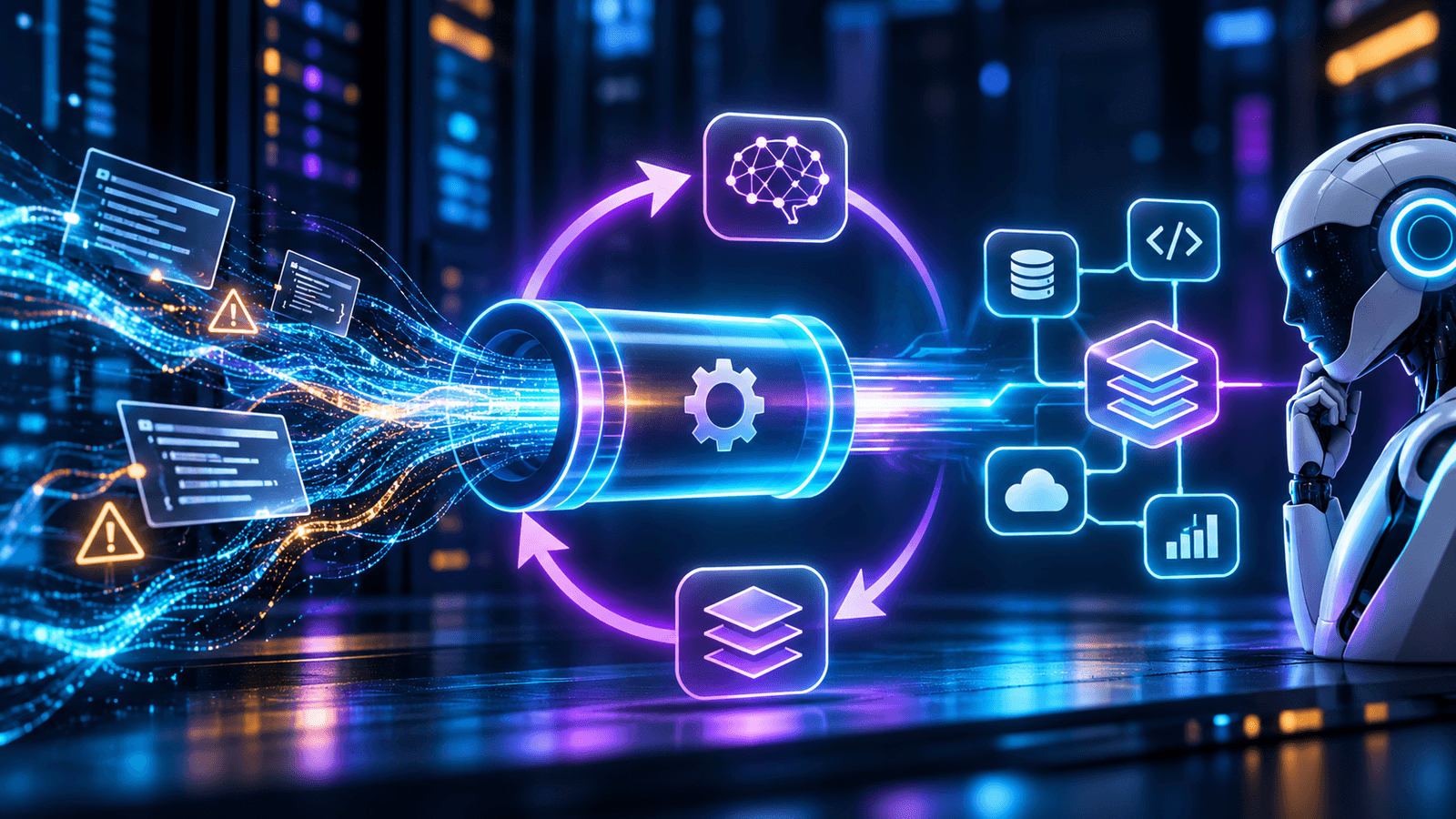
AI agents need more than raw logs. Discover how stateless ingestion, asynchronous enrichment and semantic context improve observability, reliability and cost.
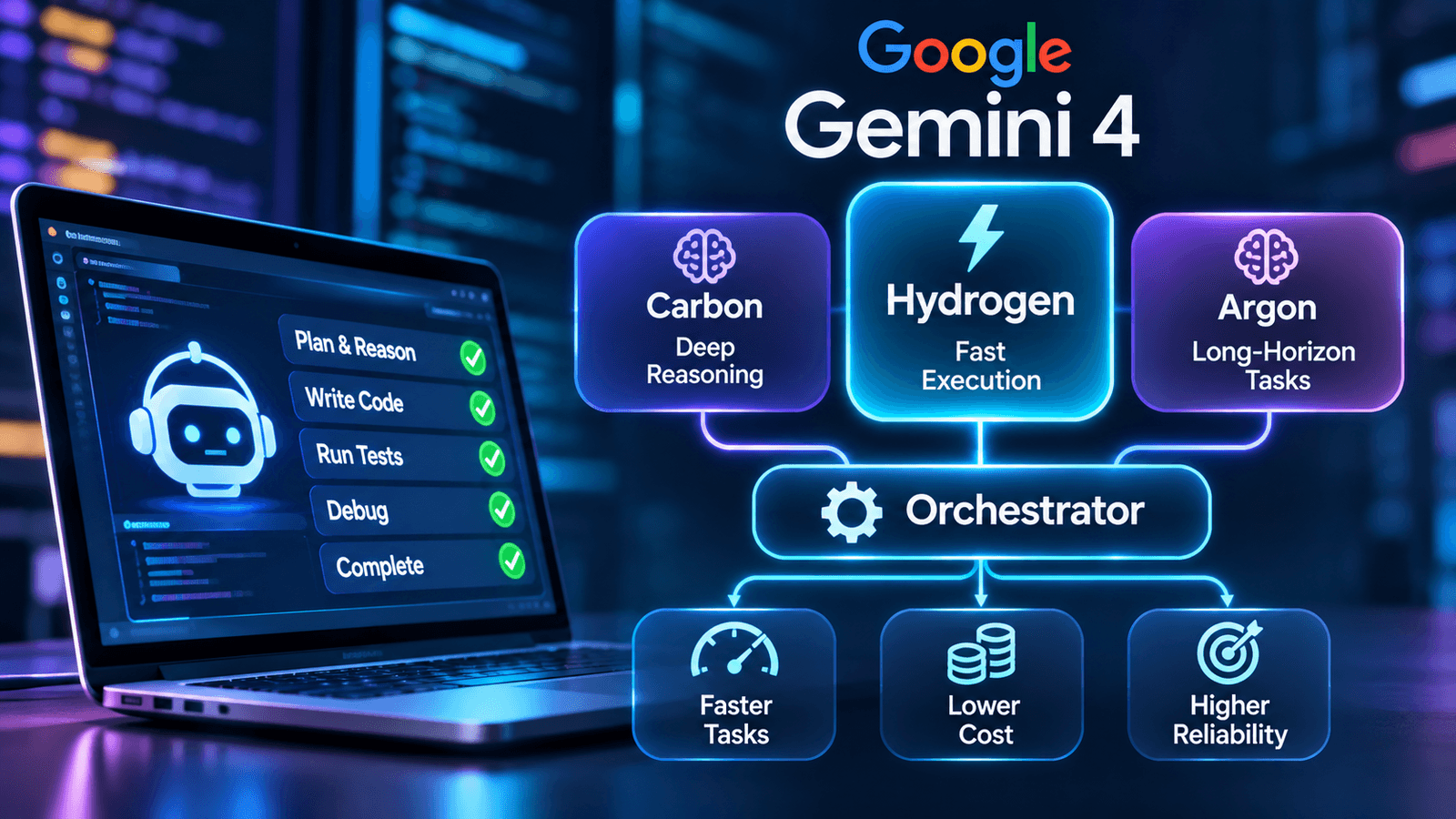
Google’s Gemini 4 Hydrogen Turns Model Choice Into a Routing Decision
Google is expanding its Gemini 4 family with Hydrogen, a speed-focused model designed for AI coding agents and multi-step workflows. Alongside it, the new Orchestrator capability in Google Antigravity routes tasks between faster execution models and more powerful reasoning models. Google claims the combination can reduce costs and accelerate task completion, but DevOps teams must weigh those benefits against token pricing, benchmark performance and the growing importance of controlling model-routing decisions.

Spacelift Expands Observability Reach to OpenTofu
Spacelift this week at the KubeCon + CloudNativeCon North America 2026 conference extended the reach of its observability platform to OpenTofu, an open source infrastructure-as-code (IaC) tool that is being advanced under the auspices of the Cloud Native Computing Foundation (CNCF). Dimitri Vlachos, chief marketing officer for Spacelift, said that as OpenTofu continues to gain […]

Diagrid Updates Dapr Runtime for the Agentic AI Era
Diagrid at the KubeCon + CloudNativeCon North America 2026 conference has made available an update to the open source Distributed Application Runtime (Dapr) that makes it possible to deploy artificial intelligence (AI) agents in a way that consumes infrastructure resources more efficiently. The Dapr framework is based on Actors that are used to build stateful, […]
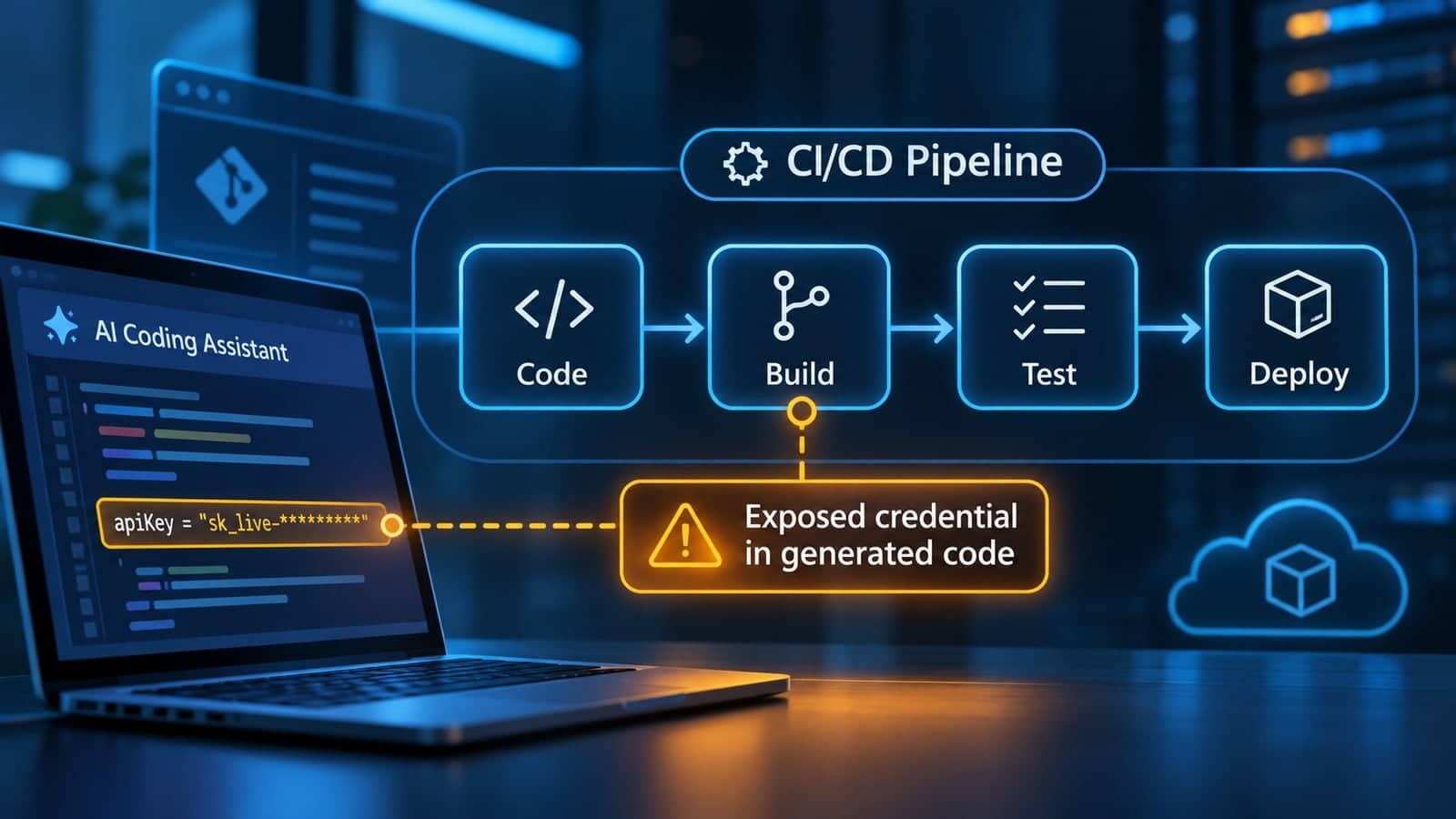
Does AI Coding Make Secrets Sprawl Worse in CI/CD Pipelines?
Artificial intelligence (AI)-powered coding assistants help software development teams work faster by generating code, configuring systems and automating repetitive tasks. However, this convenience introduces security risks. AI-generated code may contain hardcoded credentials or insecure authentication methods, potentially exposing sensitive information across development environments. As organizations rely on these tools, understanding how AI-assisted development contributes to […]
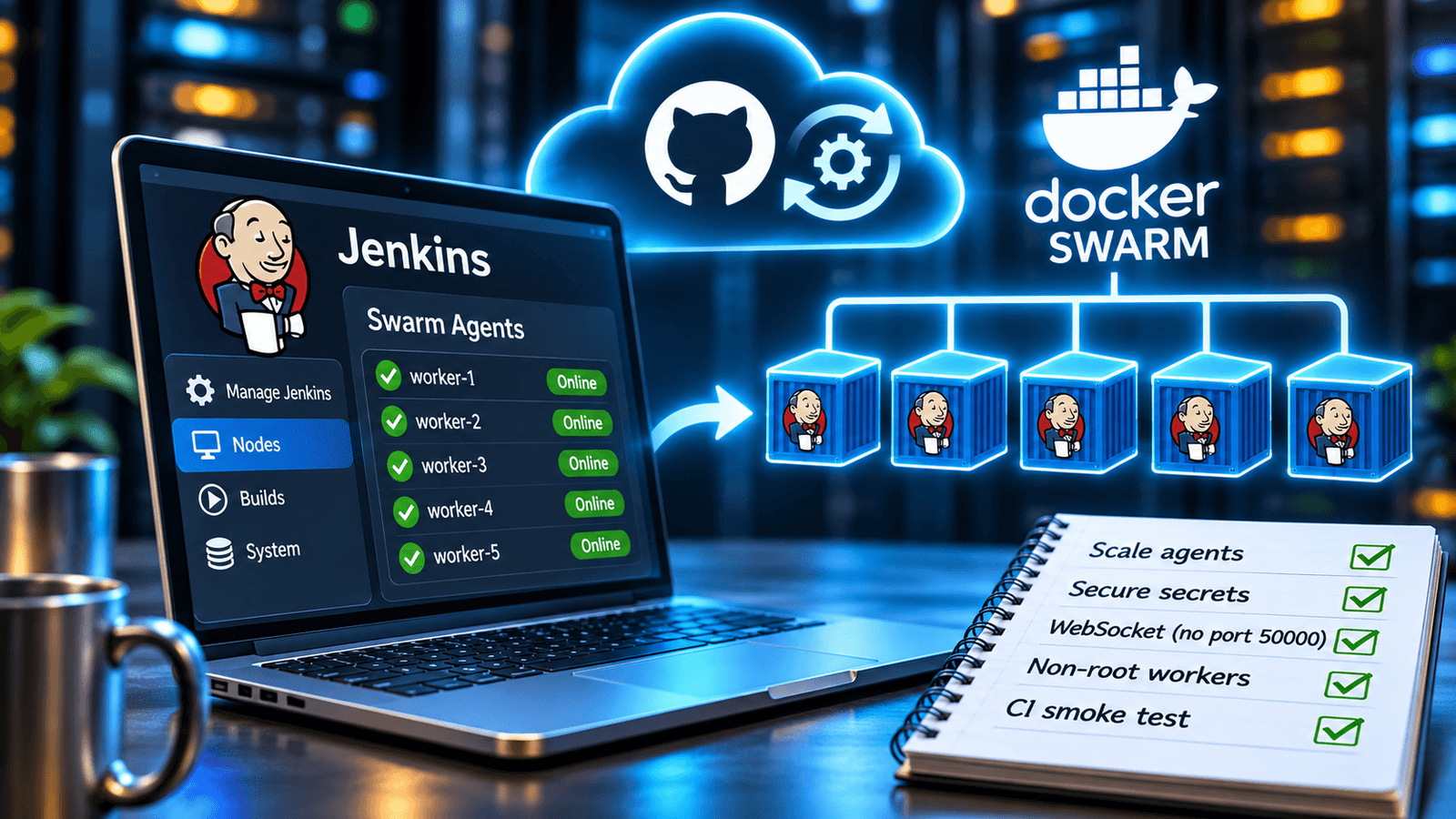
Elastic Jenkins: Scaling Workers With Docker Swarm and the Jenkins Swarm Plugin
Manually registering Jenkins build agents becomes increasingly inefficient as CI/CD infrastructure grows. Combining Docker Swarm with the Jenkins Swarm Plugin allows workers to register automatically and makes scaling build capacity as simple as changing replica counts. But automation introduces trade-offs involving shared credentials, workload isolation and scaling down active builds. A practical implementation demonstrates how WebSocket connections, Docker secrets and CI smoke tests can improve the setup while exposing important security limitations.

Autonomy Without Isolation: How Engineering Leaders Make Collaboration Work
Engineering autonomy is essential to high-performing teams, but independence can quietly become isolation. When teams make decisions without surfacing dependencies or seeking expertise, organizations risk duplicated effort, missed requirements and costly rework. Strong engineering leadership means creating the conditions for collaboration through clear boundaries, better incentives, psychological safety and easy access to knowledge. The goal isn’t less autonomy — it’s ownership that doesn’t come at the expense of teamwork.
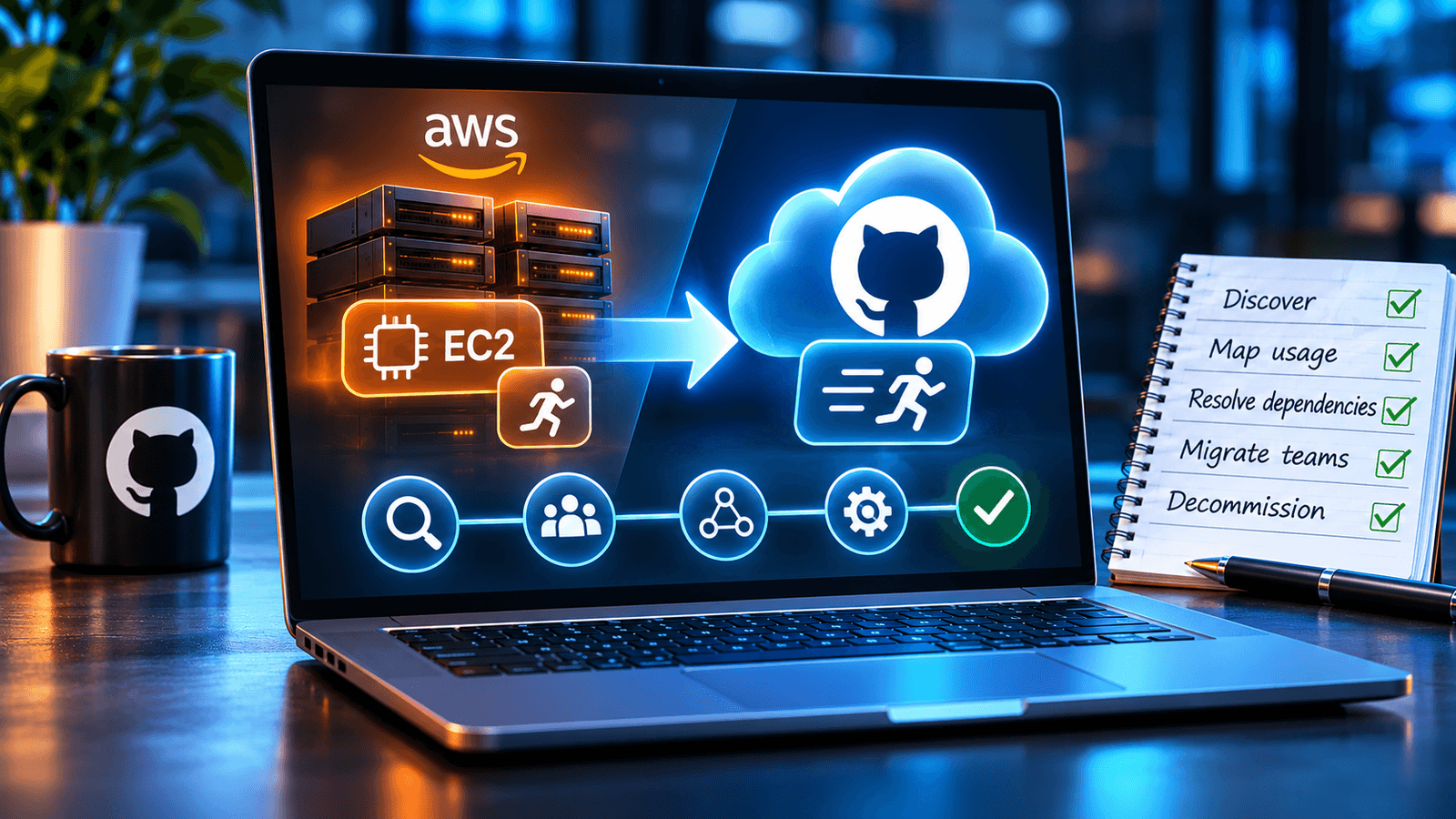
The Hardest Part of a CI/CD Migration Isn’t the Technology
Migrating from EC2 self-hosted GitHub Actions runners to GitHub-hosted runners requires infrastructure discovery, dependency mapping and team coordination.
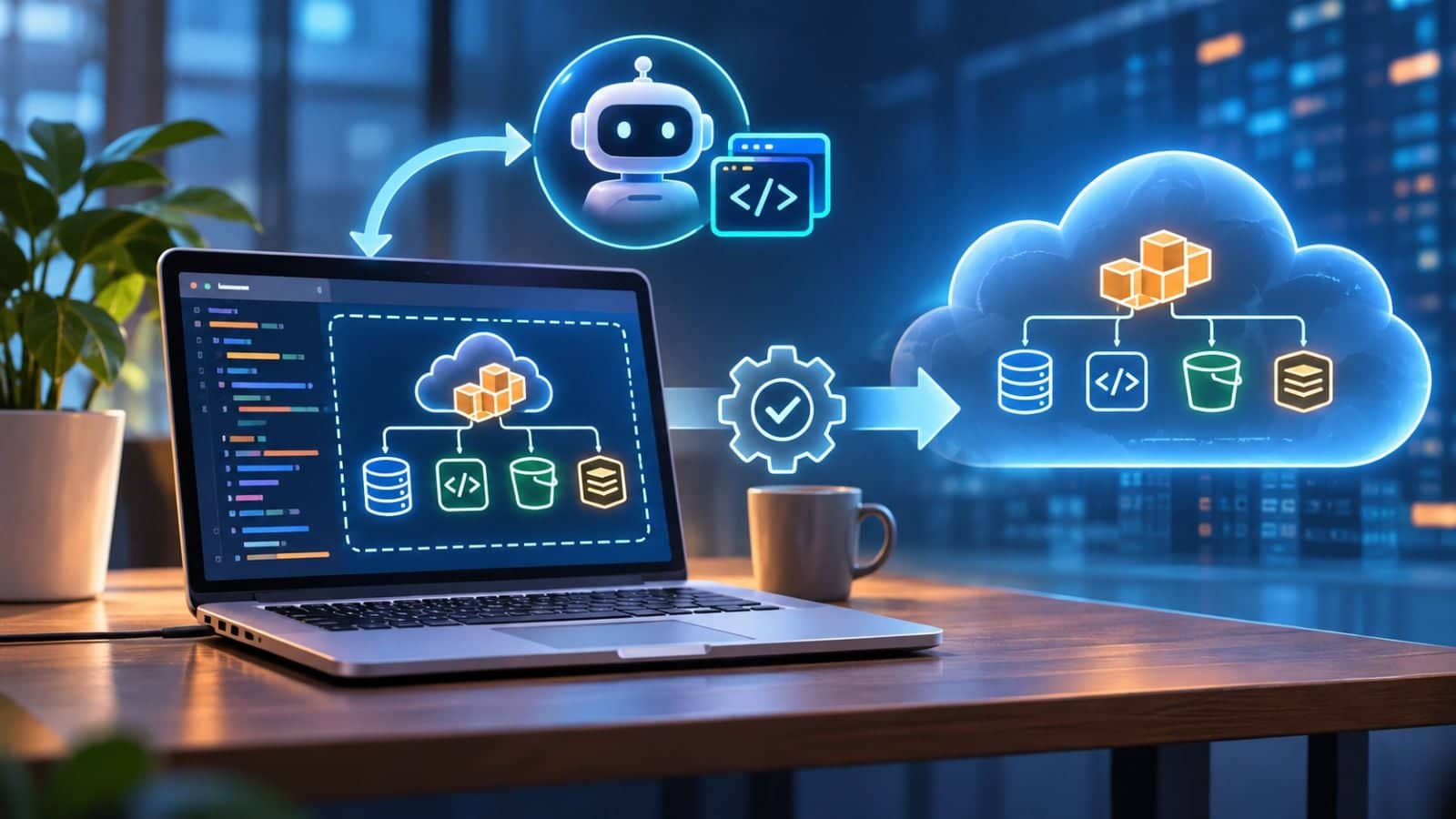
AWS Tool Enables Developers to Build Cloud Apps on Local Machines
Amazon Web Services (AWS) today added an emulation capability that makes it simpler for application developers to build applications on a local machine before deploying them in the cloud. Tom “Spot” Callaway, principal open source software strategist for AWS, said the open source AWS Emulator project makes it possible to build and test applications on […]