



The Observability Tax: When Monitoring Costs Exceed Downtime Costs
Observability costs can spiral when teams collect more telemetry than they actually use. A more mature approach prioritizes the data that directly improves incident detection, diagnosis and recovery.
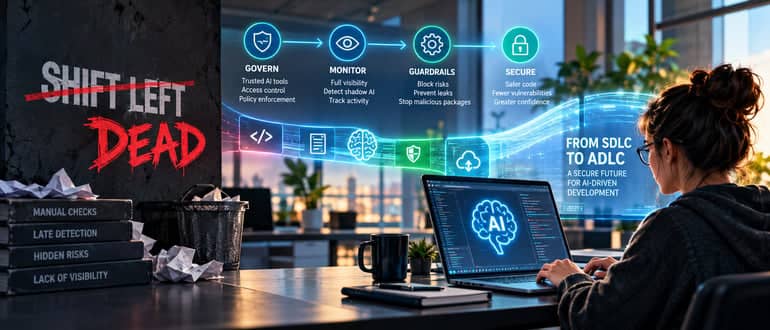
Why Shift Left is Dead
AI-driven development is exposing risks before code is written, forcing security teams to move beyond shift-left and govern agents, prompts, tools and data across the entire development lifecycle.

IT Outsourcing Versus In-House Development
The debate isn’t new — but the stakes are. In 2026, the gap between companies that get this decision right and those that don’t is measured in product cycles, burn rate, and competitive ground lost to faster-moving teams. Most engineering leaders frame the question as a cost problem. It isn’t. It’s a capability and velocity […]

Why Your CI/CD Pipeline Is Your Most Unprotected Attack Surface
CI/CD pipelines often hold privileged credentials, execute third-party code and connect directly to production, making pipeline security one of the most overlooked risks in modern DevOps.
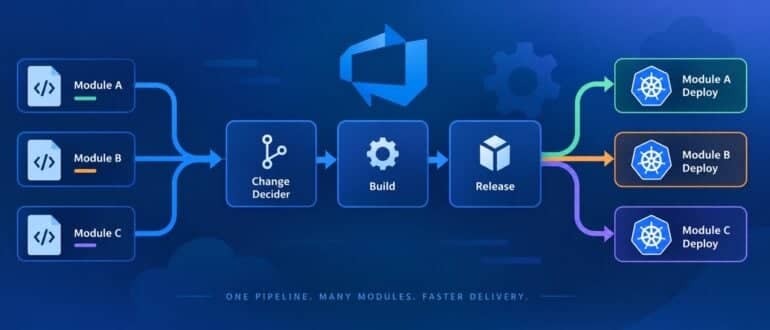
How I Consolidated Duplicate Delivery Pipelines With Parameters and Build Tags
Two modules in a repository had near-identical Azure DevOps build and release definitions. A third would have required another pair. The delivery chain used five definitions: one change decider, two builds, and two releases. I consolidated it into one decider, one generic build, and one release with a deployment stage for each onboarded module. The […]
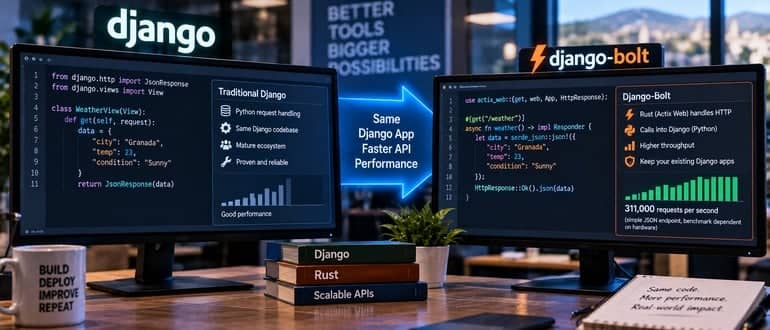
Can Rust Improve Real Django API Performance? Testing Django-Bolt Beyond Synthetic Benchmarks
Django-Bolt uses Rust to accelerate Django request handling, but real-world gains depend on database work, authentication, serialization and where an API actually spends its time.
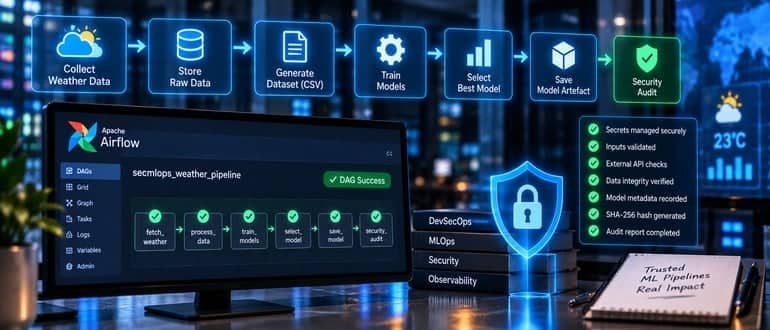
Why MLOps Pipelines Need Security Audits
A practical SecMLOps experiment shows how Apache Airflow ML pipelines can adopt DevSecOps controls for secrets, validation, artifact integrity and auditable security evidence.
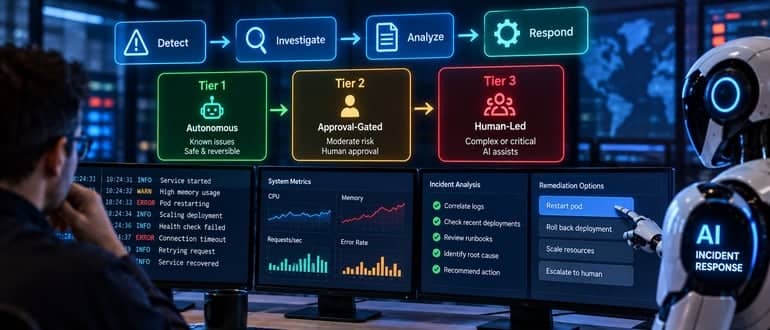
The Three Tiers of Agentic Incident Response: When to Trust AI Autonomy
A three-tier model for agentic incident response balances AI automation with human oversight, matching autonomy to risk, reversibility, blast radius and diagnostic confidence.
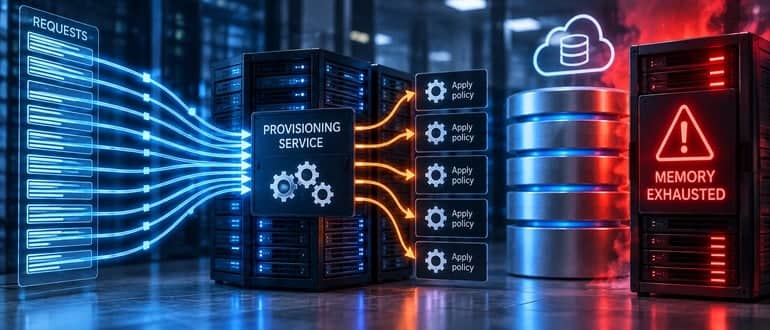
The Most Dangerous Reliability Failures Aren’t Component Failures
A production provisioning failure shows why reliability problems can emerge from interactions between healthy components, and how system-level constraints and feedback can prevent them.
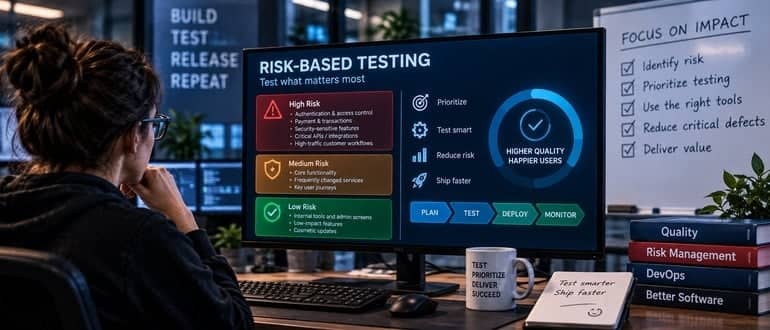
Stop Chasing 100% Test Coverage: Why DevOps Teams Need to Test Smarter, Not More
Every software team eventually runs into the same question: How much testing is enough? For years, the default answer has been “more.” More automated tests. More regression suites. More environments. More devices. But as applications become more complex and release cycles continue to accelerate, testing everything simply isn’t realistic, even with the support of AI. […]

Hybrid Software Development: Benefits and Challenges
Fortunately, companies do not always have to choose between in-house vs outsourcing. Instead they can adopt a hybrid development strategy, which combines the capacities of internal and external IT teams. This approach allows companies to capitalize on the strengths of both traditional software development models, while offsetting their respective limitations, thereby streamlining project execution. However, […]

DevOps’ Three Ways Were Never About Tooling
Somewhere along the way, DevOps became a tooling conversation. Ask someone how mature their DevOps practice is and the answer will often involve CI/CD pipelines, automated testing, infrastructure as code, observability, deployment frequency, or some combination of the above. All valuable tools, but that is often where the conversation ends. They compartmentalize DevOps principles to […]
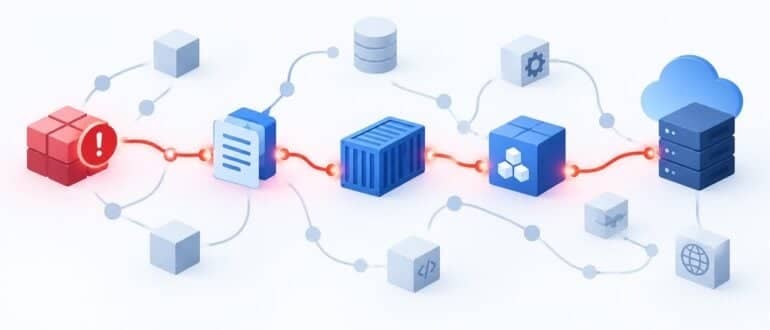
Why AI Agents Shouldn’t Guess at Vulnerability Exploitability
Vulnerability prioritization is not a language problem. The safest agent architectures use models to interpret and explain, while deterministic systems traverse the evidence. Ask a security team a simple question: Of the vulnerabilities your scanner reported this morning, which ones can actually be exploited in production? The honest answer is often that nobody knows yet, […]
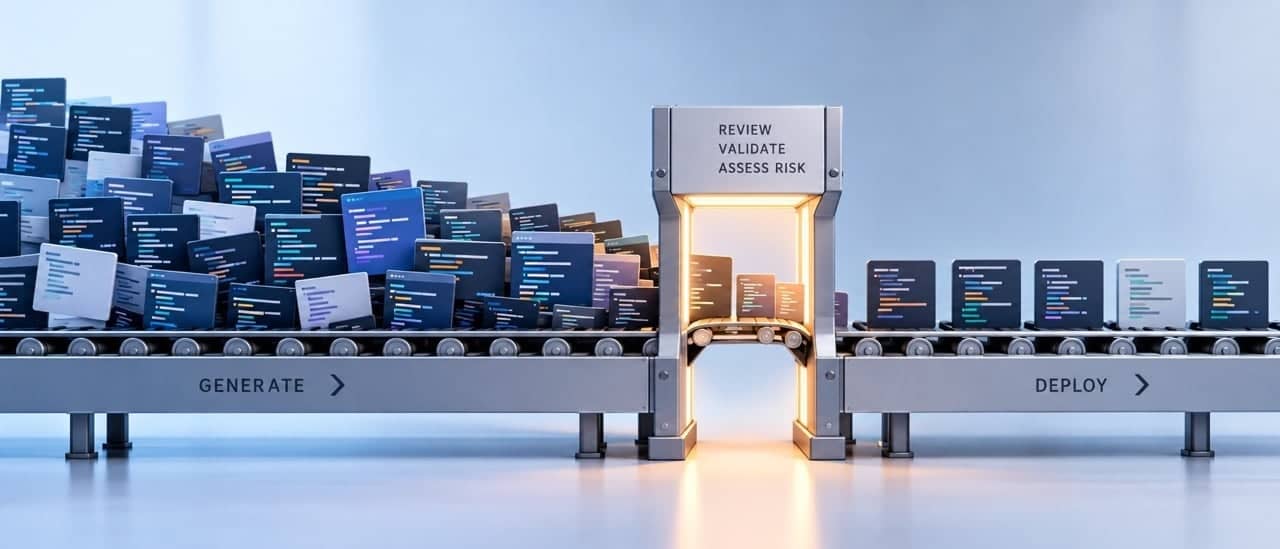
Test Creation Was Never the Bottleneck
Something specific happened to software delivery in the past two years. The 2026 survey data is unusually clear about what it was. Sonar’s 2026 State of Code Developer Survey found that AI-generated or AI-assisted code accounted for 42% of code committed by respondents, with developers projecting that share to reach 65% by 2027. GitLab’s 2026 […]
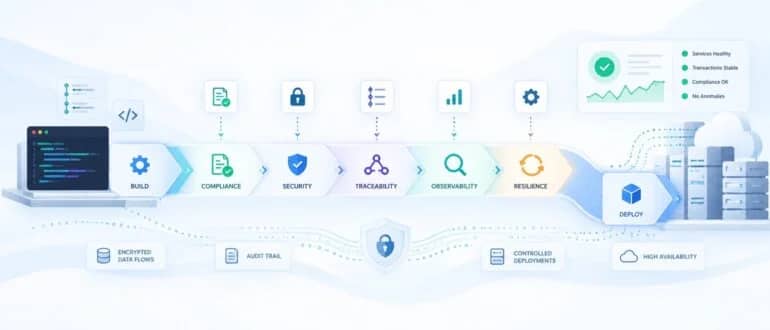
DevOps in Financial Services: Moving Fast Without Losing Control
DevOps is often associated with speed: shorter release cycles, greater automation, faster feedback and increased developer autonomy. In financial services, however, speed is only one part of the equation. A platform supporting banking, payments or other regulated financial workloads also has to account for security, traceability, resilience, access control and operational risk. A deployment that […]

Your DevOps Pipeline Is Already a Sustainability Program
During my doctoral research on modern engineering practices and operational efficiency, one pattern kept surfacing that I did not expect to find. The engineering teams making the most measurable progress on sustainability were not the ones that had appointed green committees. They were the ones running tight DevOps discipline: right-sized fleets, lean pipelines, tuned alerting, […]
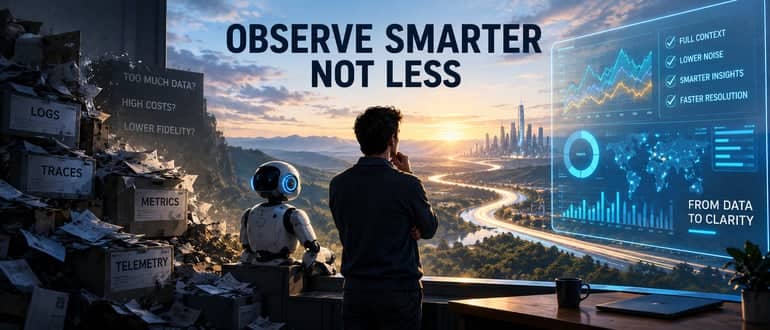
Observability’s Gaslighting Problem: “Send Less Data” Isn’t a Strategy
A familiar pattern is emerging in observability conversations. As telemetry volumes grow and costs rise, the default recommendation is often to collect less data: Sample more, retain less, index selectively, filter earlier, and reduce cardinality until the economics become manageable. Some of this is reasonable. No system benefits from unlimited accumulation without curation. But when […]
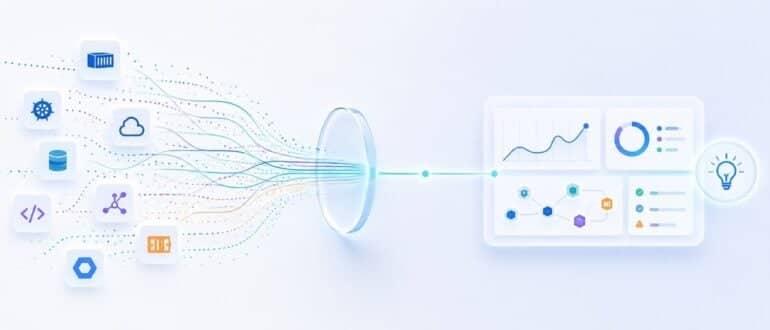
Observability 2.0: Why DevOps Teams Are Moving From Monitoring to Intelligent System Understanding
For a long time, monitoring just meant staring at dashboards and waiting for something to flash red. Engineers tracked things like CPU usage, memory, response times, error rates, and uptime. If a number crossed a certain line, you’d get an alert. Then, someone dived in to figure out what was wrong. That basic approach isn’t […]

GitOps in 2026: Why Pull Requests Are Taking Over Cloud Operations
For years, cloud infrastructure changes were mostly a mystery. An engineer would log into a dashboard, tweak a setting, run a few scripts, and that was it. Nobody worried until something broke. Suddenly, everyone wanted answers. Who changed this? Was it tested? Can we fix it? How did production end up out of sync with […]

Informing Stakeholders Isn’t the Same as Aligning Them
The first sign of trouble was a screenshot. We’d just switched on the A/B test via our feature management platform. Within the hour, a senior stakeholder landed in the variant feature flag, opened the app on their own phone, and sent us an image of it. The message, more or less: “Why is there a […]
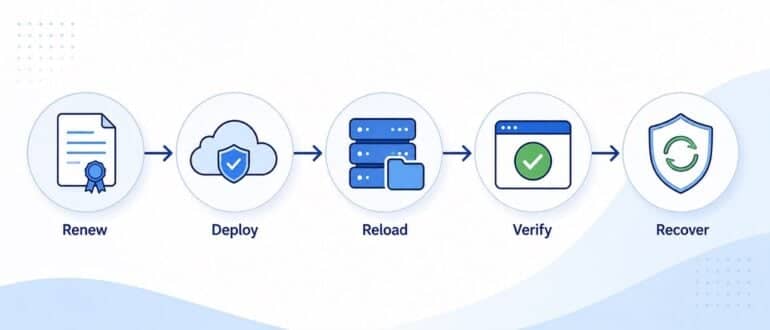
Certificate Renewal Is a Deployment Workflow, Not a Cron Job
Certificate renewal is often treated as a scheduled task: run an ACME client, obtain a new certificate, and move on. In practice, that view is too narrow for production systems. A certificate is not useful because it exists on disk. It is useful because the right service is presenting it to users. Between issuance and […]
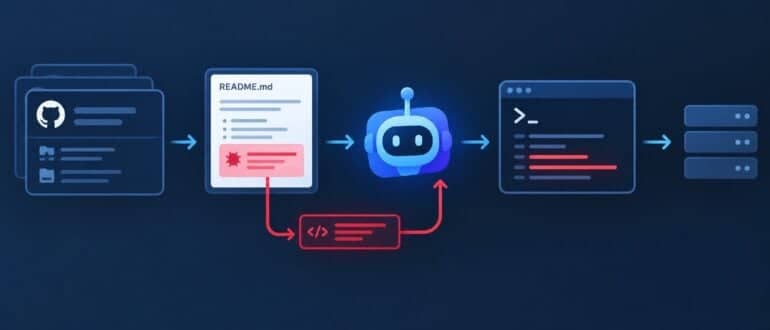
When AI Coding Agents Become Malware Delivery Systems
AI coding agents are becoming part of everyday development work. Developers use them to find libraries, configure projects, troubleshoot installation problems, and set up new tools. An agent can search GitHub, read project documentation, and run commands without the developer having to work through every step manually. That convenience is creating another security concern for […]
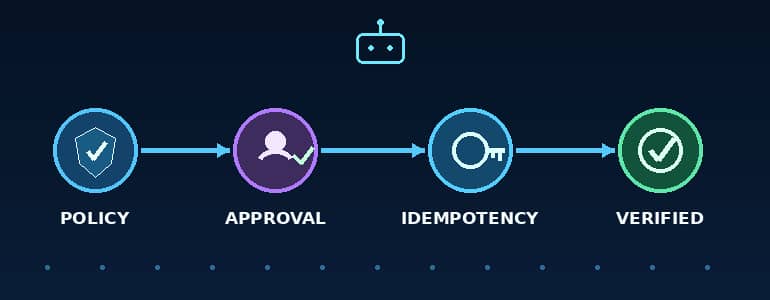
How to Build a Durable Change-Control Gate for AI Agents
AI agents that trigger real-world changes need more than confidence scores. A durable change-control gate should recheck policy, require approval for consequential actions, enforce idempotency and verify the result before retrying.