
TL;DR — Key Takeaways
- Testing alone does not prove a release is production-ready. Business-critical systems also need data integrity, reconciliation, exception handling and operational approval.
- Production validation creates a formal release gate, ensuring issues, dependencies, evidence and sign-offs are resolved before deployment.
- The strongest model combines automation with business judgment, using repeatable workflows, documentation and targeted manual review for high-risk releases.
In an enterprise environment, production failures are more often defined as testing failures, but they include other high-impact aspects, such as release readiness, data quality, exception handling and operational approval. However, the missing layer is not just about conducting more testing. It should include a proper, disciplined review process for the validation of business-critical data and release activity.
The problem is not just about the effect of production on payroll, benefits, reporting, reconciliation or other sensitive operational functions. Production issues can also lead to payment problems, downstream reporting errors, audit concerns and operational disruption. Production readiness should be treated as a business-control question, not just as a software-quality question.
What Production Validation Means
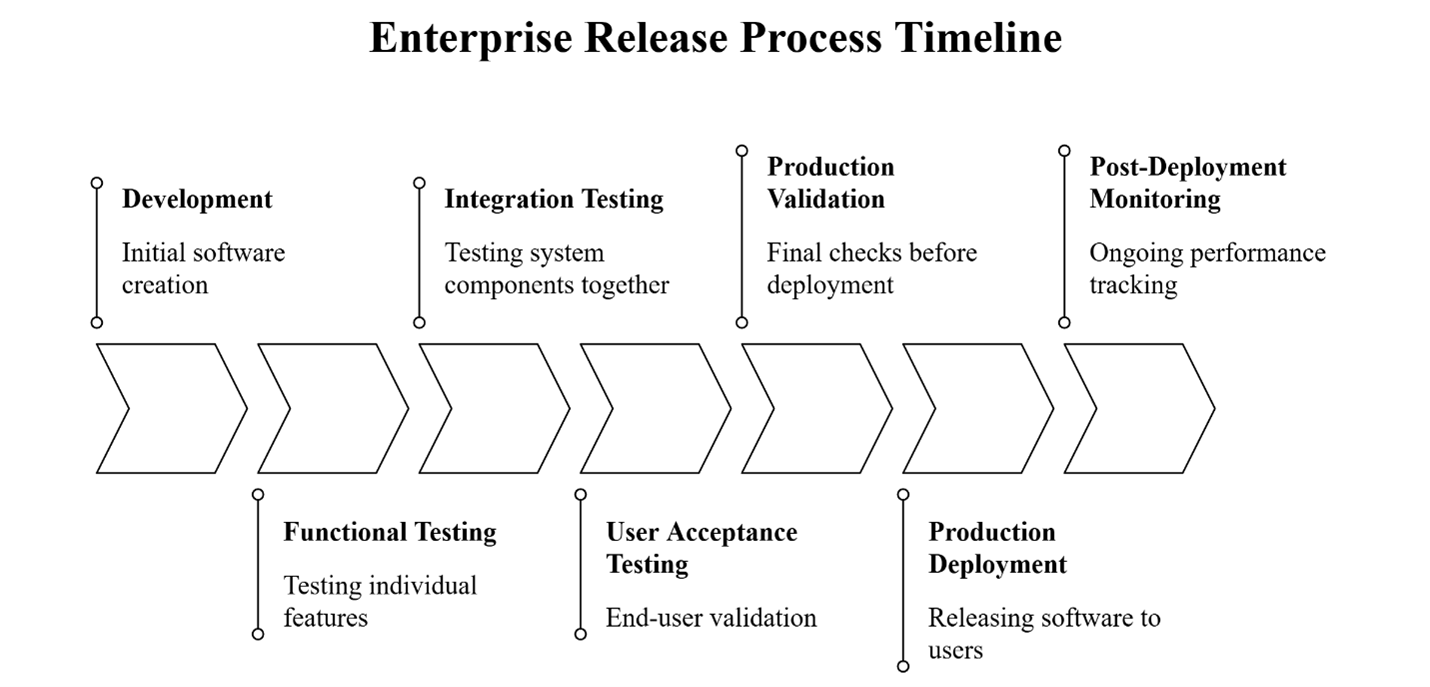
Figure 1: Enterprise Release Workflow Incorporating Production Validation
As illustrated in Figure 1, production validation is the operational discipline that sits between ordinary release preparation and moving changes into the live environment․ It exists to ensure that key records‚ release outputs and downstream expectations have been appropriately reviewed before changes are moved into the live environment․
In contrast to pass/fail testing validation‚ production validation includes checks to determine whether the data is complete‚ exceptions are handled‚ differences are worked out and the release criteria are acceptable for production․ Production validation usually requires multiple views of validation results‚ reconciliation sign-offs between files‚ issue tracking results‚ and proof of approval, testing and readiness for operations․
Why Testing Alone Isn’t Enough
Testing is important‚ but it does not answer every question about whether a given code can be released to production․ The code may work in a test environment and still have problems in production․ This can be due to timing dependencies‚ data-state differences‚ downstream dependencies and business controls in the production environment‚ which are not necessarily covered in standard testing cycles․
Therefore‚ with a test-only approach, bugs can be discovered too late‚ making them difficult to fix once they have reached production in a running application․ Production validation addresses this concern by treating release readiness as a formal gate rather than merely an assumption, as summarized in Table 1․
Table 1: Comparison Between Traditional Testing and Production Validation
| Aspect | Traditional Testing |
| ||||
| Primary Objective | Verify software functionality | Verify operational and business readiness | ||||
| Environment | Test/UAT environment | Production or production-like environment | ||||
| Focus |
| Data integrity, release readiness and operational governance | ||||
| Validation Scope |
|
| ||||
| Outcome |
| Release is approved for safe deployment |
A Practical Model for Production Validation
A useful production-validation model describes a set of interrelated control practices that build confidence in an upcoming release before rollout (Figure 2)․
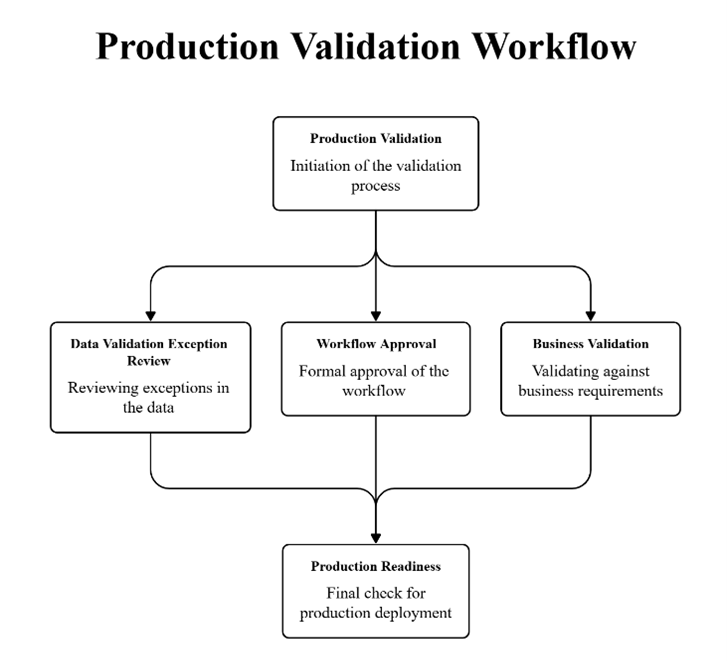
Figure 2: Core Components of the Production Validation Process
1. Structured Pre-Production Review
Some or all records and expected outputs may be checked against business rules and operational expectations to determine whether key data changes are complete‚ expected outputs are present and the release appears safe from a business-risk standpoint before the release is approved to proceed to the next stage․
The purpose of this is not only to check technical correctness‚ but also to assess whether the release is sufficiently trusted for use in production․
2. Exception Review and Correction
A good validation solution should provide the ability to generate reports of discrepancies‚ review affected records and ensure that issues are addressed prior to moving the release to production․ For many organizations‚ this is done through exception summaries‚ discrepancy reports‚ reconciliation reports or other review-oriented artifacts․
This is worthwhile because it helps prevent teams from treating exceptions as background noise and reinforces that exception handling is part of the release governance process․
3. Workflow-Based Release Discipline
When production validation is included in the workflow‚ it helps ensure that releases are reliable because the status of issues‚ validations‚ dependencies and approvals is explicit․ This means that a release is ready to go‚ not just because the team says it is ready‚ but because it has reached a valid state․
Incorporating workflow-based governance allows for better traceability of validation activities and reduces the likelihood of skipping important validation activities to meet deadlines․
4. Documentation and Repeatability
Standardized procedures are used to verify releases rather than relying on memory․ Validation checklists and runbooks provide a disciplined approach to repeatable execution of software releases․
Aside from promoting consistency‚ this documentation also provides defensibility in high-risk environments that require teams to justify why they believe a release is safe for delivery beyond the review performed․
5. Manual Business-Level Validation
In critical scenarios‚ manual review still matters․ Some production decisions are subjective‚ requiring judgment above and beyond post-release checks․ Conducting review activities before and after a release‚ comparing expected and actual results and analyzing differences at the business level can help identify problems that a technical verification process might overlook․
Manual validation should not be seen as a weakness because it is often the final check to determine whether moving a release into production is truly safe․
What This Changes Operationally
The value of production validation doesn’t come from adding a single tool; rather, it adds review‚ correction‚ documentation‚ workflow discipline and operational evidence to the release-readiness process for the production system․
Organizations can benefit from this strategy in several ways:
- Defective records are less likely to be produced․
- Exceptions are identified earlier․
- Release approvals become less difficult․
- Teams have better traceability into what was reviewed and resolved․
- Operational reliability improves for business-critical systems․
This transition is more than a semantic one․ Over time‚ organizations can mature from passive release confidence to production assurance․
Why This Matters in Regulated Environments
For regulated or high-accountability environments‚ a faster release is not enough; demonstrating control is also necessary․ When sensitive records‚ reporting requirements or downstream financial results are impacted by a production change, teams must be able to describe how the change was reviewed‚ what risks were identified and why it was approved․
That is why production validation should be considered a separate operational discipline and not just an extension of testing․ It is not just a question of database controls․ The important question is whether an artifact locked for production has been sufficiently reviewed‚ corrected‚ documented and controlled before being used in production․
Conclusion
Enterprise release failures do not necessarily mean that nothing was tested‚ but rather that the definition of ‘production-ready’ was too narrow․ In data-heavy‚ high-risk systems‚ safe release management requires a wider operating model that includes review processes‚ exception handling‚ workflow governance‚ documentation and business validation of processes and workflows․
That is the missing layer in many release programs․ With a disciplined production-validation approach‚ organizations can reduce the risk of losing valuable operational data before defects lead to financial‚ reporting or regulatory issues․

Frequently Asked Questions
What is production validation?
Production validation is the disciplined review of data, exceptions, dependencies, business rules and approvals that determines whether a release is operationally safe.
How is it different from traditional software testing?
Testing focuses on software correctness. Production validation looks more broadly at business readiness, data quality, reconciliation, exceptions, approvals and downstream operational impact.
Why is production validation important in regulated environments?
It creates evidence showing how a release was reviewed, which issues were resolved, who approved it and why the organization considered it safe to deploy.