


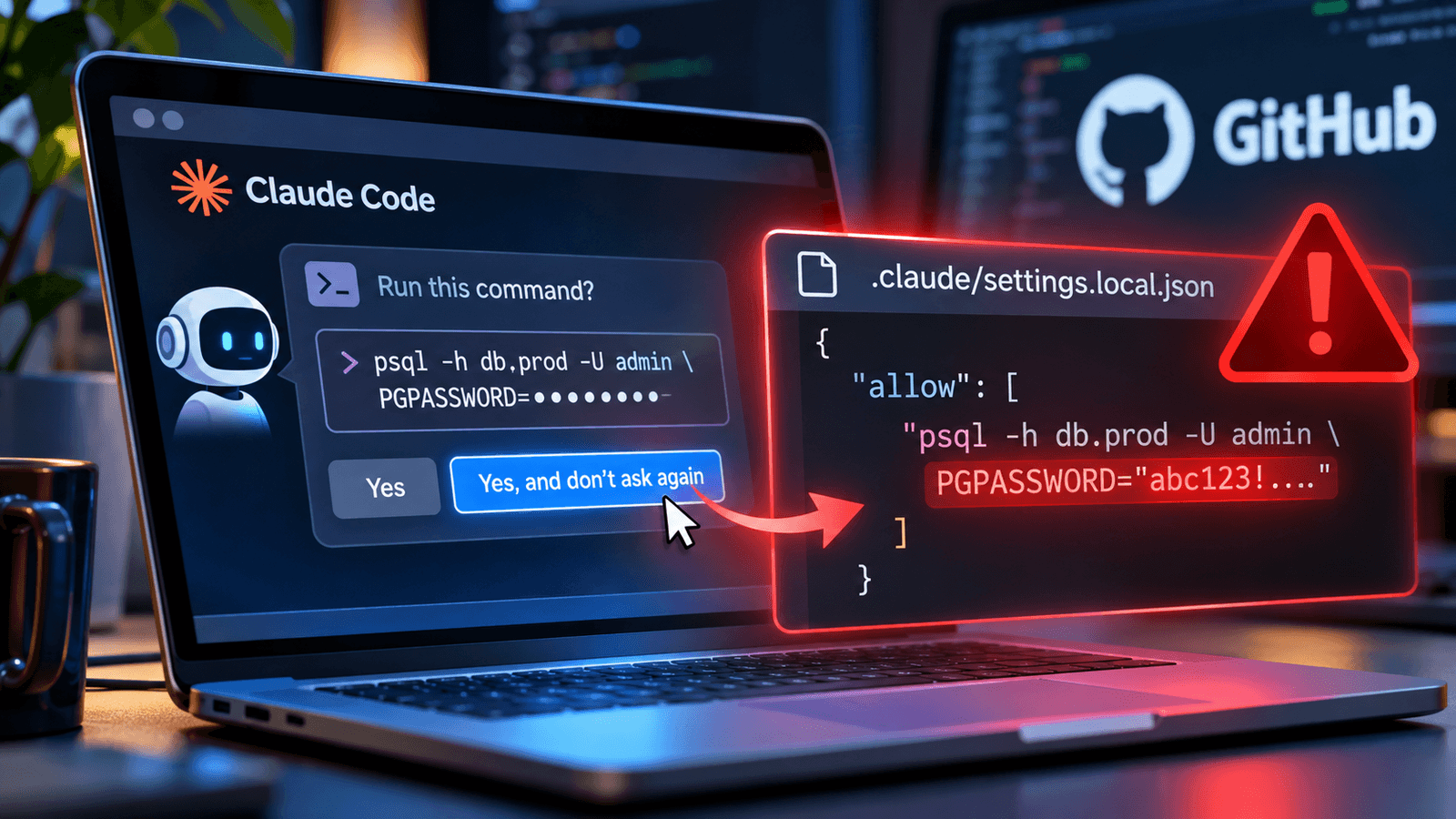
The Convenience Click That Put 2,539 Secrets on Public GitHub
A new Apiiro investigation reveals how Claude Code’s “don’t ask again” command approvals can inadvertently expose sensitive credentials in GitHub repositories. Researchers identified 2,539 distinct secrets across 1,994 repositories, including database passwords, API keys and SSH credentials. The findings highlight a growing security blind spot as AI coding agents quietly turn developer convenience into persistent security policy.
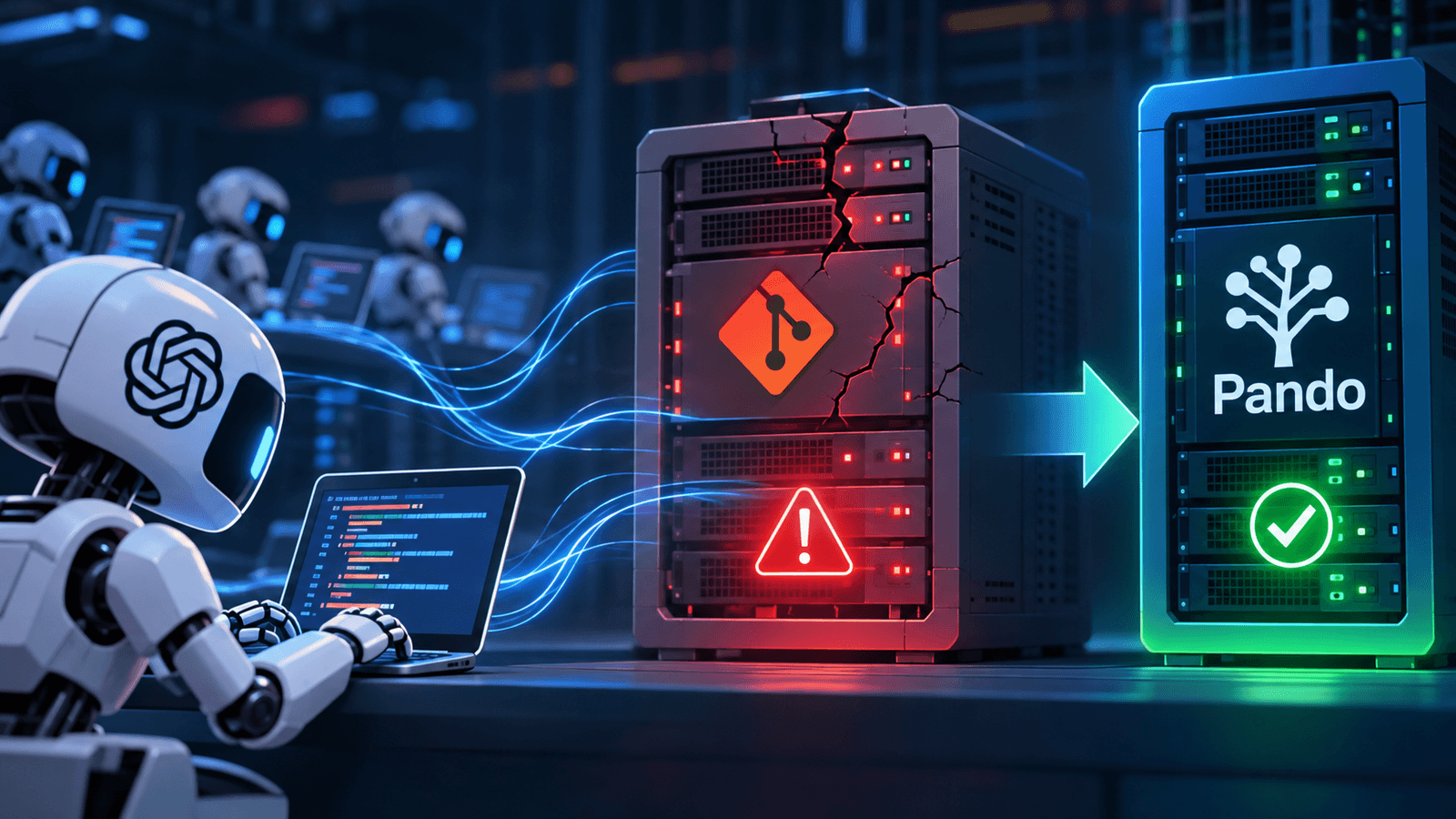
OpenAI Kept Git and Rebuilt Everything Behind It
OpenAI has rebuilt the Git infrastructure behind its monorepo to handle the explosive growth in activity driven by Codex coding agents. Its new Rust-based backend, Pando, reduces median push latency by approximately 80% while moving nearly a petabyte of Git data daily. The project highlights why DevOps teams must rethink infrastructure designed for human developers as autonomous agents reshape software delivery.
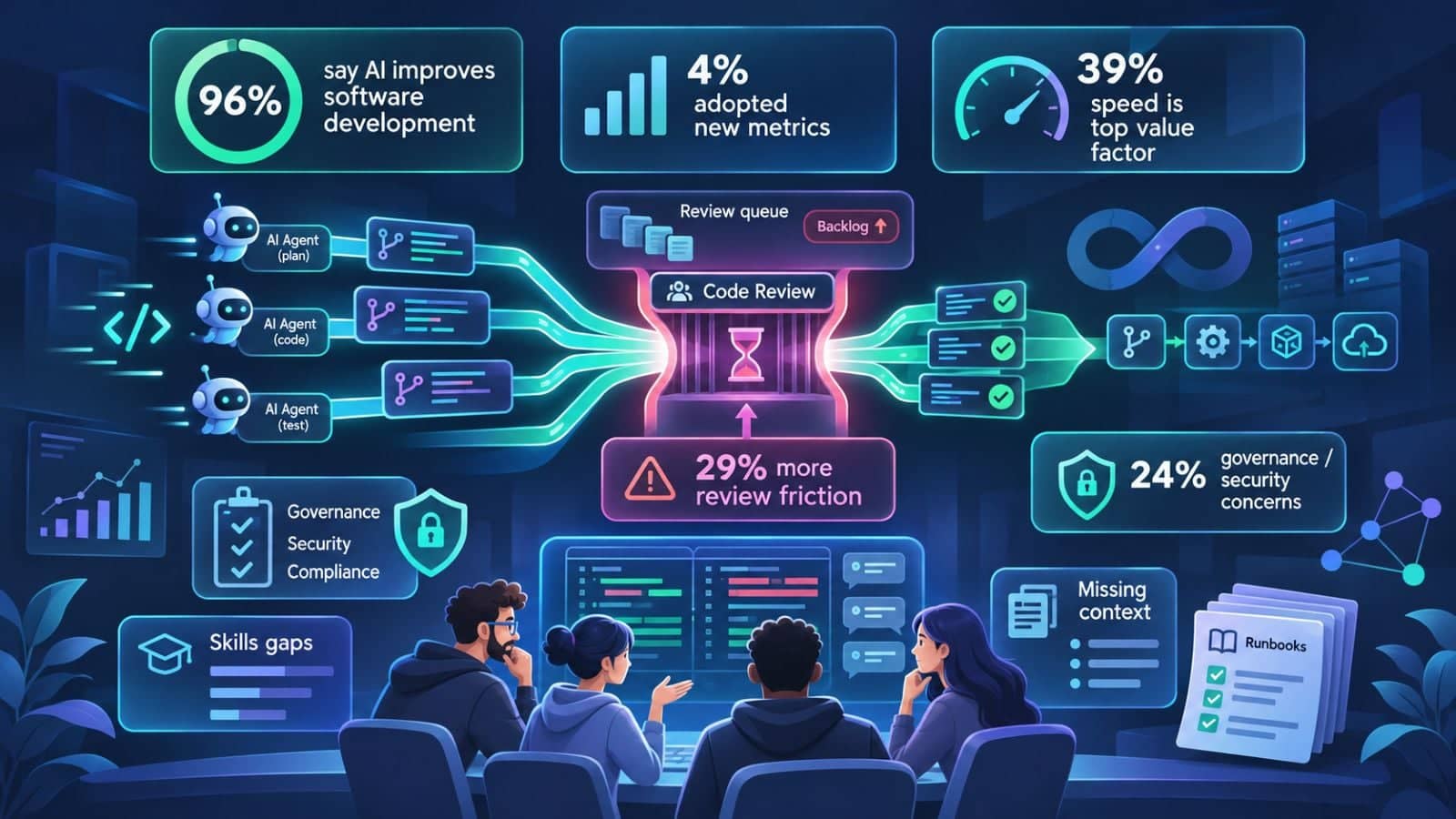
Survey: Need for Speed Tops All Other AI Coding Metrics
A Uplevel survey of 428 engineering and technology leaders reveals a widening gap between AI coding adoption and the ability to measure its business value. While 96% believe AI is improving software development, just 4% have adopted new metrics, and growing code review demands threaten to undermine productivity gains.
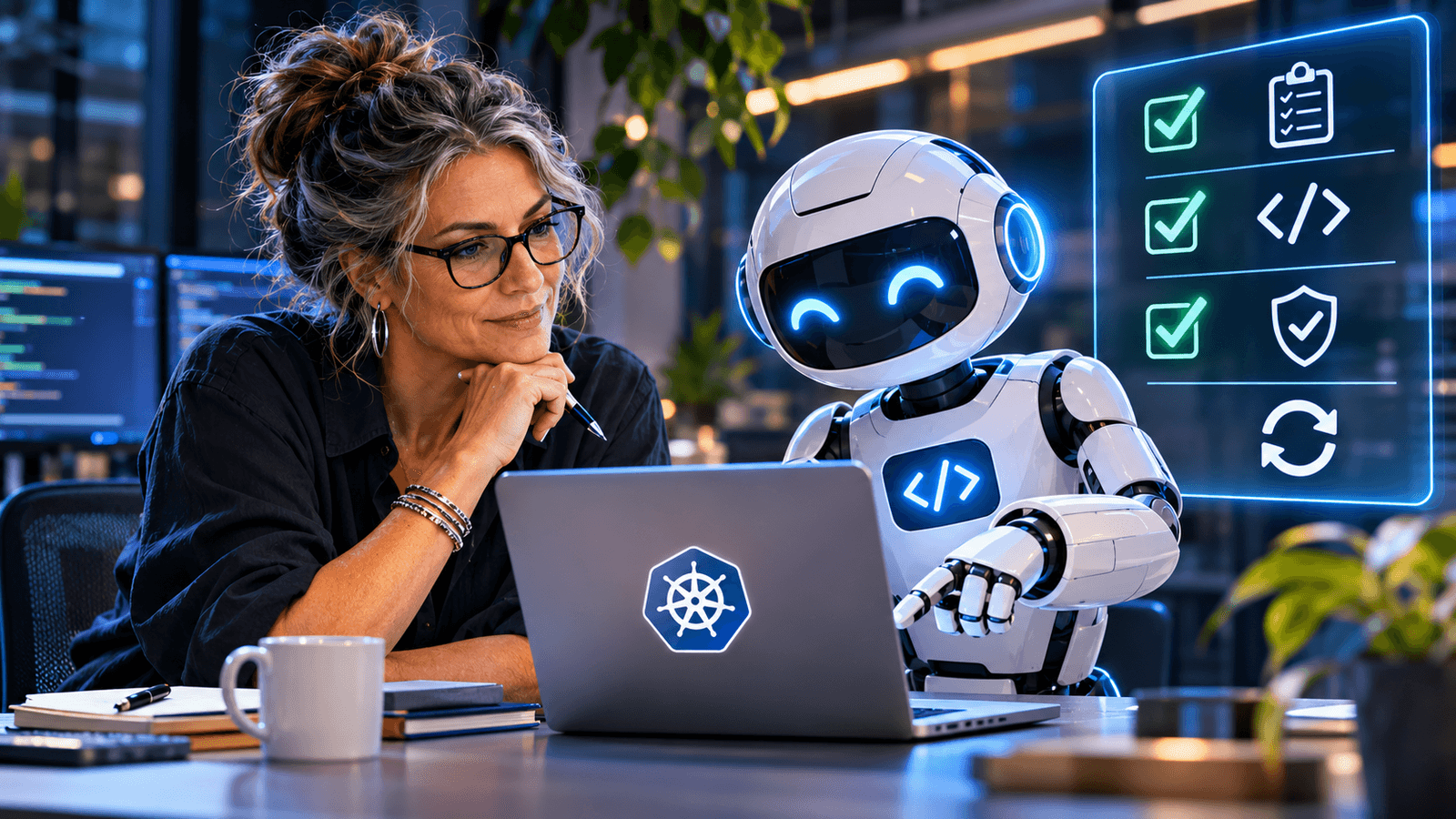
I Don’t Just Manage Engineers Anymore. I Manage Agents Like a Team
AI coding agents are no longer just productivity tools. They’re becoming active members of engineering teams, opening pull requests, triaging tickets and handling operational tasks. But managing them requires more than better prompting. Engineering leaders must establish clear assignments, standing orders, automated verification and feedback loops that turn autonomous agents into reliable contributors without sacrificing human judgment.

The Agent Did Exactly What We Let It Do
From Replit’s database deletion to the Nx supply chain attack, AI agent failures expose a dangerous truth: The biggest risk isn’t intelligence, but unchecked authority.
OpenAI Acquires Pierre Computer to Expand Codex, Challenge GitHub
OpenAI has announced plans to acquire developer tools startup Pierre Computer, a deal that will expand the capabilities of its Codex AI coding platform and position the company as a more direct competitor to Microsoft’s GitHub. The acquisition will bring Pierre’s Code Storage technology into Codex, enabling OpenAI to offer more of the infrastructure needed […]
Gas Town Builder: All AI Software Factories Are Bespoke
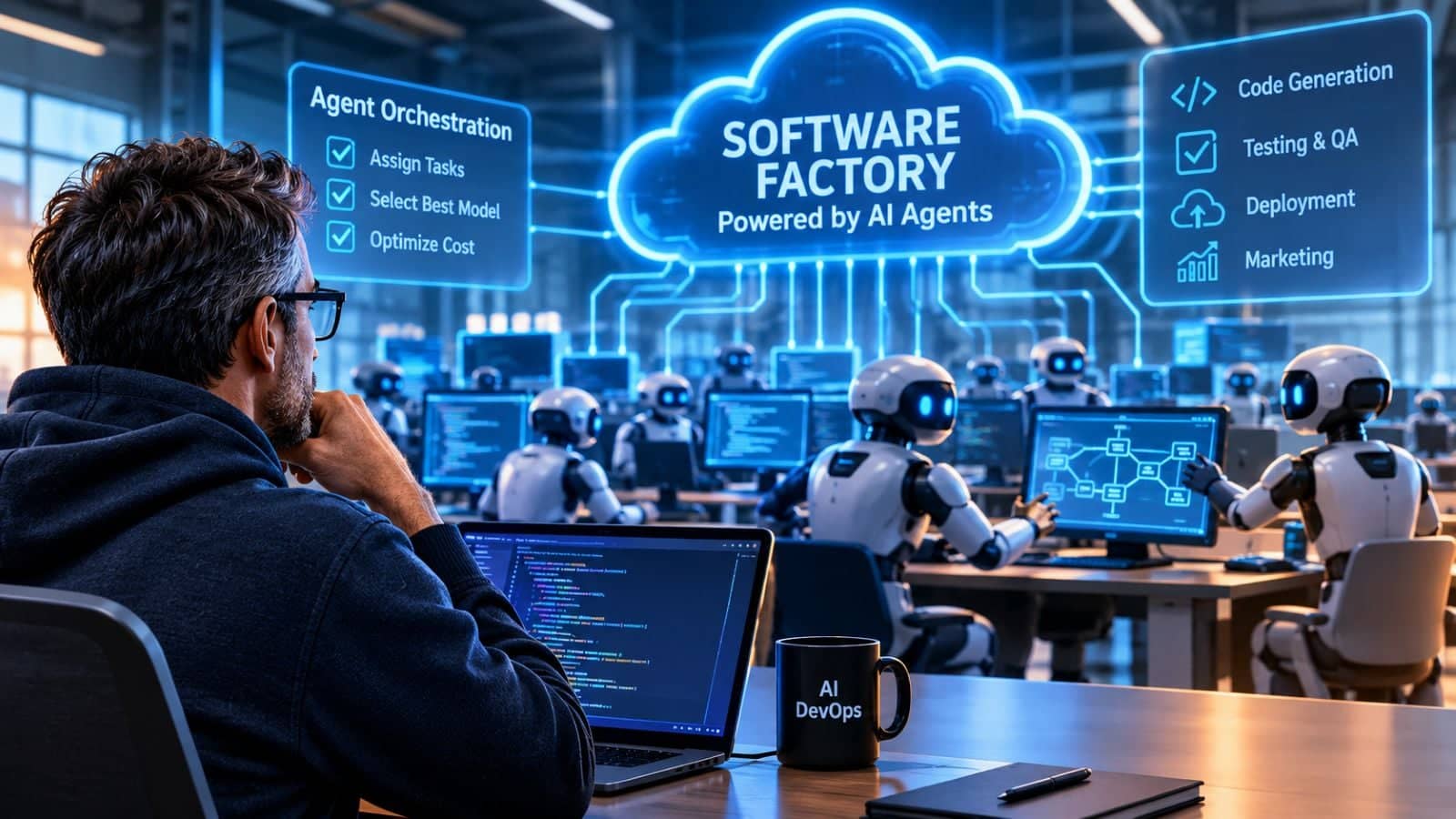
Gas Town creator Steve Yegge warns that AI-powered software factories are inherently bespoke and require ongoing human supervision. As autonomous agents take on more development tasks, DevOps teams must evolve into leaders capable of managing AI behavior, resolving conflicts and guiding software innovation.
Your CI Retries are Hiding Real Bugs
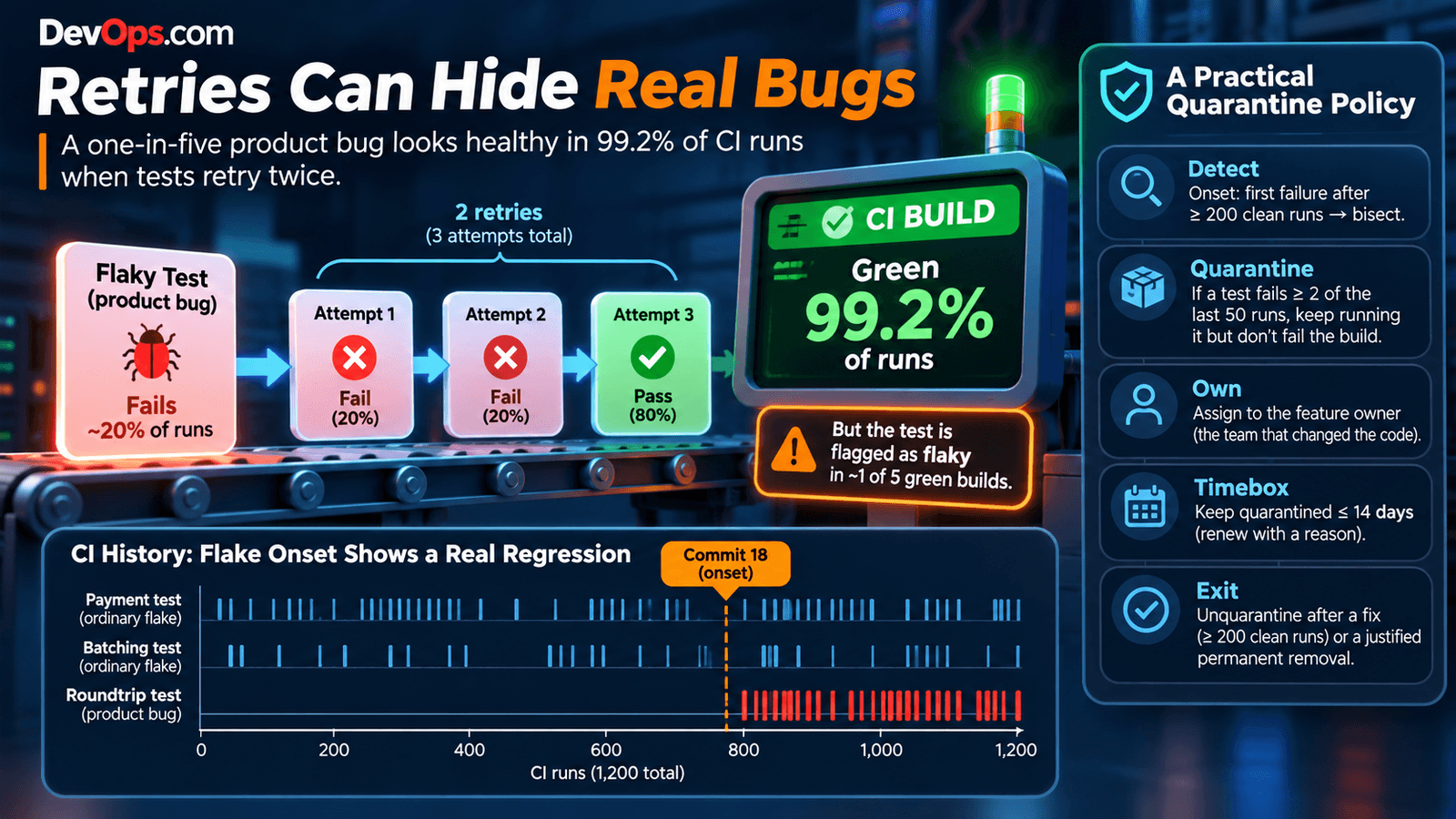
Test retries keep CI pipelines green, but they can also conceal genuine software defects. An experiment involving 41,200 test runs shows how a persistent bug escaped detection in 99.2% of builds and why DevOps teams need to rethink flaky-test management, regression detection and quarantine policies.

AI Coding Assistants’ Built-In Browsers Open a Path to Developer Secrets
Security researchers uncovered a class of embedded-browser vulnerabilities affecting five popular AI coding tools, including Cursor, Copilot, Codex, VS Code and Claude Desktop. The findings reveal how malicious pages can exploit trusted AI workflows to steal credentials, access local files and even persuade agents to disable their own safeguards.

DeepSeek Wants Coding Agents to Stop Waiting for Instructions
DeepSeek’s open-source Super-Agent prototype replaces isolated coding sessions with an always-on system that coordinates multiple AI workers, responds to development events and can initiate bug fixes without direct prompting. For DevOps teams, the promise of autonomous development brings new challenges around permissions, pipeline security, observability and code verification.

IBM Extends Scope and Reach of DevSecOps Workflows in the AI Era
IBM is expanding its Terraform infrastructure-as-code platform and Bob AI coding assistant with new policy-as-code capabilities, automated vulnerability remediation and AI governance integrations. Announced at IBM TechXchange 2026, the updates aim to help DevSecOps teams securely manage infrastructure and accelerate software delivery as AI agents become more deeply embedded in development workflows.

Amazon Warns Engineers Against Tokenmaxxing as AI Costs Mount
Amazon has issued new guidelines for its software engineers that discourage excessive use of AI tools simply to boost productivity metrics, signaling a shift in how the company evaluates AI’s contribution to software development. The guidelines address tokenmaxxing, a practice in which employees use huge volumes of AI tokens to demonstrate their use of the […]

Report: Claude Code Exceeds GitHub Copilot for Merging Pull Requests
An analysis of pull requests published today by Jellyfish, a provider of an engineering intelligence platform, finds that Claude Code is the artificial intelligence (AI) coding tool used most often to merge pull requests (31%), followed by GitHub Copilot at 23%. Based on analysis of 100 million pull requests made in September by 276,000 developers […]

Gheist Hackers Abuse GitHub Tokens to Steal Repository Secrets
The evolving Gheist campaign uses stolen GitHub tokens and malicious Actions workflows to extract repository secrets and cloud credentials. While GitHub protections have blocked observed attacks on public repositories, private environments remain exposed.

Ten Great DevOps Job Opportunities
DevOps.com is now providing a weekly DevOps jobs report through which opportunities for DevOps professionals will be highlighted as part of an effort to better serve our audience. Our goal in these challenging economic times is to make it just that much easier for DevOps professionals to advance their careers. Of course, the pool of […]

Recursive Flint Puts a Fast Agentic Coding Model on Developers’ Laptops
Recursive has unveiled Flint, a 40-billion-parameter, open-weight coding model designed to run locally on developer hardware. Built with help from the company’s Eureka Machine research system, Flint promises faster inference, greater source-code privacy and freedom from per-token API fees. For DevOps teams, the launch raises fresh questions about AI agent governance, code quality and continuous model evaluation.

When 200 OK Isn’t OK: Observability for LLM Systems
Traditional monitoring can show an LLM-powered application as healthy even when it delivers incorrect answers. Drawing on experience at Varo Bank, this article explains why AI observability must go beyond the four golden signals and how automated evaluation, groundedness checks and CI pipelines can catch silent failures before they reach customers.
The Automation Confidence Gap: When Should AI Be Allowed to Change Production?
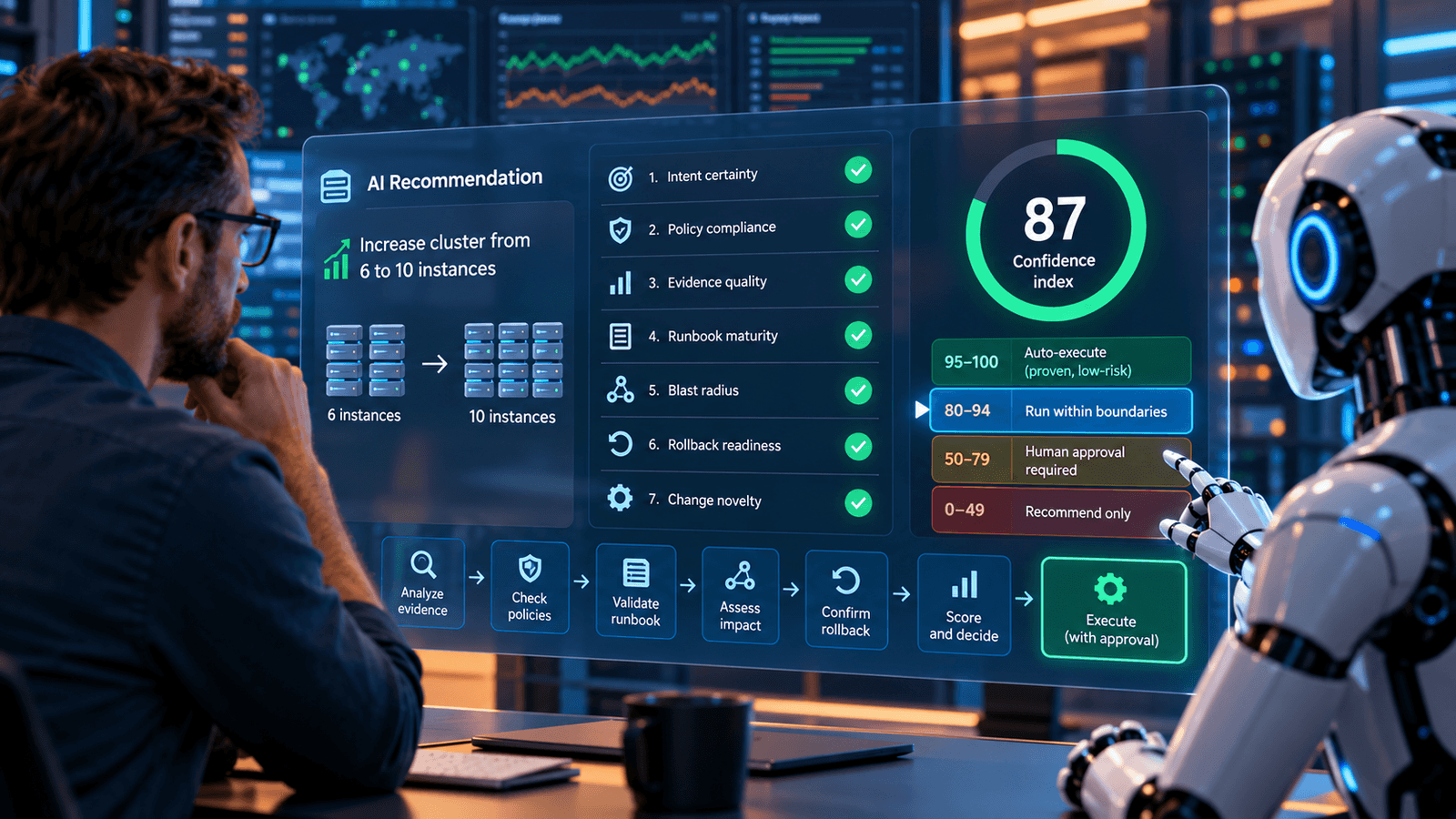
AI-generated infrastructure recommendations can look convincing, but production execution requires more than a plausible runbook. A seven-factor confidence index helps platform teams determine when AI should recommend, seek approval or execute changes within strictly enforced boundaries.

Hackers Inject Credential-Stealer, RAT Into LiteLLM
Attackers compromised a version of LiteLLM this week by injecting malicious code into all seven of its published Python wheels on PyPI, delivering a package that included an infostealer to exfiltrate credentials and secrets and a remote access trojan (RAT) that could let bad actors run arbitrary code on infected machines. The compromised version – […]
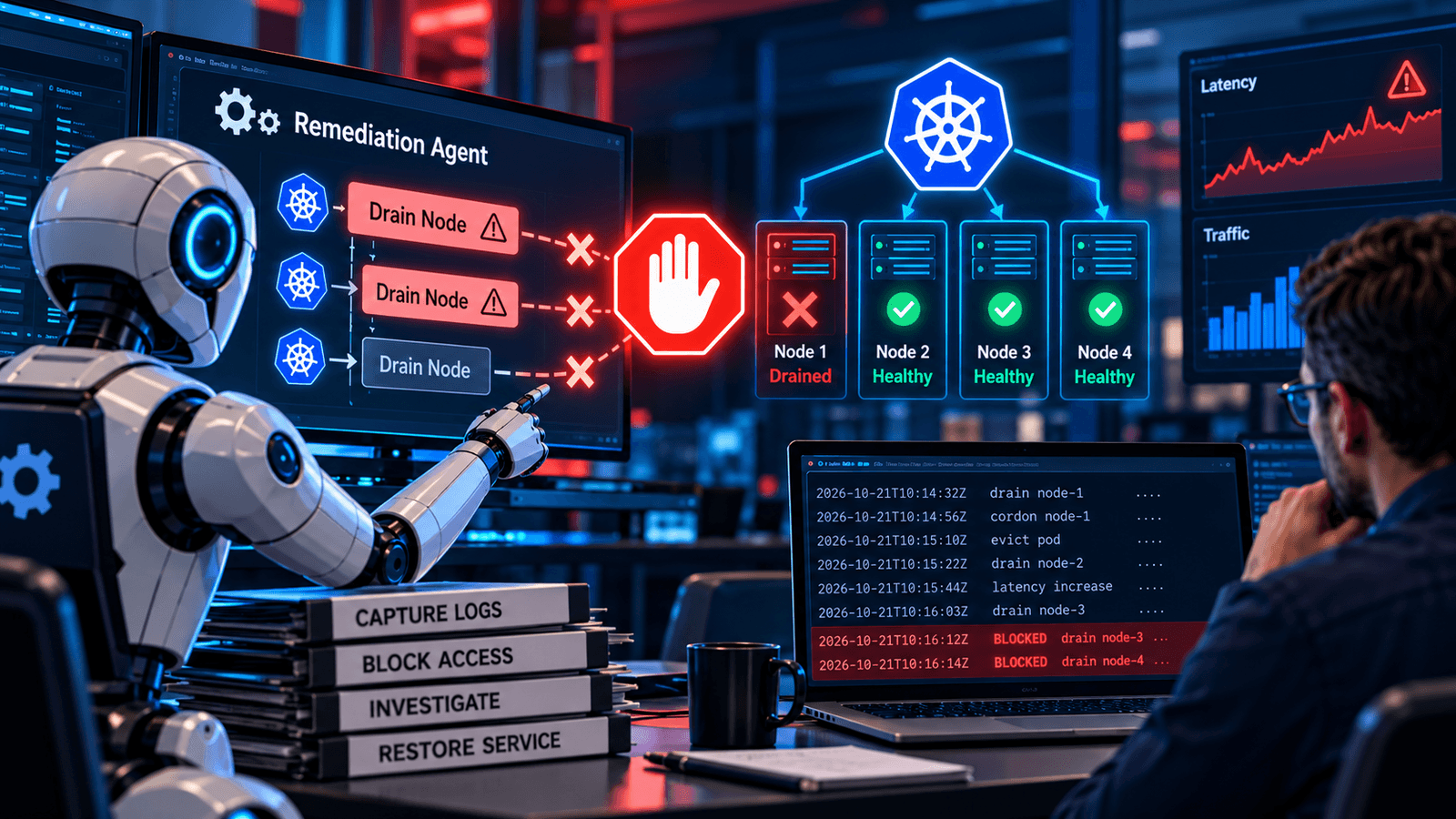
When the Agent is the Incident
When AI remediation agents make the wrong infrastructure decisions, automated fixes can quickly escalate into major incidents. This seven-step incident response playbook explains how to stop unsafe agent actions, block tool access, preserve forensic evidence and restore services without triggering further damage. A Kubernetes simulation demonstrates why stopping an agent worker alone is not enough.
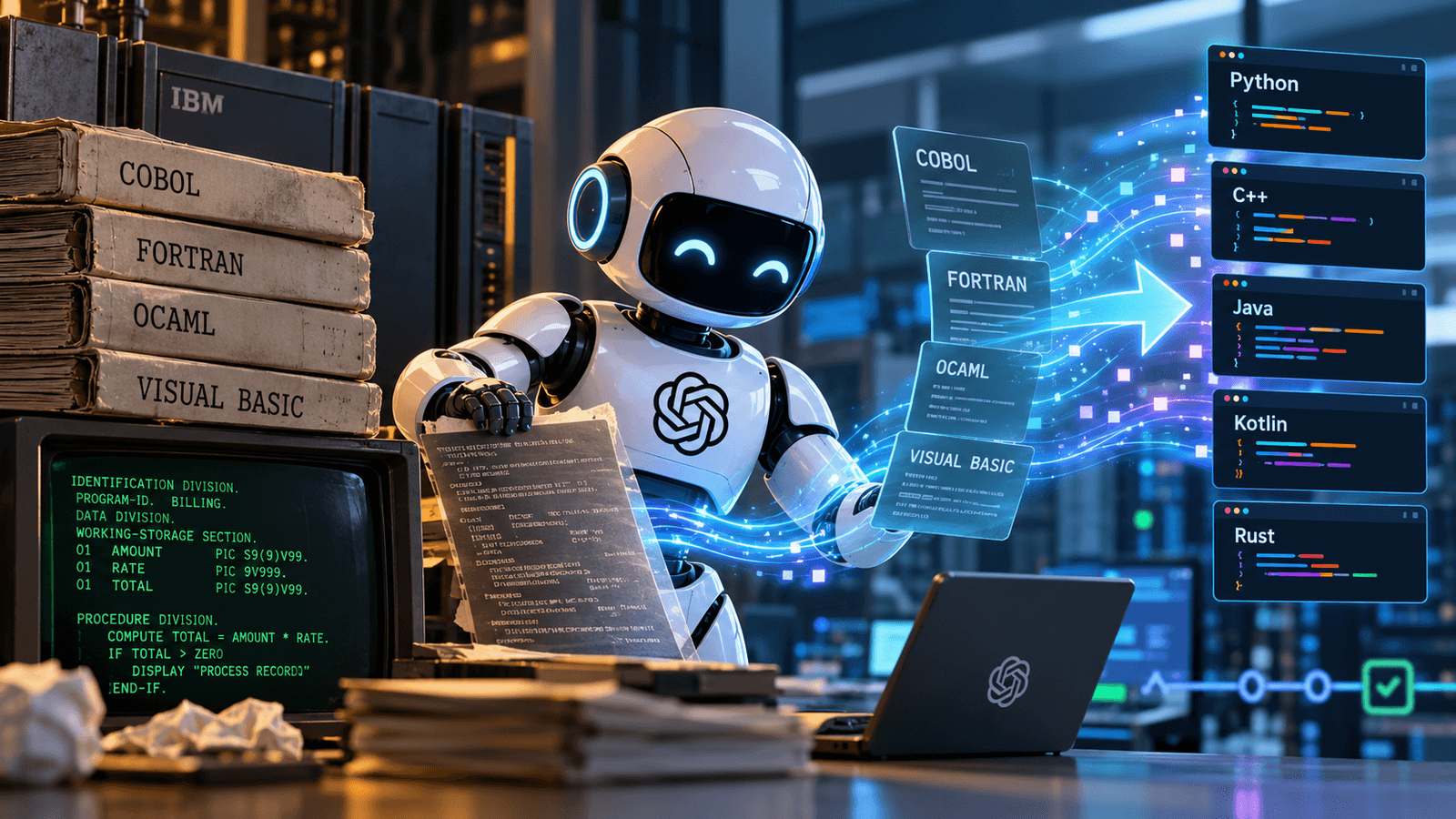
OpenAI Puts COBOL Migration to the Test, and Its Newest Models Mostly Pass
OpenAI’s latest coding benchmarks show substantial improvements in handling COBOL, Fortran and other low-resource languages. But for DevOps teams modernizing legacy applications, translating code is only half the challenge. The real test is preserving business logic, arithmetic precision and production behavior.
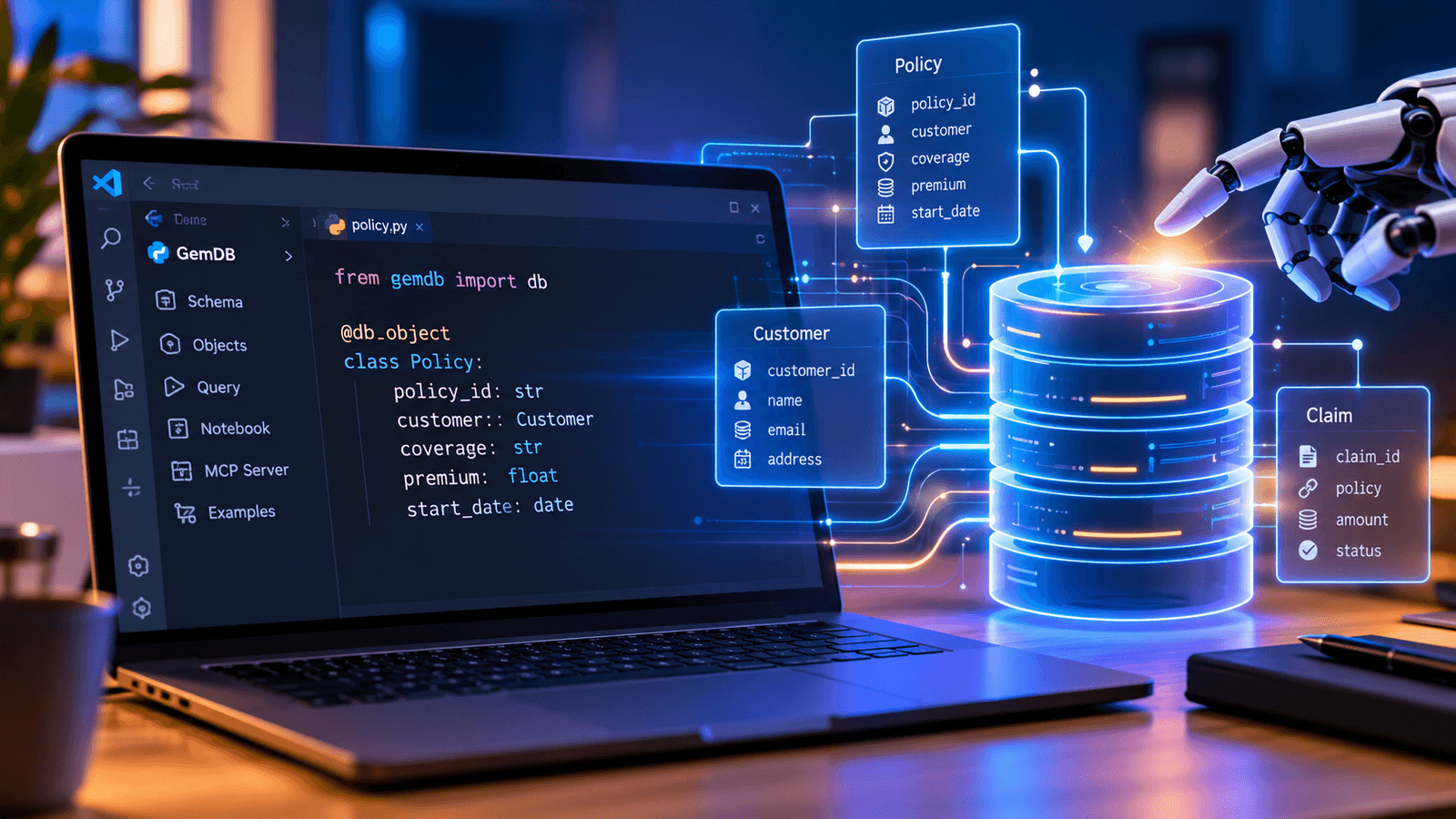
GemDB Extension Uses Code to Update Database
GemDB has introduced a Visual Studio Code extension that enables developers and AI coding agents to create, modify and persist database objects directly through Python code. With integrated Jupyter Notebook and MCP support, GemDB Code aims to eliminate traditional schema migrations, simplify database management and accelerate DevOps workflows.

Coding Agents Moved the Bottleneck From Writing to Reviewing PRs
AI coding agents are generating more pull requests than developers can review. Learn why review bottlenecks create quality debt and how DevOps teams can respond.