

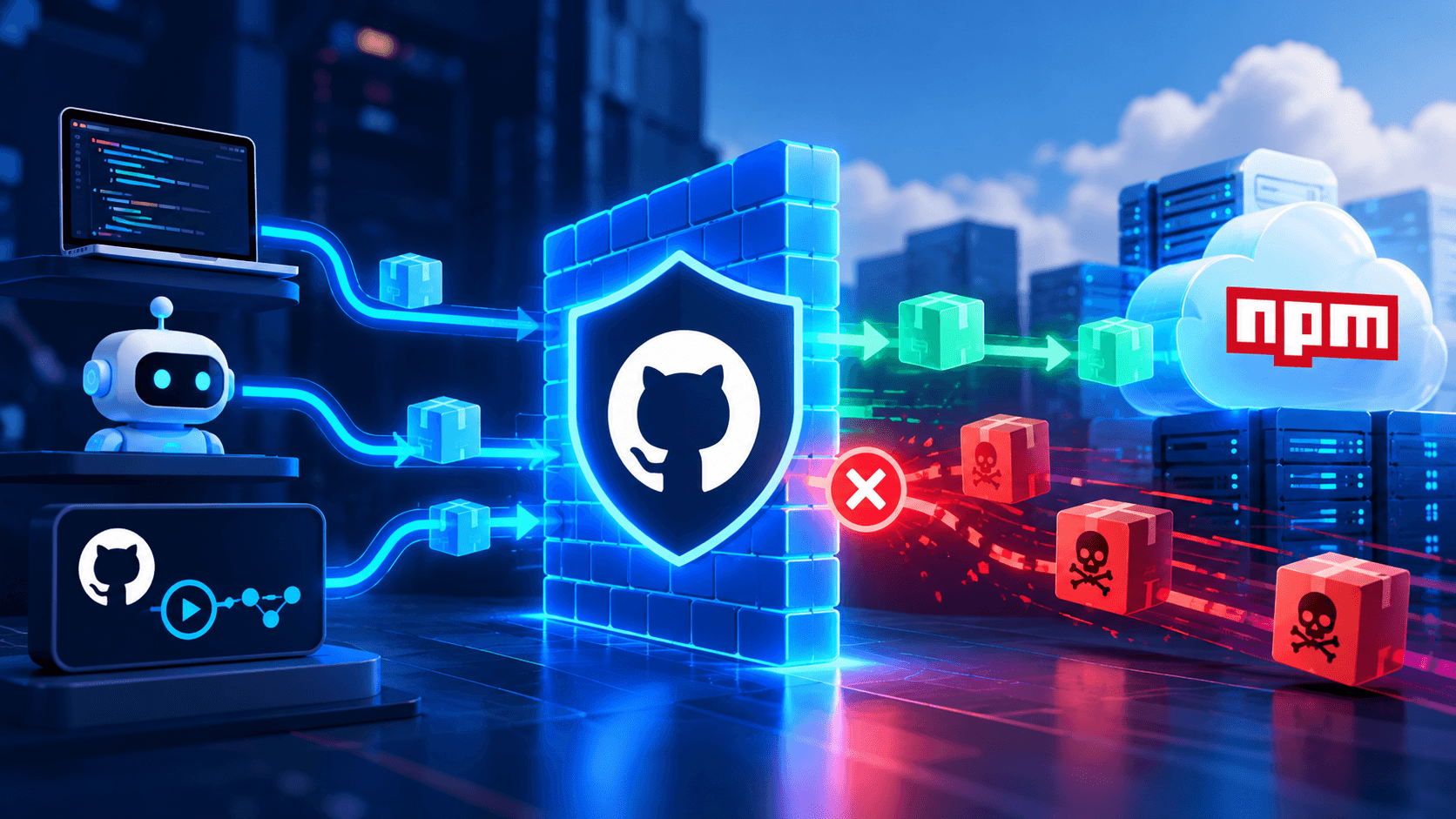
GitHub Puts a Firewall Between npm and Your CI Runners
GitHub’s new package firewall puts enterprise security policies between npm registries and the developers, CI runners and AI coding agents consuming packages. With malware detection, attestation checks and package-age restrictions, it aims to stop malicious dependencies before installation.
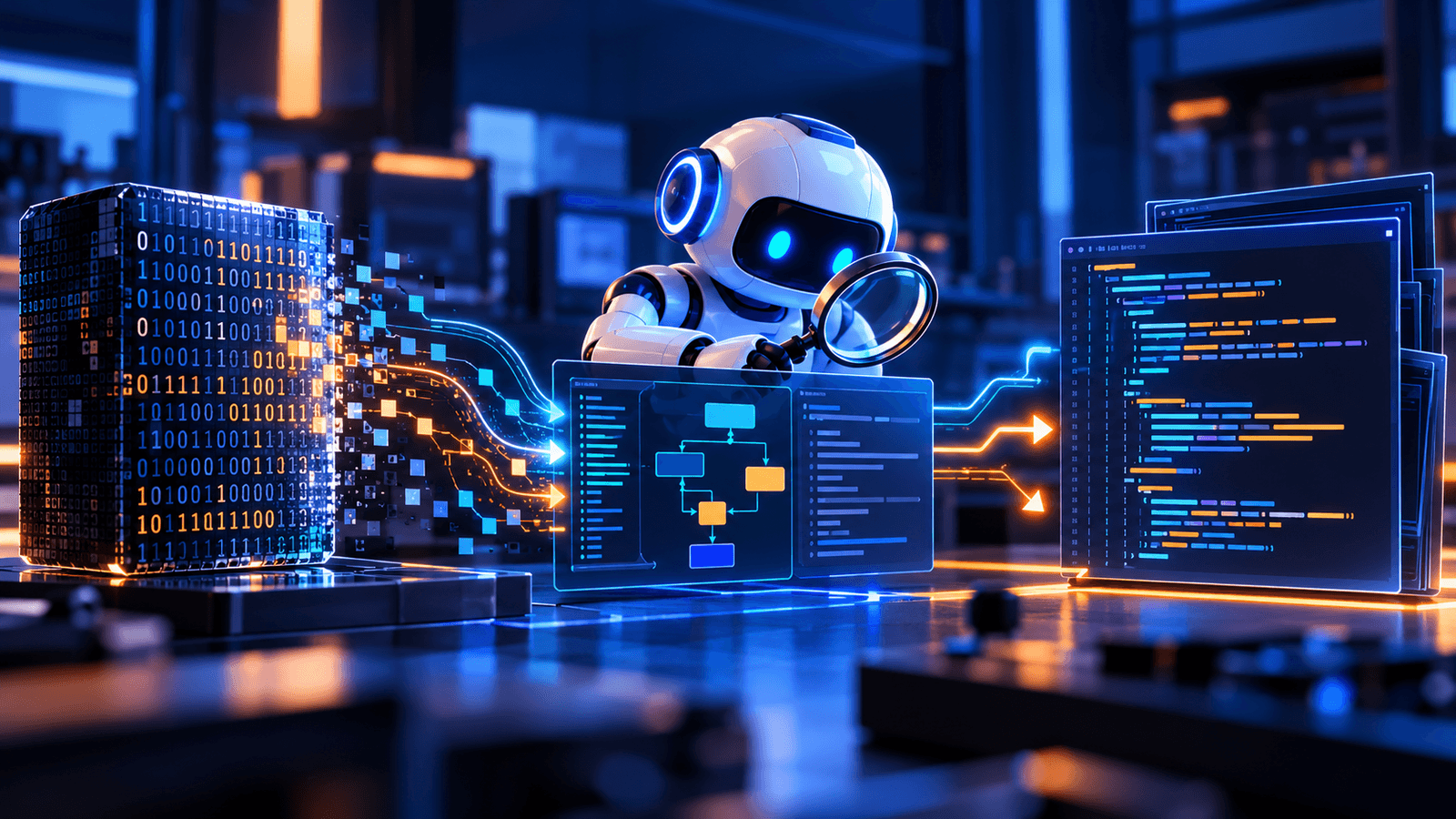
AI Agents Can Now Take Software Apart. DevOps Teams Need a Plan
AI-powered reverse engineering is making it easier to understand and rebuild software without source code. Tools such as REA and increasingly capable AI models create opportunities for legacy modernization while raising fresh concerns about intellectual property, application security and functional correctness.
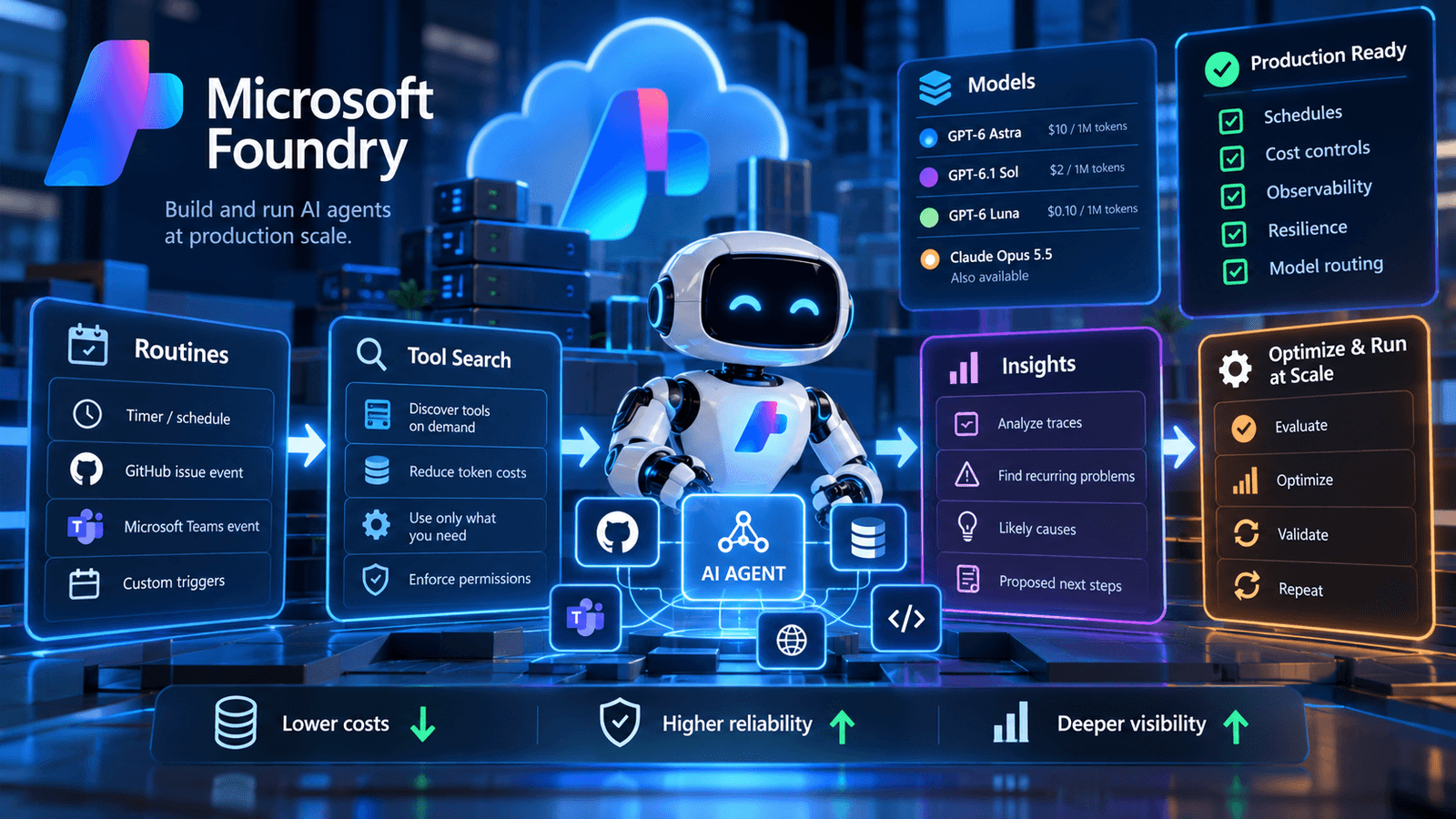
Microsoft Foundry Puts AI Agents on a Schedule and Under Watch
Microsoft’s September Foundry updates focus on making AI agents production-ready with automated routines, lower token costs, trace-based insights and improved resilience. For DevOps teams, the changes bring agent operations closer to familiar CI/CD and observability practices.
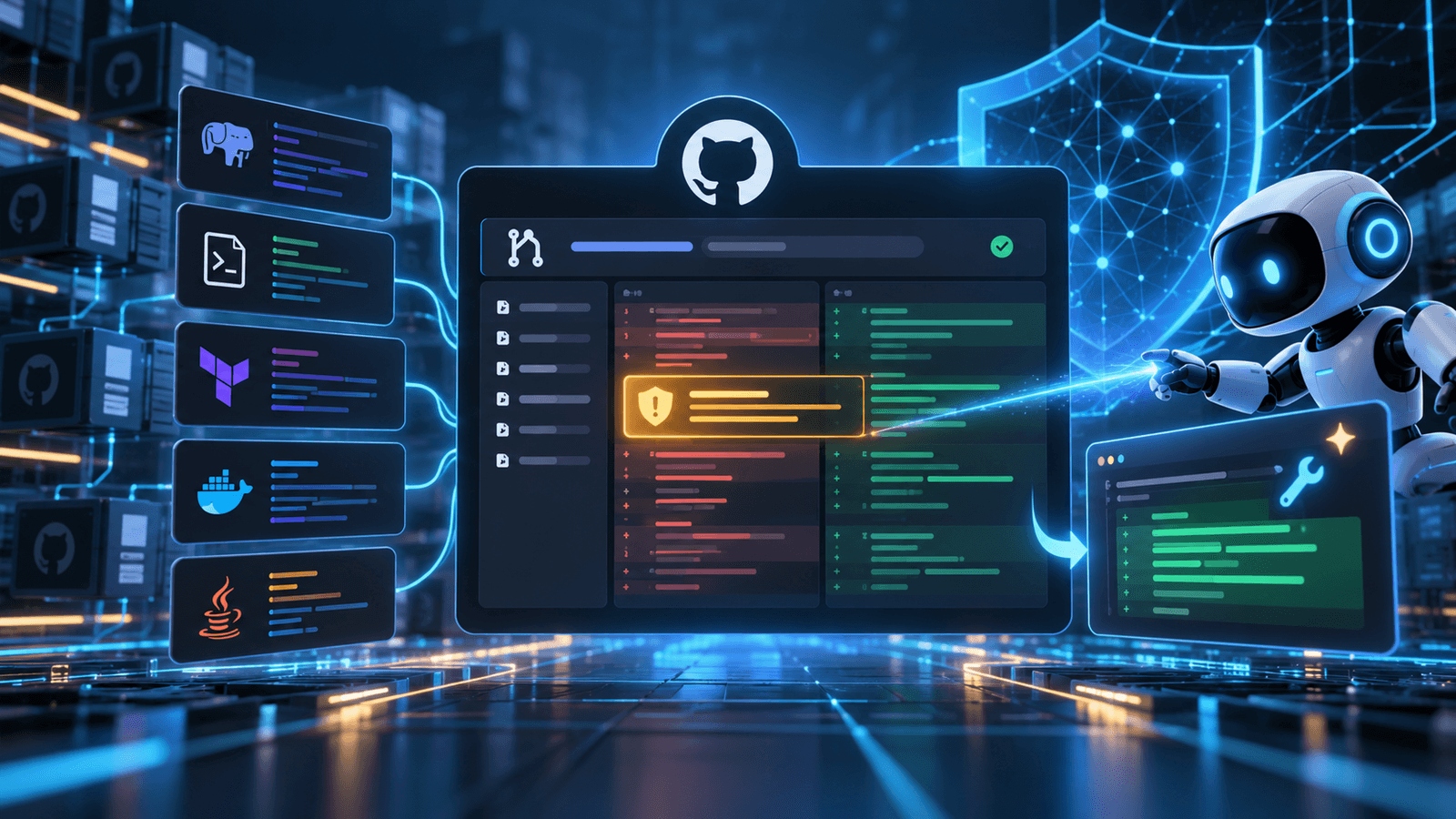
GitHub Brings AI Security Scanning to Pull Requests CodeQL Can’t Cover
GitHub’s AI Scan brings AI-powered vulnerability detection to pull requests involving languages, scripts and infrastructure files beyond CodeQL’s existing coverage. Paired with the general availability of agentic autofix, the release expands security automation across the development lifecycle. But advisory-only findings, coverage gaps and AI credit consumption mean DevOps teams still need clear review policies.
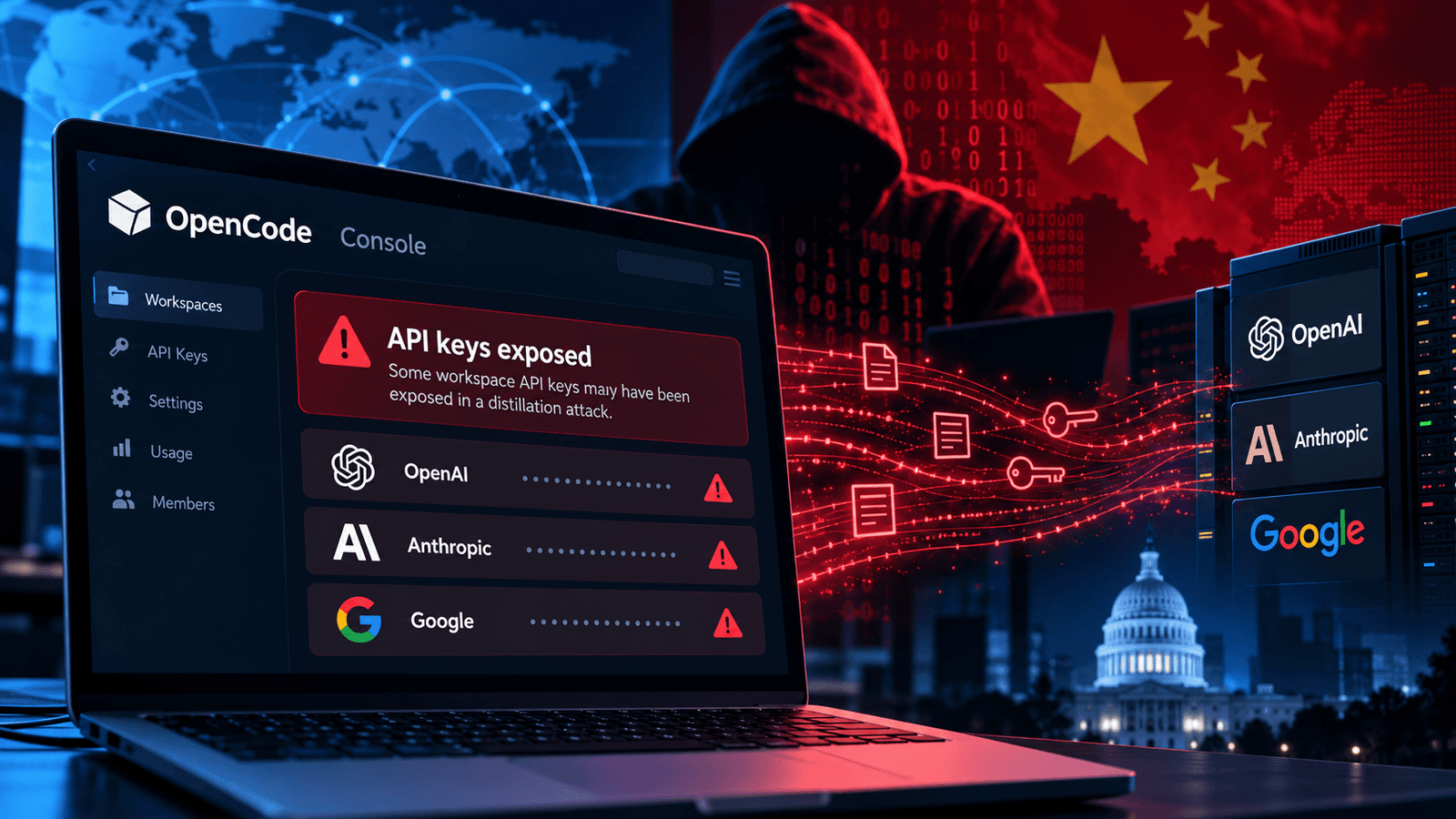
OpenCode Breach Puts Spotlight on AI Distillation Threats
An attack using the technique on the open source coding agent’s Console hub exposed third party API keys from OpenAI, Anthropic, and Google

Dean Hall Open Sources Brutal to Give Game Studios a Way Out of Engine Lock-In
DayZ creator Dean Hall has unveiled Brutal, a free C# framework designed to give game developers greater control over their technology and reduce dependence on commercial engines. Already used in projects including RimWorld’s new engine, Brutal promises flexibility and performance while raising familiar questions about licensing, maintenance and open source sustainability.
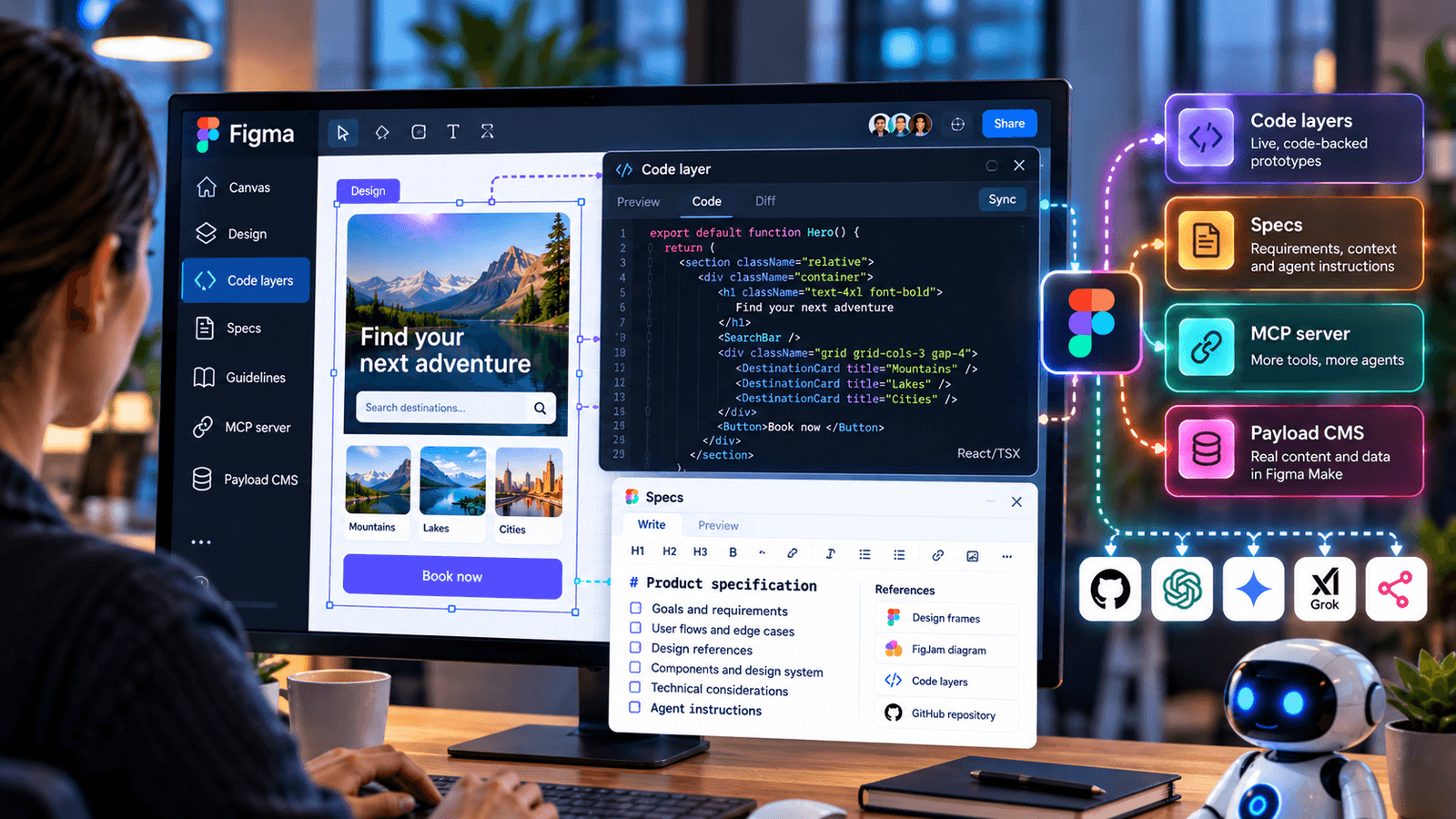
Figma Gives AI Agents a Spec Sheet and Developers a Shared Canvas
Figma introduces Specs, code layers and expanded MCP tools to connect AI agents, designers and developers while improving design-to-code workflows.
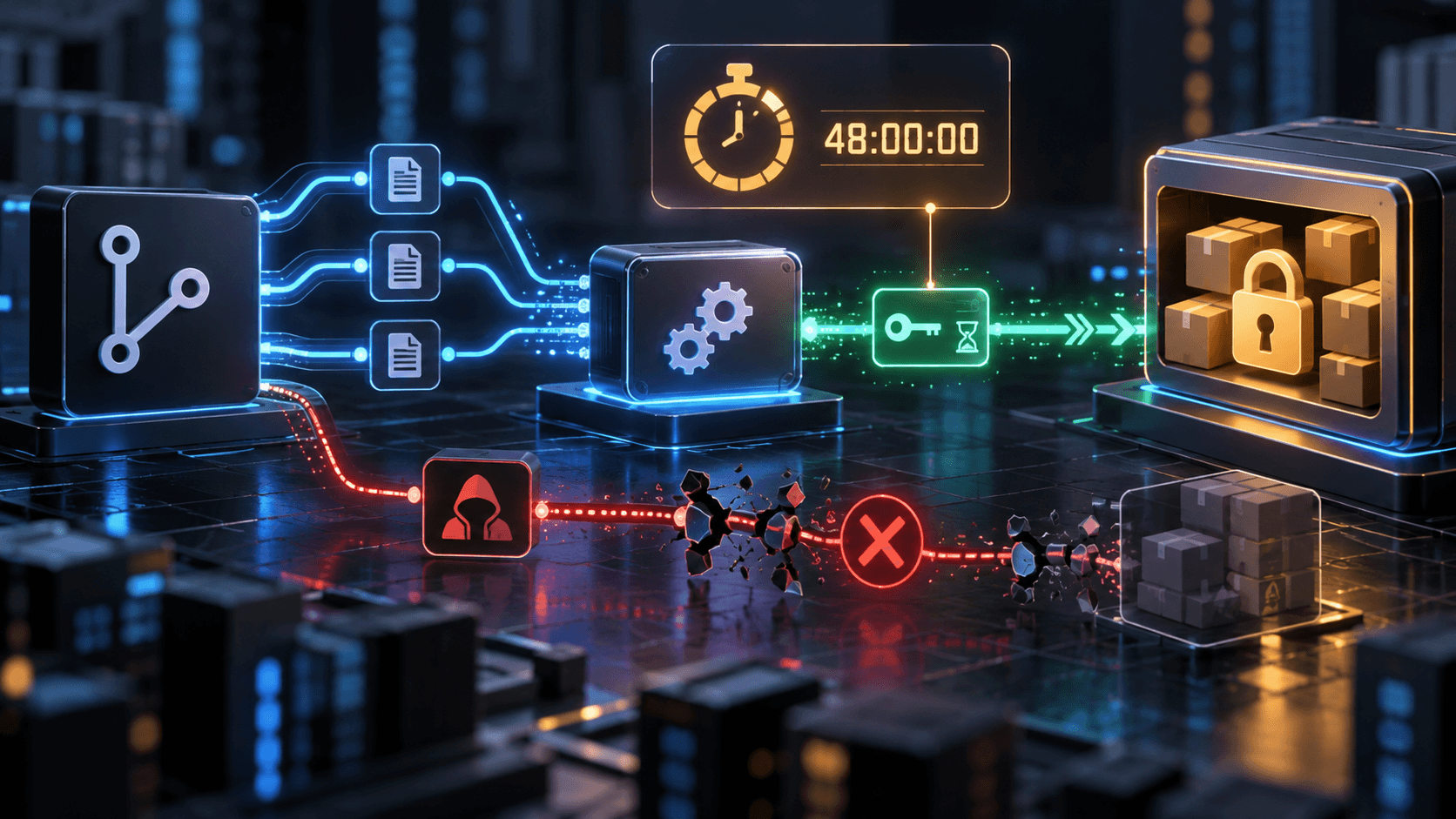
npm Puts a 48-Hour Clock on Unused Trusted Publishing Configurations
GitHub has added an expiration date to unused npm trusted publishing configurations. Any configuration that doesn’t complete a successful publish within 48 hours of creation now expires and can no longer authorize a release. It’s a small change. But it closes a gap that matters to anyone who publishes packages from a CI/CD pipeline. How […]
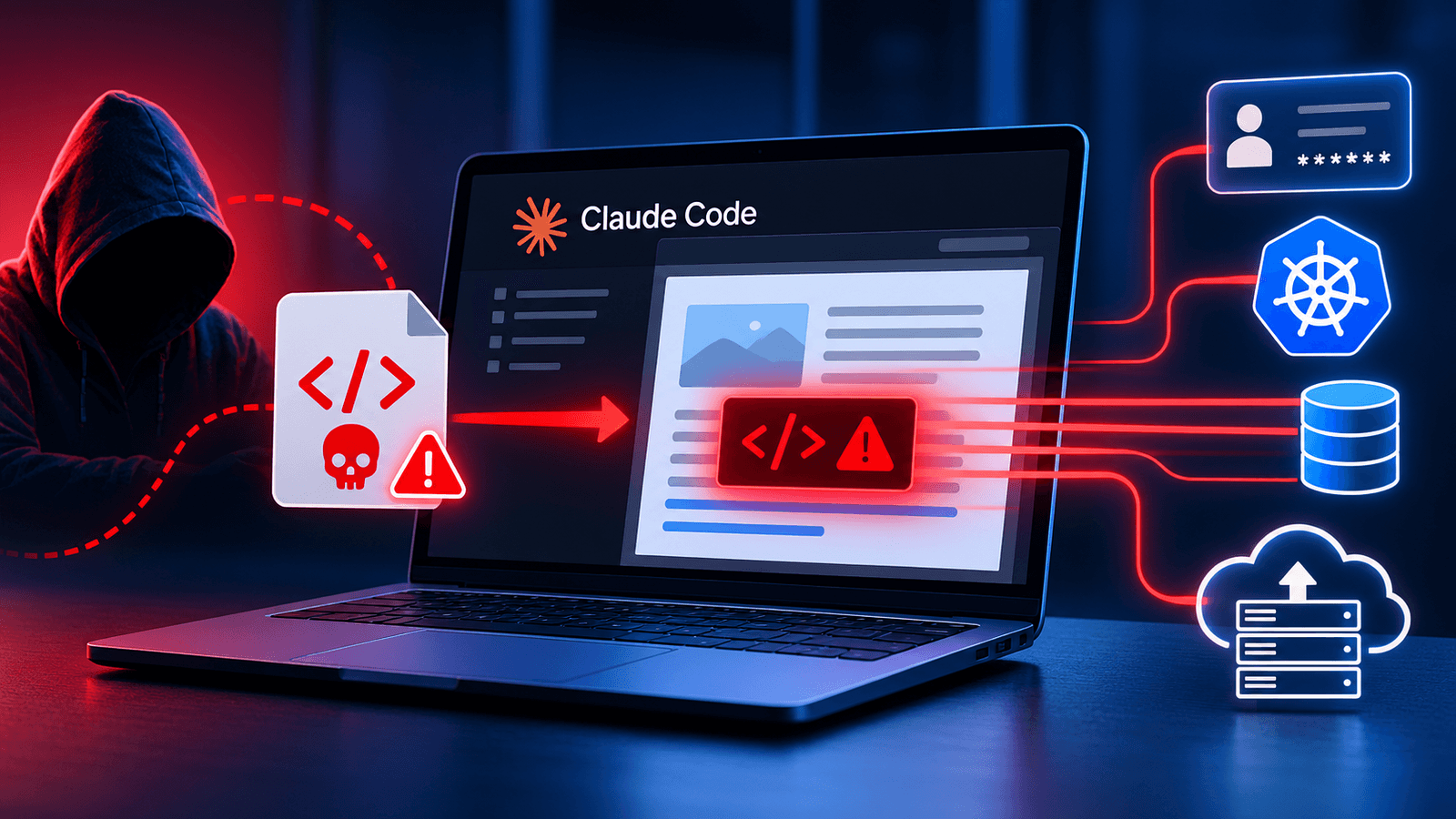
Noma Security Discloses Claude Code Desktop Exploit
Security researchers at Noma Security uncovered SneakPeek, a vulnerability in Anthropic’s Claude Code Desktop that allowed malicious JavaScript embedded in large HTML files to bypass sandbox protections and silently steal sensitive local data. The flaw exposed credentials, API tokens and Kubernetes configurations through the application’s preview pane. Although Anthropic has released a security update addressing the exploit, the discovery highlights growing software supply chain risks as AI coding tools become embedded in developer workflows without sufficient security oversight.
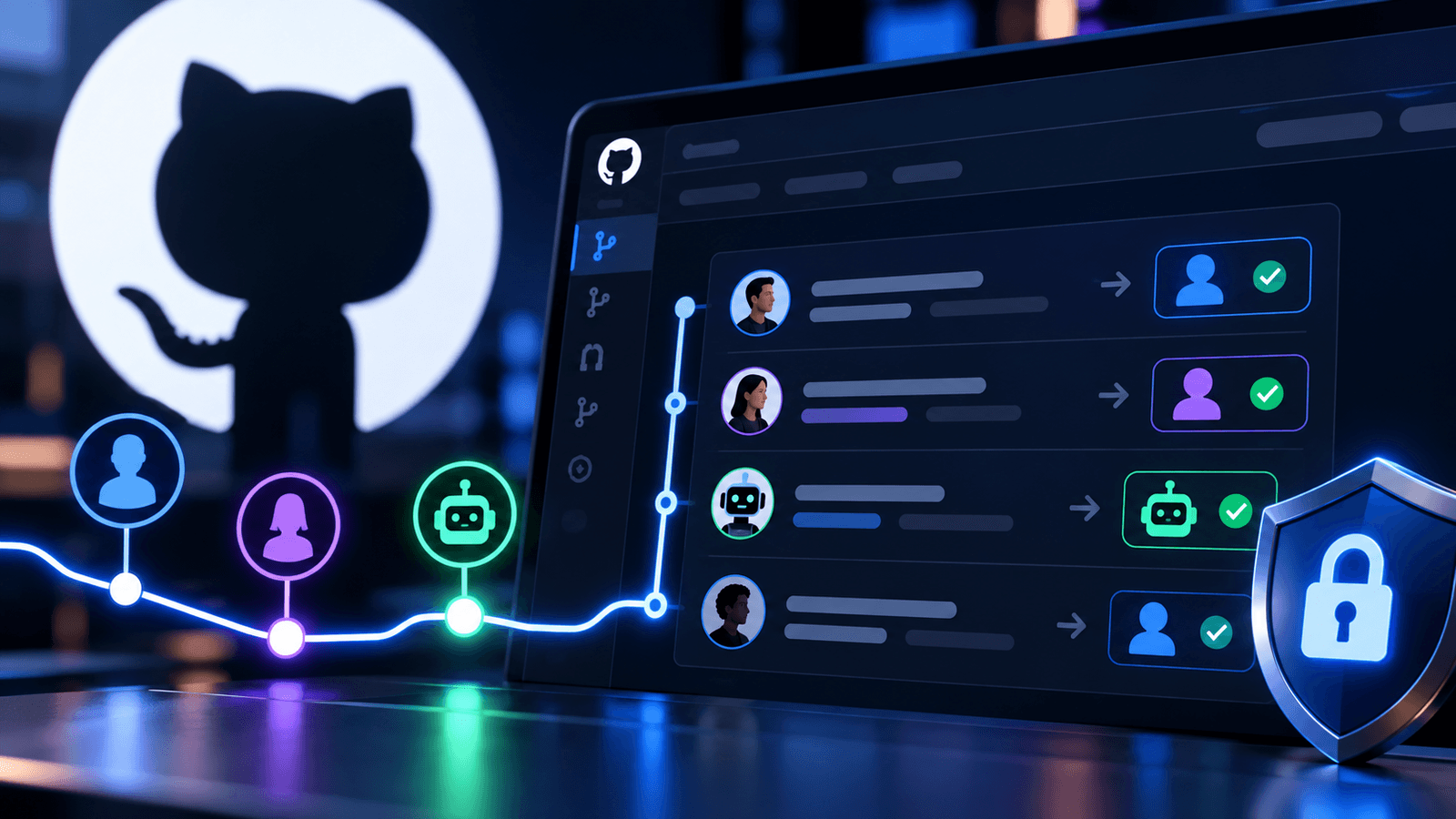
GitHub Ties Every Commit to the Account That Pushed It
GitHub has introduced push attribution in limited public preview for Enterprise customers, adding authenticated pusher identities to commits alongside author and committer information. A new repository rule can also block pushes when committer details don’t match the authenticated account, helping DevOps teams combat identity spoofing, improve audit trails and strengthen software supply chain security.

AI Is Automating Code. The Job Is Engineering
AI is automating coding, but software engineering still requires human judgment. Explore what shifting developer demand means for DevOps, QA and software delivery.
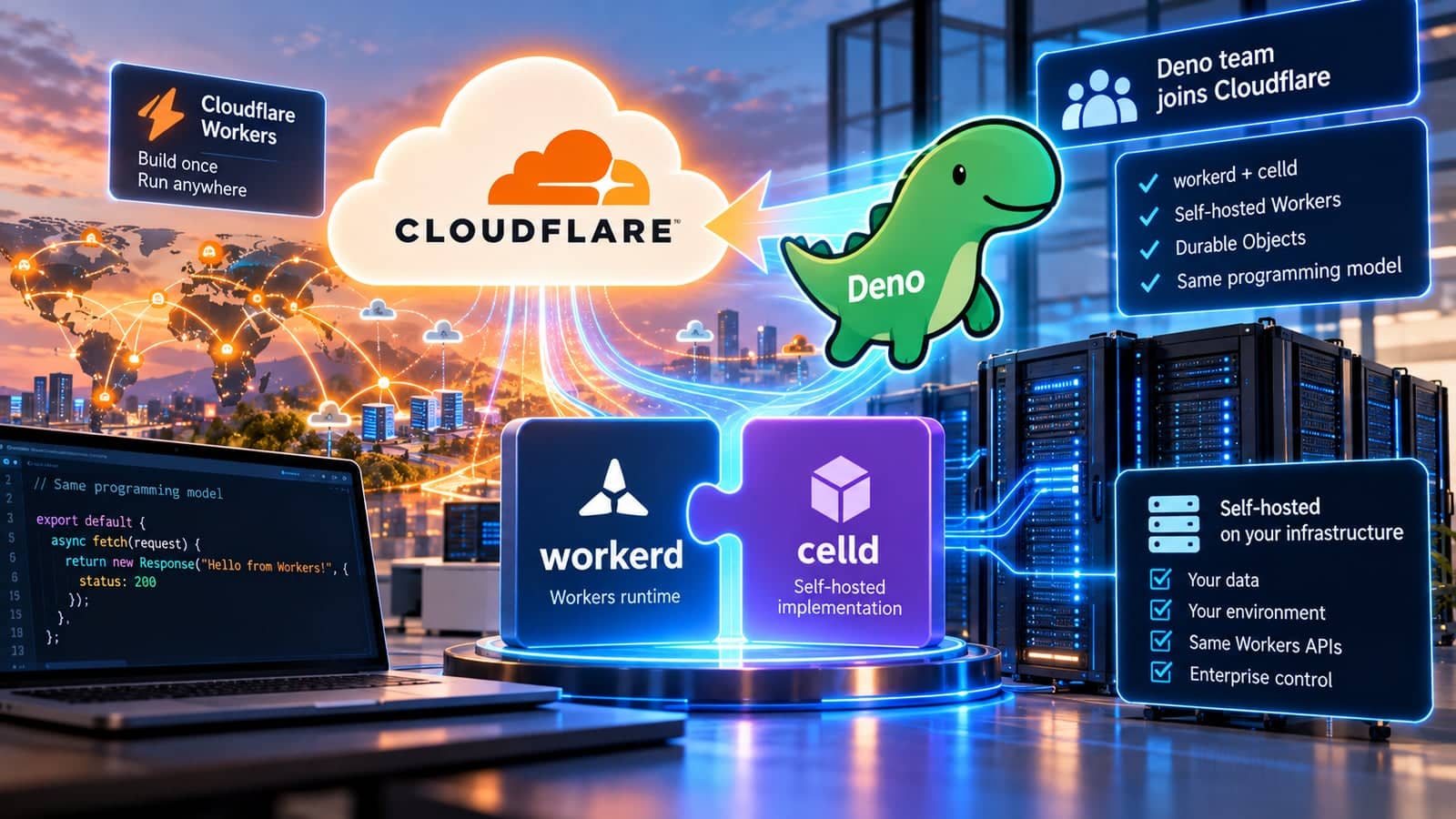
Cloudflare Brings the Deno Team In to Make Self-Hosted Workers Practical
Cloudflare brings Deno’s team aboard to expand self-hosted Workers and Durable Objects as Deno Deploy winds down and runtime support enters its final year.
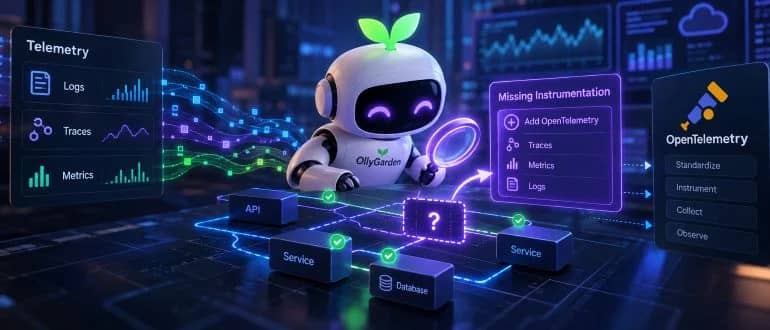
OllyGarden Extends AI Agent to Identify Instrumentation Gaps
OllyGarden expands its Rose AI agent with Minimum Viable Instrumentation to identify observability gaps, optimize OpenTelemetry data and reduce telemetry costs.
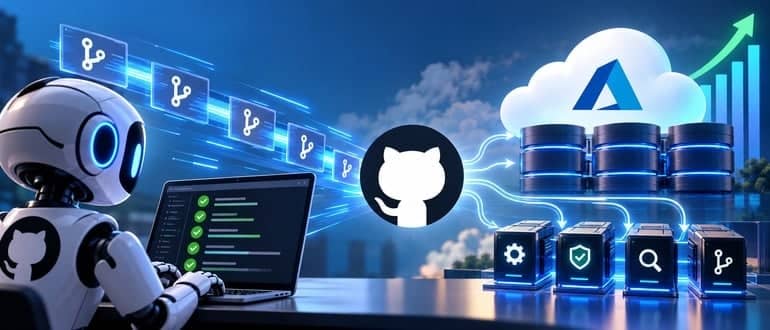
Coding Agents Broke Git’s Scaling Math. GitHub Is Rebuilding to Keep Up
GitHub is rebuilding its Git infrastructure as AI coding agents drive billions of commits, promising up to 35x faster writes while exposing new DevOps bottlenecks.

HackerOne Report Surfaces Massive Increase in Vulnerability Backlogs
HackerOne research shows vulnerability remediation is getting faster, but AI-driven discovery is expanding exposure debt even more quickly, putting DevSecOps teams under growing pressure.

DevOps Has Always Been Hard to Define. Does a Standard Help?
The new DevOps Standard deserves a serious reading. Its lasting value will depend on whether it helps organizations apply shared principles as people and agents take on different responsibilities.
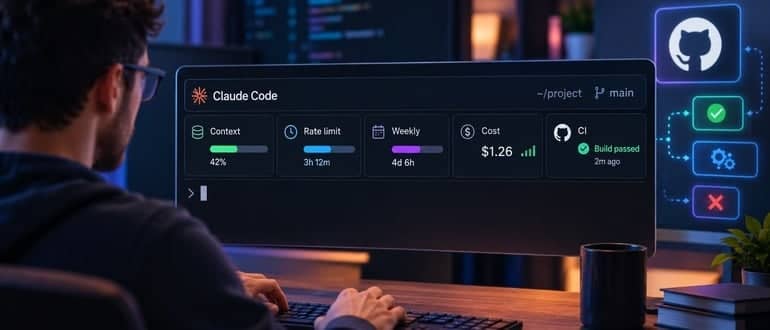
Open Source Mod Brings Rate Limits, Costs and CI Status Into View for Claude Code Users
Claude Statuspane gives developers real-time visibility into Claude Code context use, rate limits, costs and CI status, highlighting a growing need for agent observability.

DevOps Dozen 2026 Nominations Are Open: Recognizing the People and Technology Moving DevOps Forward
When we launched the DevOps Dozen in 2015, we wanted to recognize the people, projects and companies helping this community move forward. We saw the work happening across DevOps every day at DevOps.com. The awards gave our readers a chance to tell us who deserved recognition. Eleven years later, there is a lot more ground […]

Introducing Futurum Media: Why Futurum, Why Now?
Techstrong, Tech Field Day and Visible Impact come together, backed by the research, intelligence and expertise of The Futurum Group.

Git 2.56 Takes Aim at Messy Merges, Slow Diffs and Branch Sprawl
Git 2.56 improves merge safety, speeds up large-repository operations and adds cleanup tools that could prove especially useful for AI coding agents and busy DevOps teams.
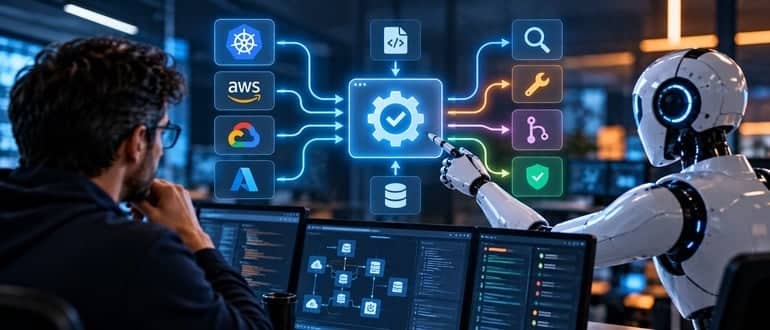
env zero Previews Control Plane for Agentic DevOps Workflows
env zero’s EZ Control introduces an agentic DevOps control plane that detects infrastructure drift, applies policy-driven remediation and keeps automated changes attributable, reversible and auditable.

Survey: Lack of Confidence in Software Supply Chain Security Runs High
A survey of 400 platform and security engineers in the U.S and United Kingdom (UK), finds nearly three quarters (73%) are either only moderately confident (58%) or not confident (15%) in the ability of their existing tools for managing software artifacts to prevent attacks against their organization’s software supply chain. Conducted by Cloudsmith, a provider […]

GitHub’s Security Autofix Agent Now Remembers What It Fixed
GitHub’s agentic autofix now uses Copilot Memory to reuse repository-specific security fix patterns, helping Copilot apply lessons from past vulnerabilities across future alerts, reviews and coding workflows.