
DevSecOps

From Software Supply Chains to AI Vulnerabilities: Why Neither Solves Enterprise Linux Security
 Moshe Bar | | enterprise security, Linux security, patch management, runtime protection, runtime security, vulnerability management
For nearly a decade, cybersecurity has been dominated by one overarching concern: securing the software supply chain. Organizations invested heavily in Software Bills of Materials (SBOMs), artifact signing, provenance frameworks, reproducible builds, ...
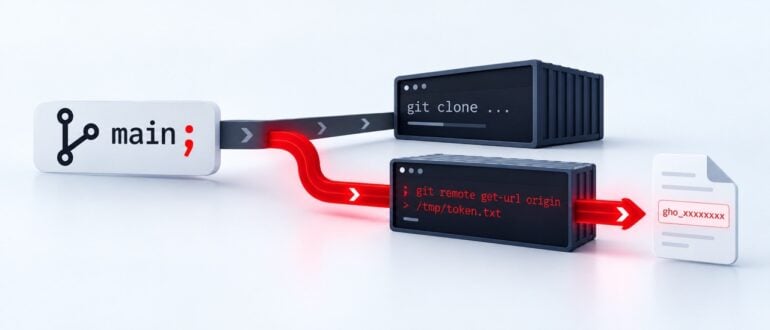
A Semicolon in a Branch Name Was All It Took to Steal an AI Agent’s GitHub Token
 Canio Campaniello | | AI agent security, command injection, credential security, GitHub security, least-privilege, OpenAI Codex
AI coding agents don't just suggest code anymore. Tools like OpenAI's Codex spin up a real container, clone a real repository, and authenticate with a real GitHub credential to get the job ...
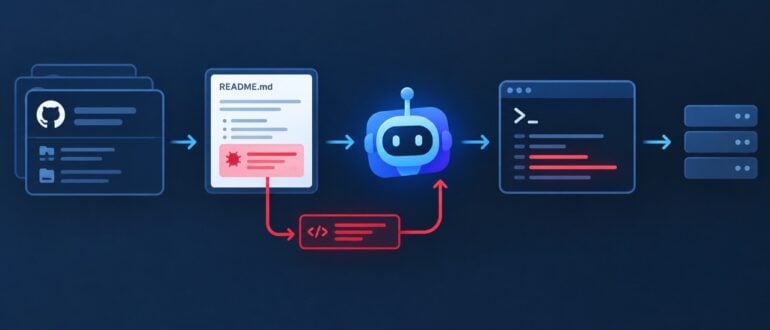
When AI Coding Agents Become Malware Delivery Systems
 Samuel Ogbonna | | AI coding agents, AI security, devsecops, github, prompt injection, Software Supply Chain
AI coding agents are becoming part of everyday development work. Developers use them to find libraries, configure projects, troubleshoot installation problems, and set up new tools. An agent can search GitHub, read ...

Open Source Code Just as Secure as Proprietary Software—If You Manage It Right, Says CISA
 Joab Jackson | | AI security, CISA, federal government, open source software, Software Supply Chain, vulnerability management
Open source can be just as safe as proprietary software, though government agencies (and private enterprises) should take additional measures to secure it properly, according to a new guide published by the ...
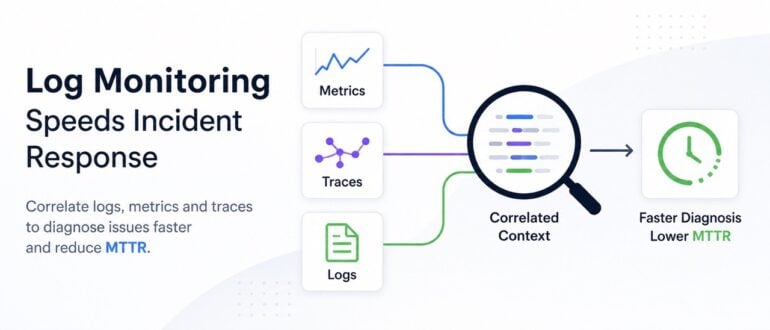
Why Log Monitoring Is the Missing Link in Most Incident Response Workflows

Modern engineering teams have invested heavily in observability. Dashboards are populated, alerts are configured, on-call rotations are set. Yet when production incidents occur, the average time to resolution hasn't dropped nearly as ...
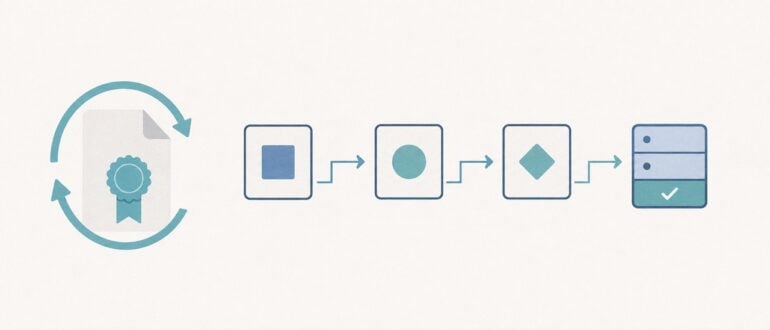
Zero Trust Starts at the Code: Building Secure Systems with PKI and DevOps Automation
 BALA CHANDAR NAGALLA | | certificate lifecycle management, CI/CD security, devsecops, PKI, Software Supply Chain, zero-trust
When a certificate expires, it can take down a production system, and teams usually only find out after something goes wrong. These issues are hard to catch because they rarely trigger alerts ...

npm v12 Is Coming in July — Here’s What Developers Need to Do Now

For years, running npm install meant trusting that whatever code got pulled in would behave itself. That trust was often misplaced. Starting in July 2026, npm v12 changes the rules. Install scripts ...

IronWorm Malware Shares Shai-Hulud Traits, Takes Threat to ‘Next Level’
 Jeff Burt | | ebpf, IronWorm, jfrog, malware, Miasma, OX Security, Rust programming language, Shai-Hulud worm, software developers, software supply chain attacks, TeamPCP
Open source software developers continue to come under attack, with the latest threat being a custom malware that shares many of the attributes of the notorious Shai-Hulud self-propagating worm but comes with ...
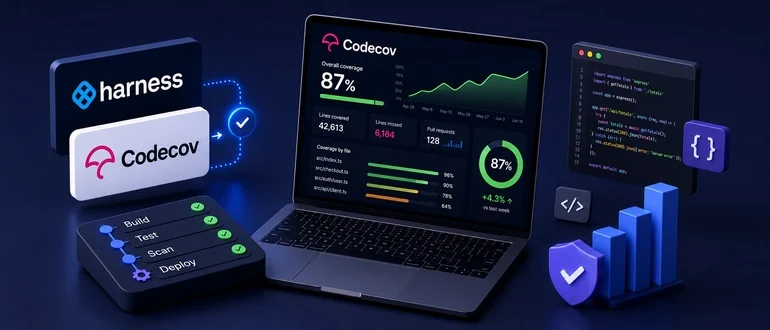
Harness Acquires Codecov to Identify Untested Code

Harness this week acquired Codecov, a provider of a platform that analyzes the percentage of a codebase that has been tested, from Sentry. Brad Rydzewski, a senior vice president and general manager ...

Regression Testing Tools in the Age of AI-Assisted Development: What Has Changed
 Sophie Lane | | AI-assisted development, devsecops, regression testing tools, software testing, test automation
For most of the past decade, the conversation around regression testing tools was fairly stable. The tools got faster, the integrations got smoother, and the underlying approach stayed largely the same: write ...

Can Chainguard Save Open-Source Software From Mythos? Can Anyone?

IBM and Red Hat aren't the only ones that mean to lock down open-source code against AI hacking tools. Last week, IBM and Red Hat launched Project Lightwell to protect open-source projects ...

OWASP Adopts CVE Lite CLI to Boost Dependency Scanning
Checking for dependency vulnerabilities in freshly developed software is usually done near the end of the build process. Remediation at that point can be tricky. Now, JavaScript and TypeScript developers can check ...