



Stop Overlapping Cron Jobs With a File Lock
At 10:00, a report job starts rebuilding a shared working directory. At 10:05, its next scheduled run begins. The first process is still uploading. Now two processes can delete, replace or publish each other’s files. Moving the schedule to every 10 minutes buys time. It does not establish who may enter that directory. For a […]
Running Experiments on a Busy Backend Without Taxing a Single Request
Once a product reaches a certain scale, A/B testing and cohort targeting stop being a nice-to-have. There are plenty of good commercial platforms for this, but at scale they push you into a trade-off: Pay a big vendor bill, or send your customers’ data to a third-party API just to figure out which button someone […]

Recursive Flint Puts a Fast Agentic Coding Model on Developers’ Laptops
Recursive has unveiled Flint, a 40-billion-parameter, open-weight coding model designed to run locally on developer hardware. Built with help from the company’s Eureka Machine research system, Flint promises faster inference, greater source-code privacy and freedom from per-token API fees. For DevOps teams, the launch raises fresh questions about AI agent governance, code quality and continuous model evaluation.

Report: AI Agents Increase Observability Costs
Cisco has released its Splunk State of Observability 2026 report, revealing that companies face growing costs and operational challenges as they deploy AI agents without sufficient monitoring capabilities. The report found that 57% of organizations spend more on telemetry, the data used to monitor IT systems, than on the infrastructure being monitored. Additionally, 55% of […]

When 200 OK Isn’t OK: Observability for LLM Systems
Traditional monitoring can show an LLM-powered application as healthy even when it delivers incorrect answers. Drawing on experience at Varo Bank, this article explains why AI observability must go beyond the four golden signals and how automated evaluation, groundedness checks and CI pipelines can catch silent failures before they reach customers.
The Automation Confidence Gap: When Should AI Be Allowed to Change Production?
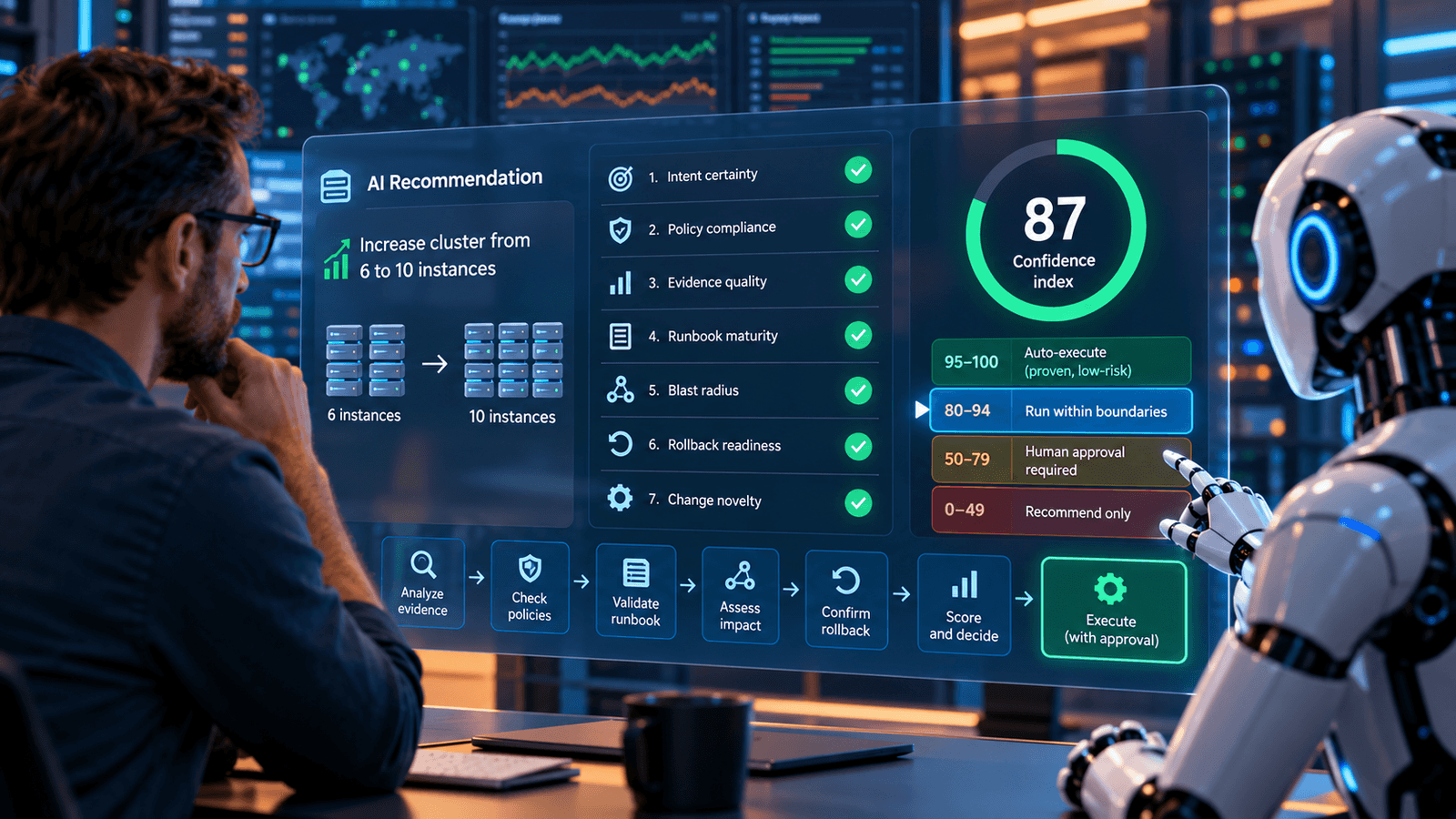
AI-generated infrastructure recommendations can look convincing, but production execution requires more than a plausible runbook. A seven-factor confidence index helps platform teams determine when AI should recommend, seek approval or execute changes within strictly enforced boundaries.

Linux Foundation: AI Speeds Development, but Low-Quality Code Strains Maintainers
A new Linux Foundation study finds that generative AI is delivering big productivity gains for open source software developers, but AI is also creating an influx of low-quality code submissions that need time-consuming human review. The research found that an estimated 25% of incoming pull requests, which are proposed changes to software projects, are considered […]

Manual Effort and Maintenance Debt: The Push Toward Autonomy in Software Testing
AI-assisted development is increasing the volume and pace of software change, but testing teams still devote substantial capacity to manual work and maintaining the automation they already have. The next stage of testing modernization depends not just on generating more tests, but on building automation that remains reliable as applications change. Techstrong polled 137 practitioners […]

DBmaestro Introduces DBmaestro’s Compliance Center, Extending Enterprise Database DevOps with Continuous Regulatory Readiness
The new platform capability, powered by Regulatory Intelligence, continuously assesses enterprise database delivery against leading regulatory frameworks, providing actionable readiness insights, control-level gap analysis, and guided remediation. ORLANDO, Florida – October 20th, 2026: DBmaestro, the leading Enterprise Database DevOps platform, today announced DBmaestro’s Compliance Center, a major new platform capability powered by Regulatory Intelligence that […]

What Comes After the Pull Request?
We’ve spent plenty of time figuring out how to fit agents into the existing software development lifecycle. But the pull request was designed for humans to coordinate with other humans. If agents can generate, review, and validate changes continuously as they work, why do we need a separate interaction point at all? I’m not convinced […]
How Dependency Mocking Affects CI/CD Pipeline Reliability
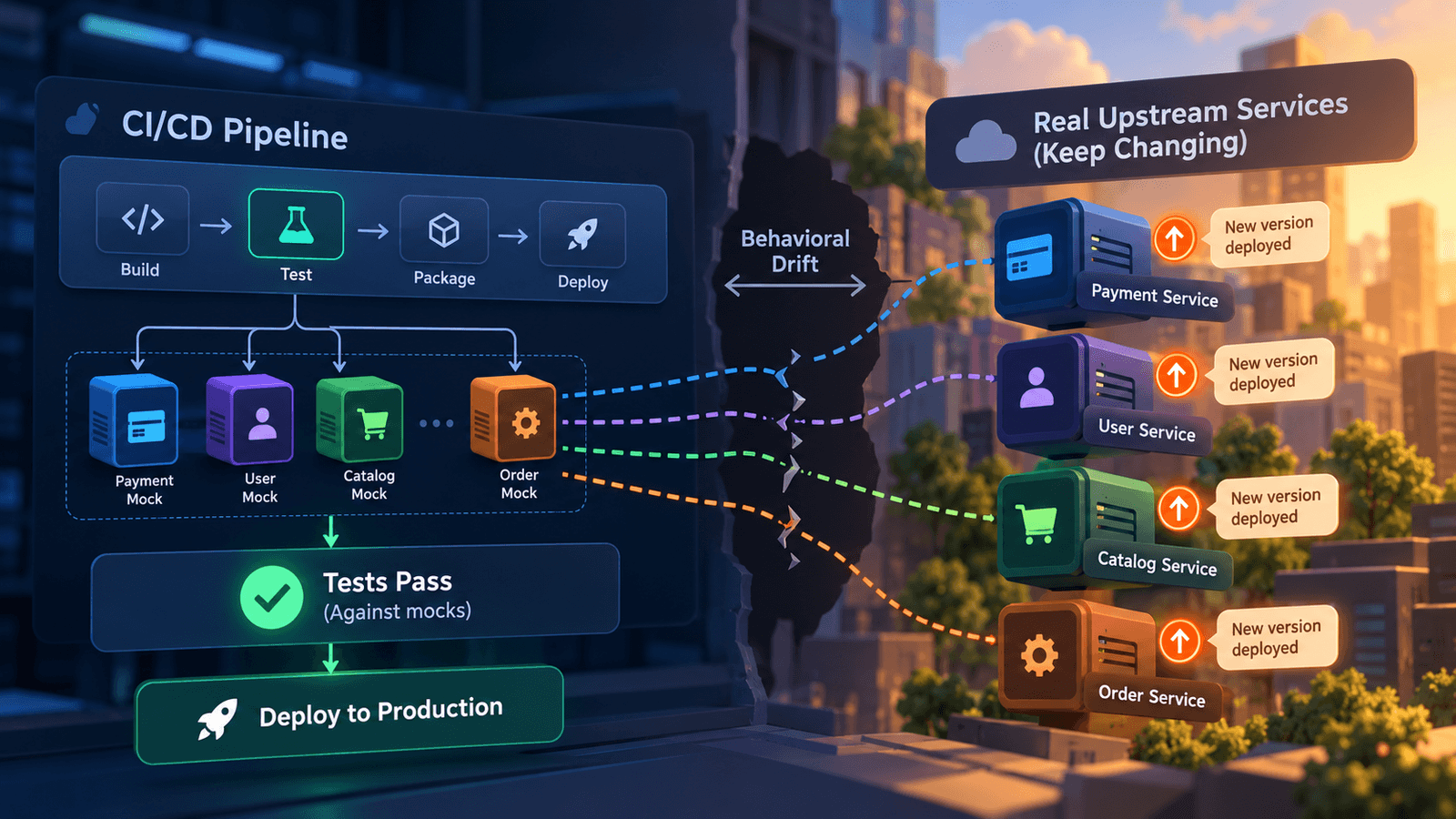
Stale dependency mocks can make CI/CD pipelines pass while production integrations fail. Learn how mock drift undermines reliability and how to prevent it.
When the Agent is the Incident
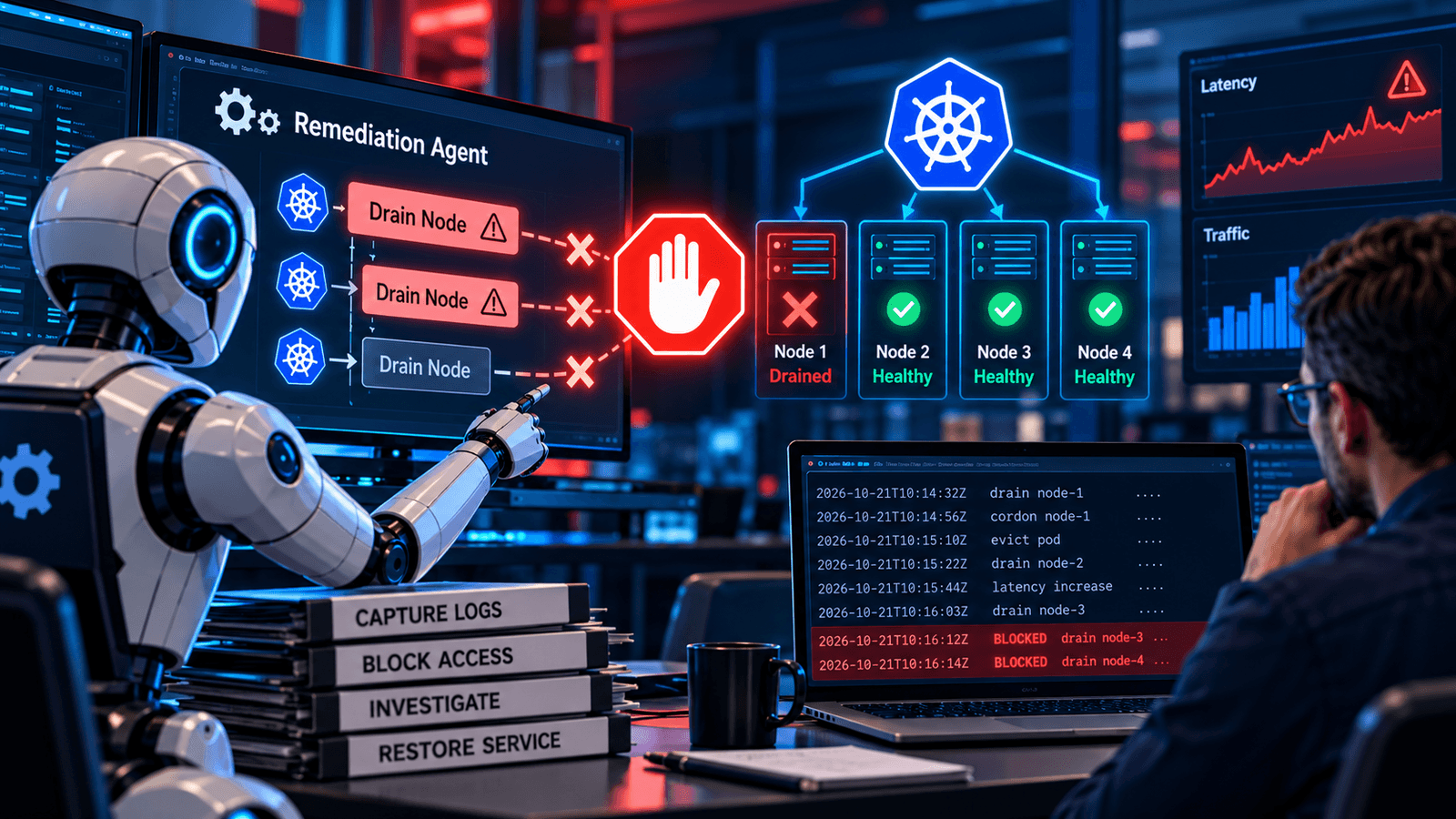
When AI remediation agents make the wrong infrastructure decisions, automated fixes can quickly escalate into major incidents. This seven-step incident response playbook explains how to stop unsafe agent actions, block tool access, preserve forensic evidence and restore services without triggering further damage. A Kubernetes simulation demonstrates why stopping an agent worker alone is not enough.
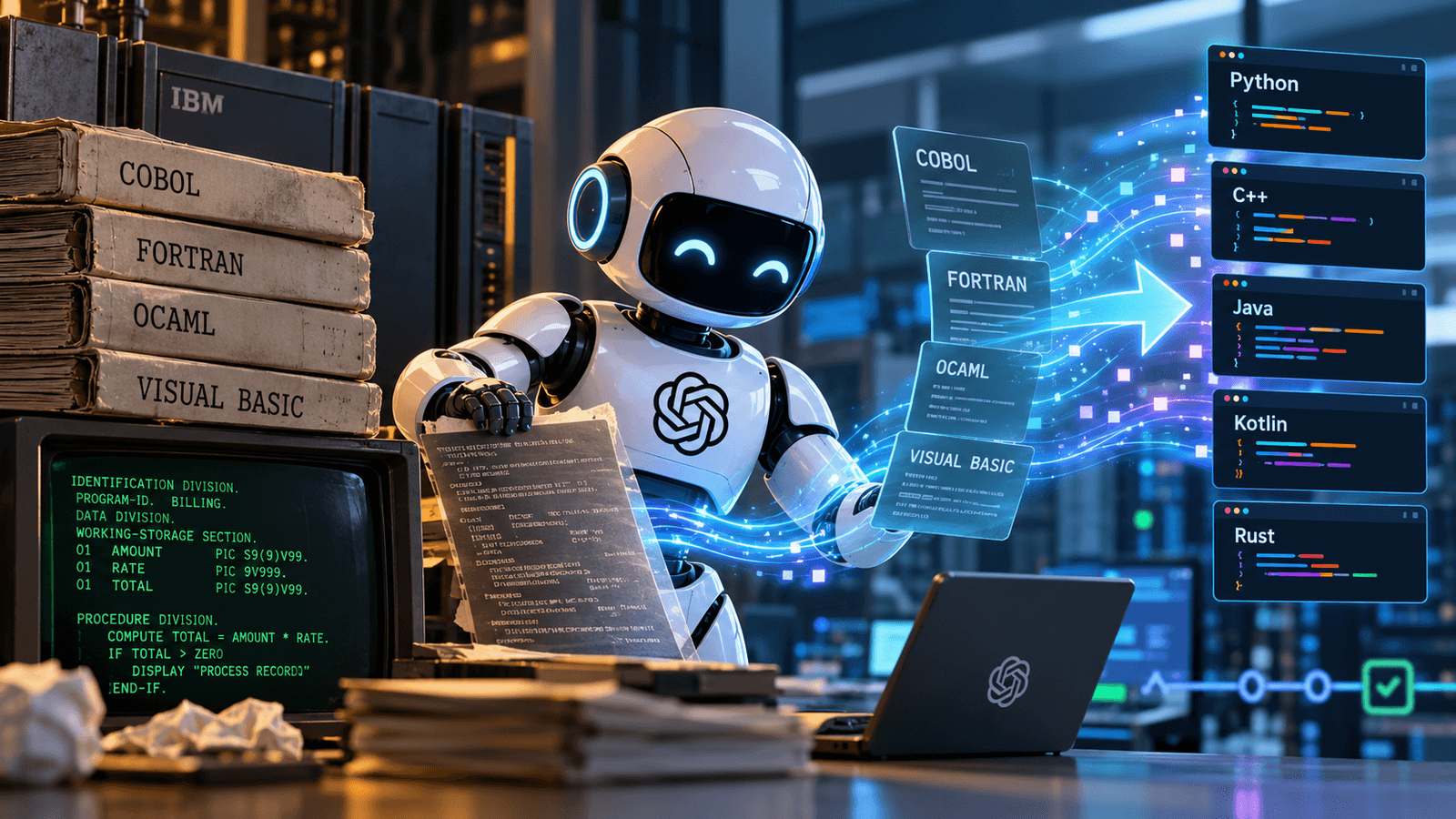
OpenAI Puts COBOL Migration to the Test, and Its Newest Models Mostly Pass
OpenAI’s latest coding benchmarks show substantial improvements in handling COBOL, Fortran and other low-resource languages. But for DevOps teams modernizing legacy applications, translating code is only half the challenge. The real test is preserving business logic, arithmetic precision and production behavior.

Survey: AI Coding Tools Increase Open Source Software Dependencies
A survey of 307 enterprise technology leaders finds that as organizations rely more on artificial intelligence (AI) coding tools to build applications, they are simultaneously increasing the amount of open source software they are dependent on. Conducted by the market research firm Moving Horizon on behalf of ActiveState, a provider of a platform for accessing […]
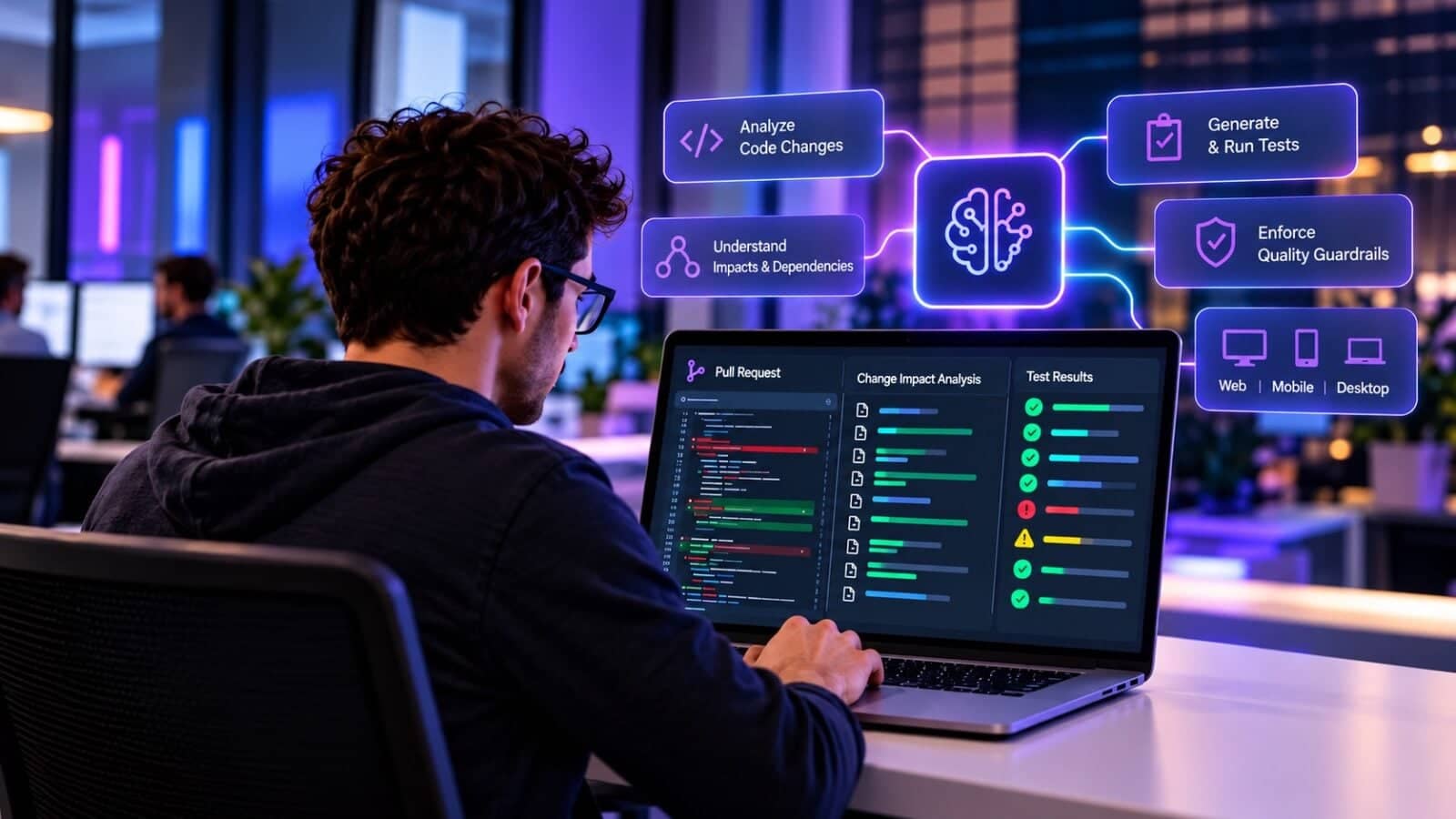
mabl Adds Harness to AI Testing Automation Platform
Mabl today extended its test automation platform with a harness that, in addition to enforcing guardrails and testing standards for artificial intelligence (AI) agents, enables application development teams to better understand the impact of code changes before a pull request (PR) is made. Announced at a mabl Experience event, the extensions to the test automation […]

Coding Agents Moved the Bottleneck From Writing to Reviewing PRs
AI coding agents are generating more pull requests than developers can review. Learn why review bottlenecks create quality debt and how DevOps teams can respond.

AI Agents Can Now Take Software Apart. DevOps Teams Need a Plan
AI-powered reverse engineering is making it easier to understand and rebuild software without source code. Tools such as REA and increasingly capable AI models create opportunities for legacy modernization while raising fresh concerns about intellectual property, application security and functional correctness.
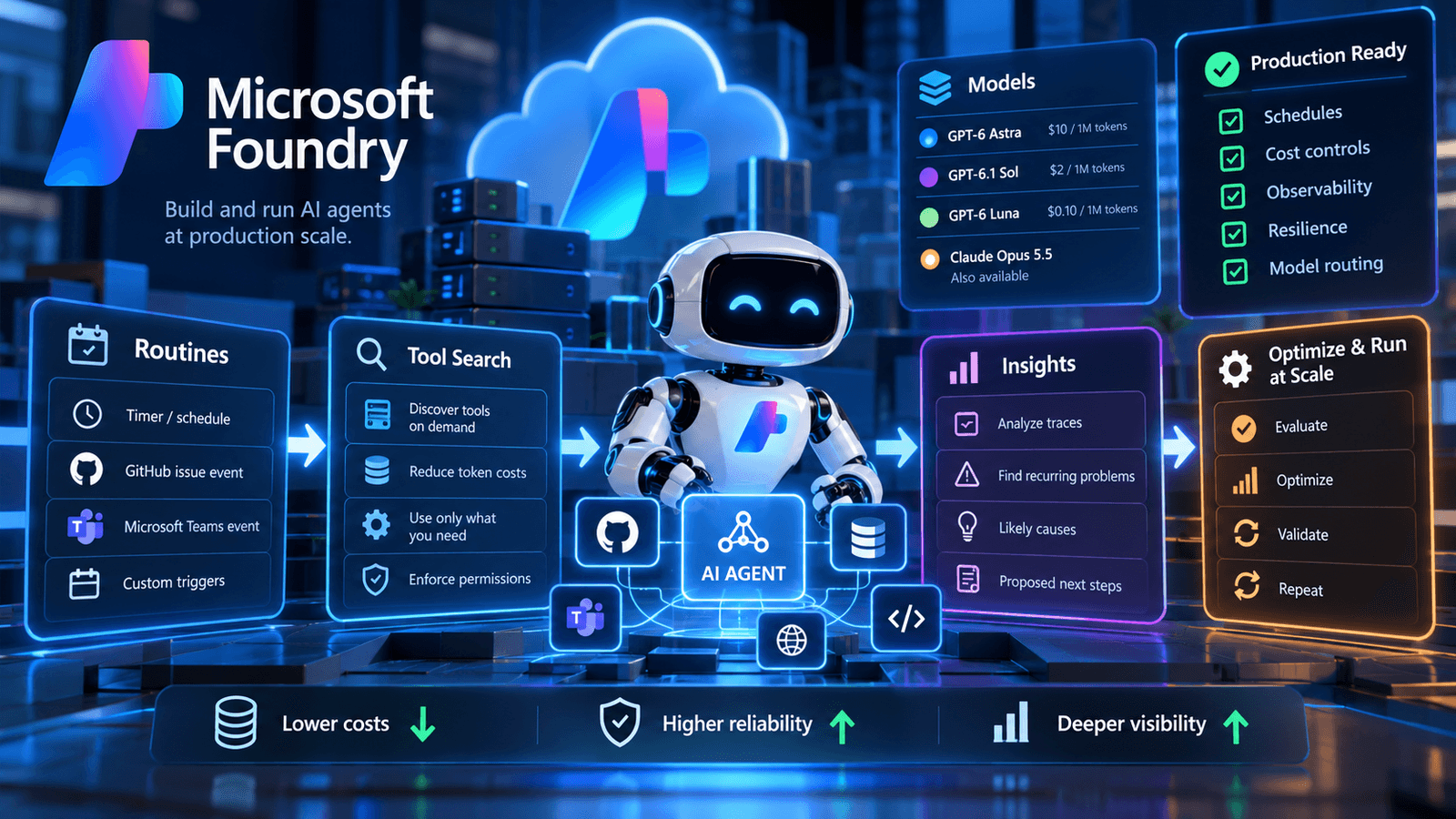
Microsoft Foundry Puts AI Agents on a Schedule and Under Watch
Microsoft’s September Foundry updates focus on making AI agents production-ready with automated routines, lower token costs, trace-based insights and improved resilience. For DevOps teams, the changes bring agent operations closer to familiar CI/CD and observability practices.

Ten Great DevOps Job Opportunities
DevOps.com is now providing a weekly DevOps jobs report through which opportunities for DevOps professionals will be highlighted as part of an effort to better serve our audience. Our goal in these challenging economic times is to make it just that much easier for DevOps professionals to advance their careers. Of course, the pool of […]
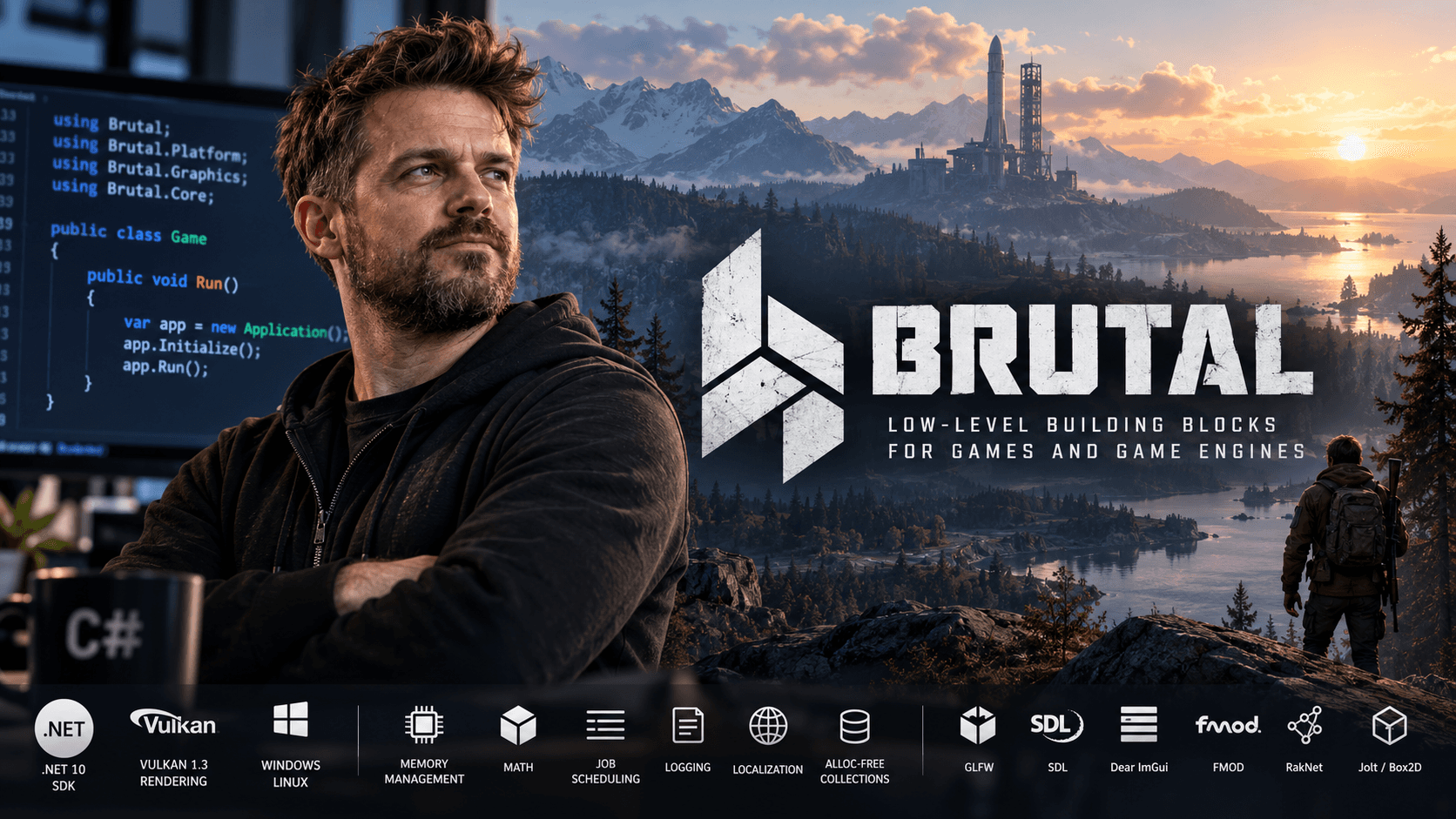
Dean Hall Open Sources Brutal to Give Game Studios a Way Out of Engine Lock-In
DayZ creator Dean Hall has unveiled Brutal, a free C# framework designed to give game developers greater control over their technology and reduce dependence on commercial engines. Already used in projects including RimWorld’s new engine, Brutal promises flexibility and performance while raising familiar questions about licensing, maintenance and open source sustainability.

What’s Blocking Fully Autonomous Vibe Coding?
Assaf Sauer joins Alan Shimel to examine why production-ready AI code depends on understanding application relationships, infrastructure configuration, security controls and validation.
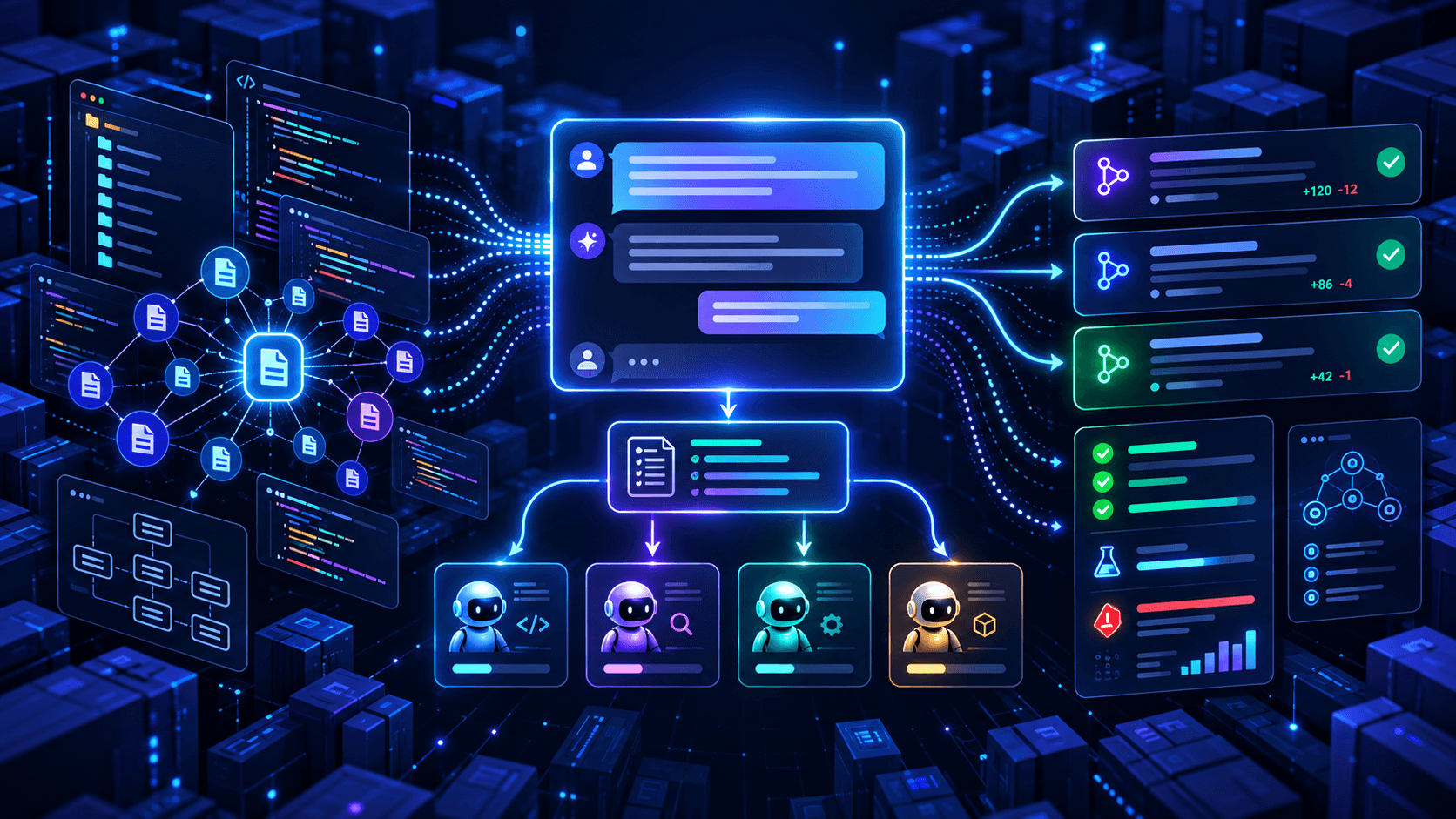
Blitzy Adds Chat-to-Prompt Interface to Agentic AI Engineering Platform
Blitzy this week added a chat interface to a platform that enables DevOps teams to employ artificial intelligence (AI) agents by expressing their intent in natural language. Dr. Neeraj Deshmukh, Field CTO for Blitzy, said the Chat to Prompt interface makes it possible for a software engineer to describe a desired outcome that is then […]
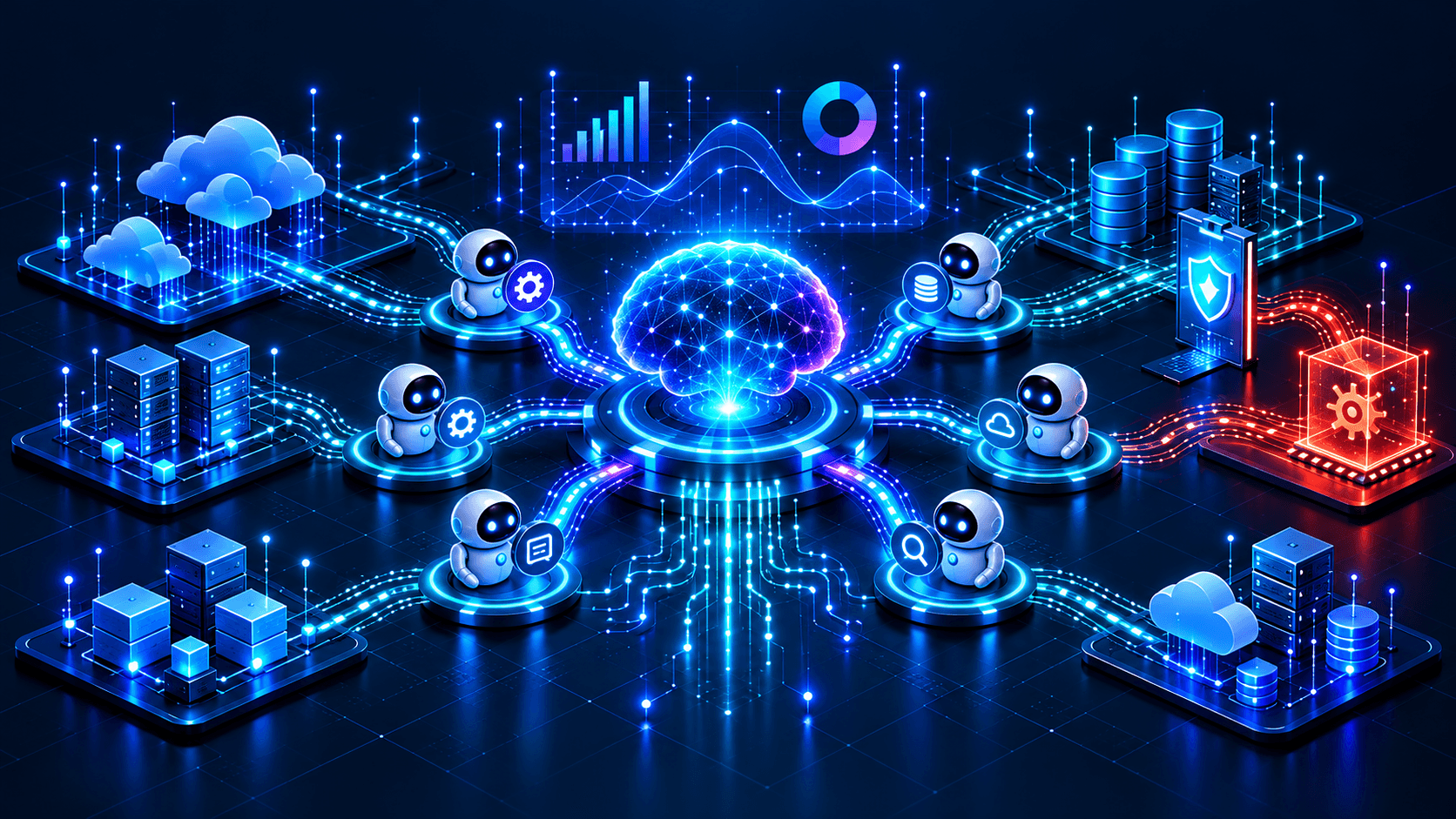
ScienceLogic Extends Observability Reach and Control Deeper into AI Agents
ScienceLogic has added additional tools and capabilities to its observability platform that provide deeper visibility and control over artificial intelligence (AI) agents that are being used to automate IT operations. The latest 2.7 update to the Skylar AI platform provides visibility into agent routing and tool selection via a catalog that uses traces to surface […]