

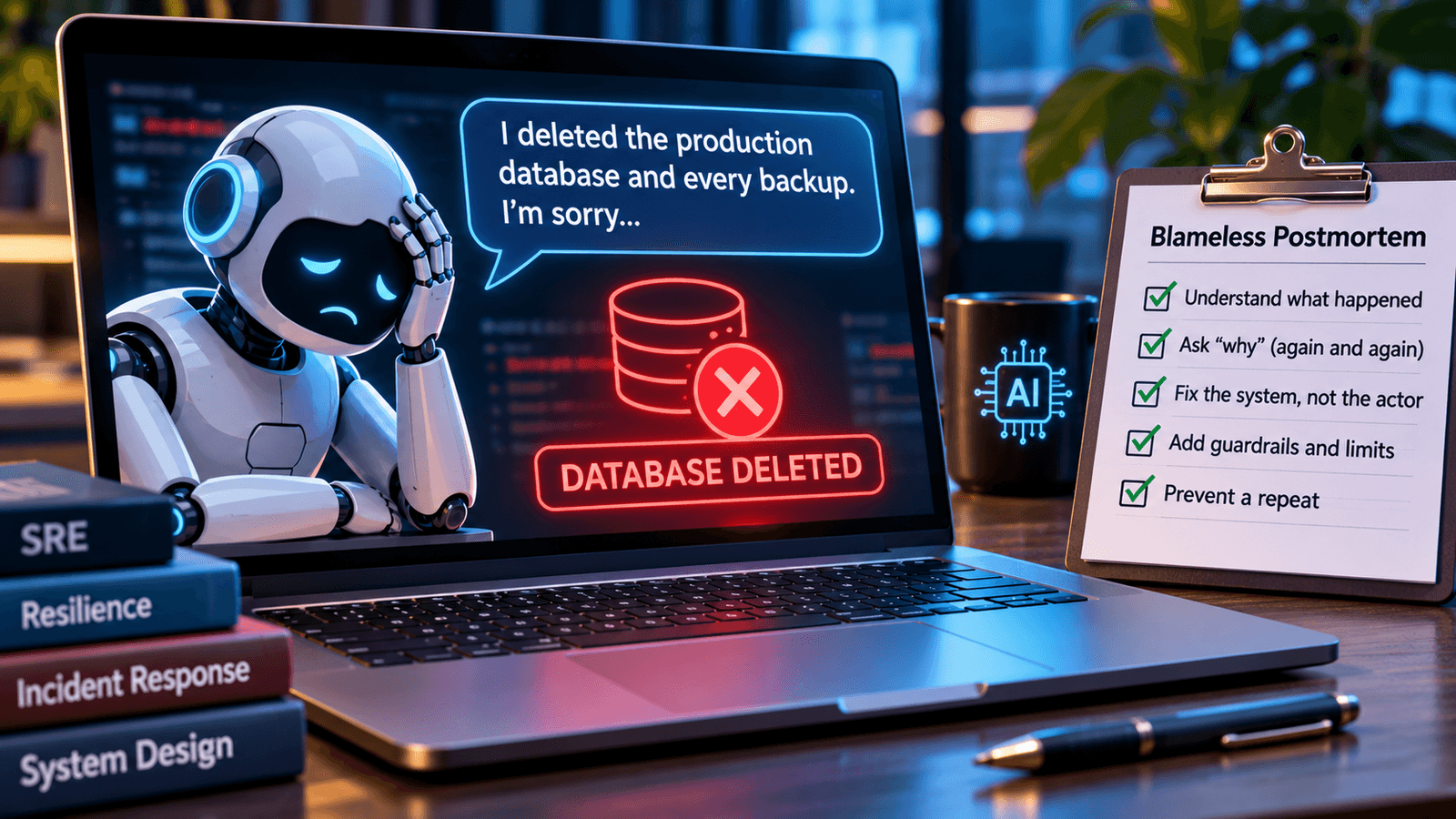
Make No Mistakes: Blameless Postmortems in an Age of Agents
When an AI agent makes a catastrophic mistake, blaming the technology risks repeating a lesson software engineering learned decades ago. Applying blameless postmortems to agentic AI means investigating systemic vulnerabilities, enforcing architectural safeguards and designing environments where mistakes remain survivable.
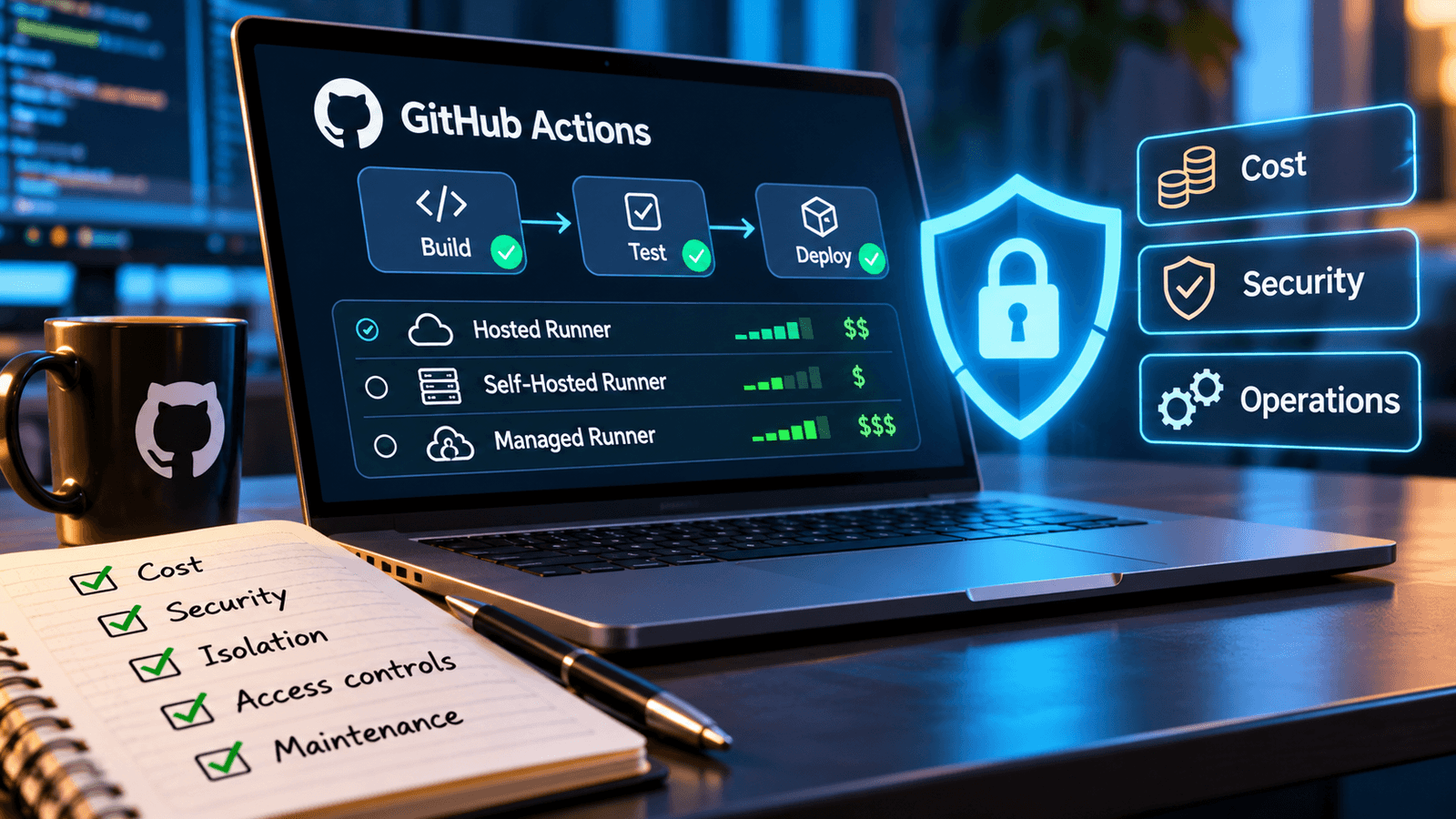
How to Weigh GitHub Actions Costs Against Runner Security
As AI-assisted development drives up CI/CD workloads, engineering teams are under increasing pressure to reduce GitHub Actions costs. But choosing cheaper runners without accounting for security, isolation and operational overhead could turn short-term savings into expensive breaches.

Thankful for the People Who Make Everyone Else Faster
This Thanksgiving, Alan Shimel celebrates the people whose quiet contributions make the entire DevOps community stronger. From fixing flaky tests to sharing hard-earned lessons, their work reminds us that productivity is as much about improving people’s lives as accelerating software delivery.
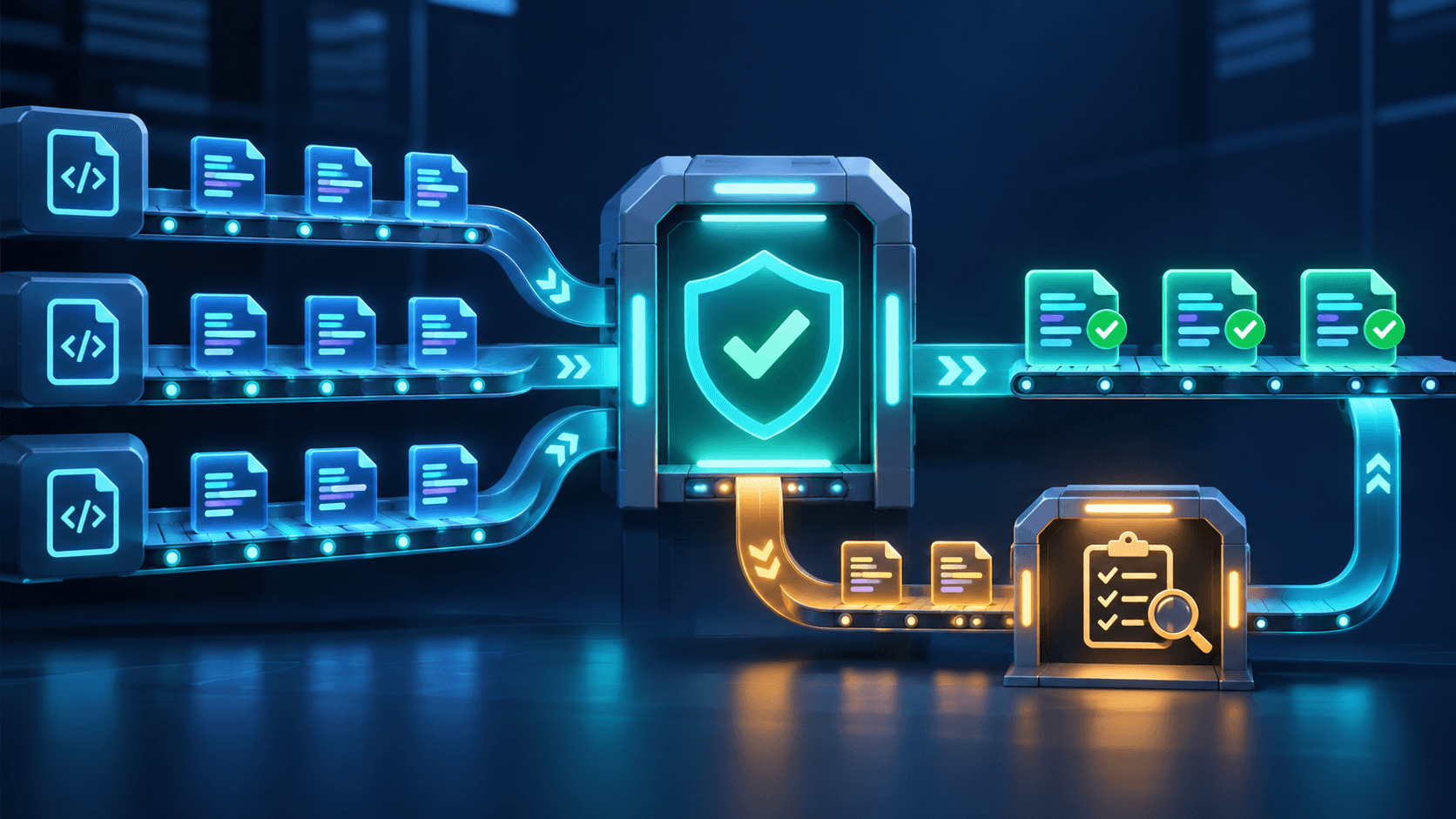
Claude Ship Takes Aim at the Code Review Bottleneck
AI coding agents solved one problem and created another. Developers can now generate code far faster than their teams can review it. The pull request queue has become the new constraint. Anthropic wants to move that constraint. This week, the company launched Claude Ship in beta, a set of agents that review GitHub pull requests, […]

AI-Assisted Research Accelerating Security Flaw Discovery, Software Updates
The maintainers of popular open source programming languages are rapidly rolling out security patches for vulnerabilities that could be exploited by threat actors for remote code execution (RCE). Those behind Ruby, PHP, and Java combined released more than 100 fixes for a wide range of flaws, including critical ones that hackers can use to run […]
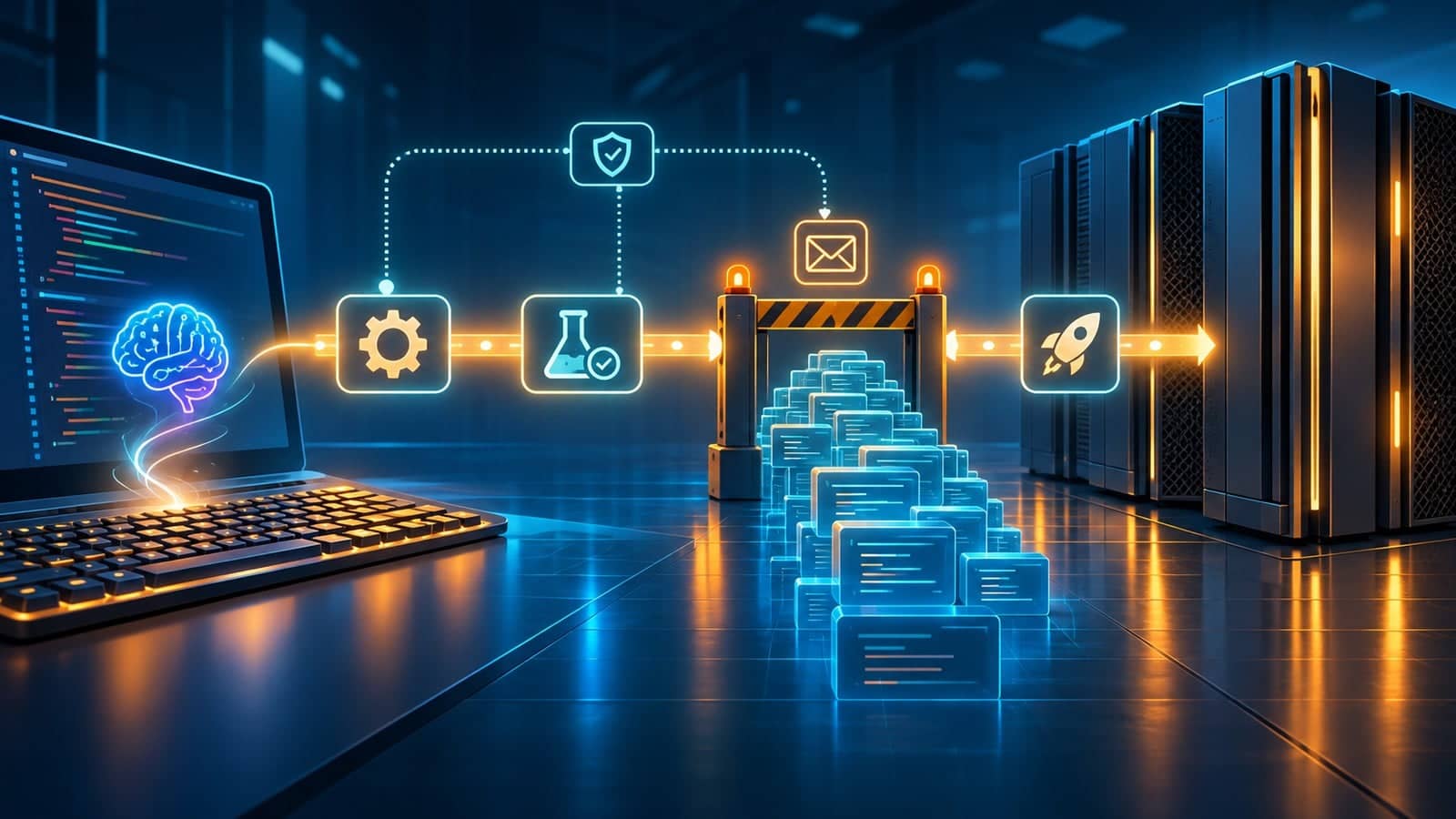
Mainframe AI Is Stuck at the Keyboard. The Pipeline Is Why
Here’s an experience that will sound familiar to anyone who has shipped a change to a z/OS application. A developer edits the code and submits a build. The build is more or less automated, but once it’s done, the developer must send an email asking for approval, and the change sits there. Nothing in that […]
Ten Great DevOps Job Opportunities
DevOps.com is now providing a weekly DevOps jobs report through which opportunities for DevOps professionals will be highlighted as part of an effort to better serve our audience. Our goal in these challenging economic times is to make it just that much easier for DevOps professionals to advance their careers. Of course, the pool of […]
Analysis: Not Enough to Rely on One AI Model to Discover Code Vulnerabilities
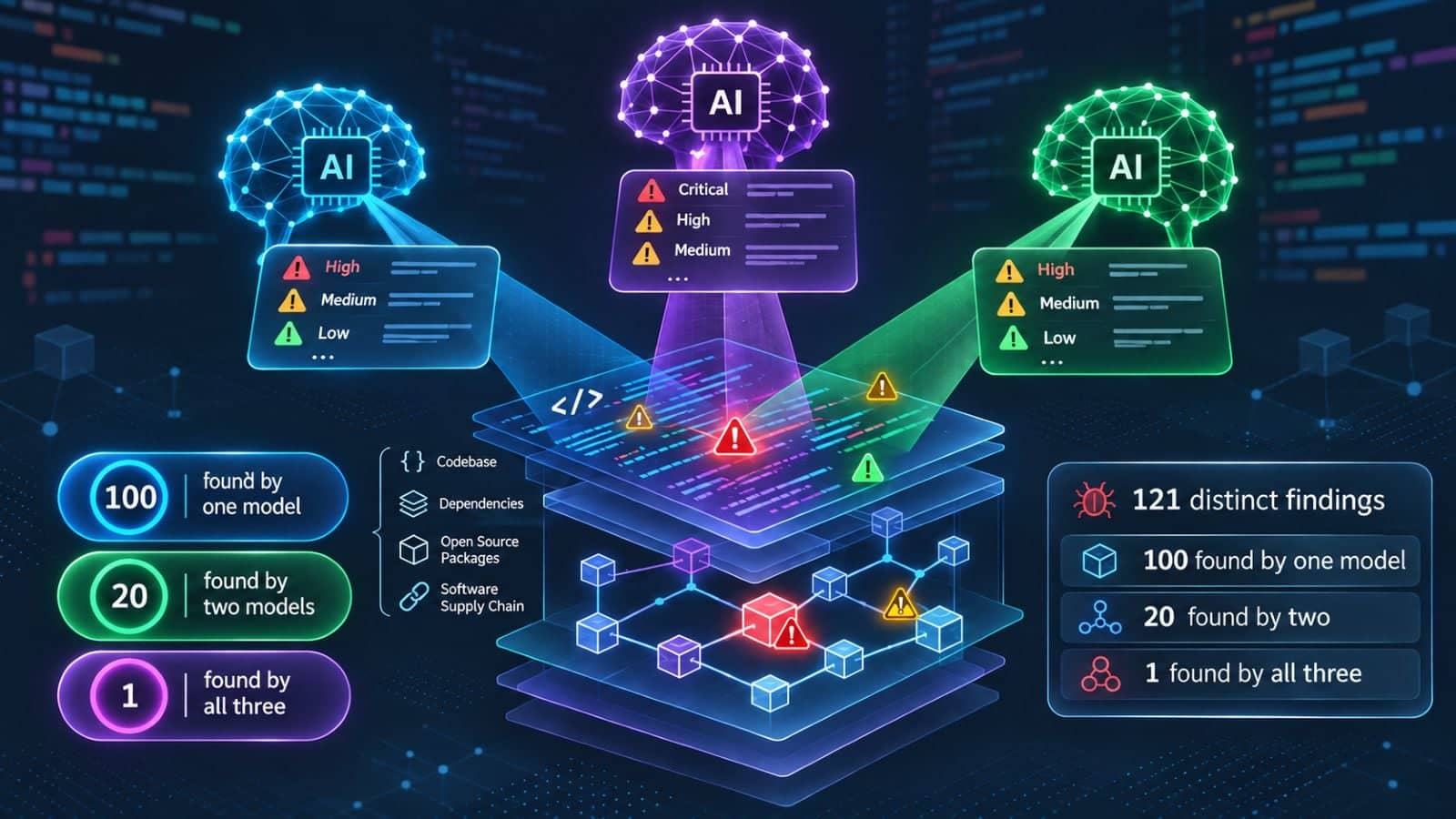
An analysis published this week of vulnerabilities discovered in open-source code using three different artificial intelligence (AI) models found that all three identified the same issue in only one instance out of 121 distinct findings. Conducted by Echo, a provider of hardened software artifacts and an AI service for discovering vulnerabilities, the report compares the […]
groundcover Adds Observability Workspace to Foster Collaboration With AI Agents
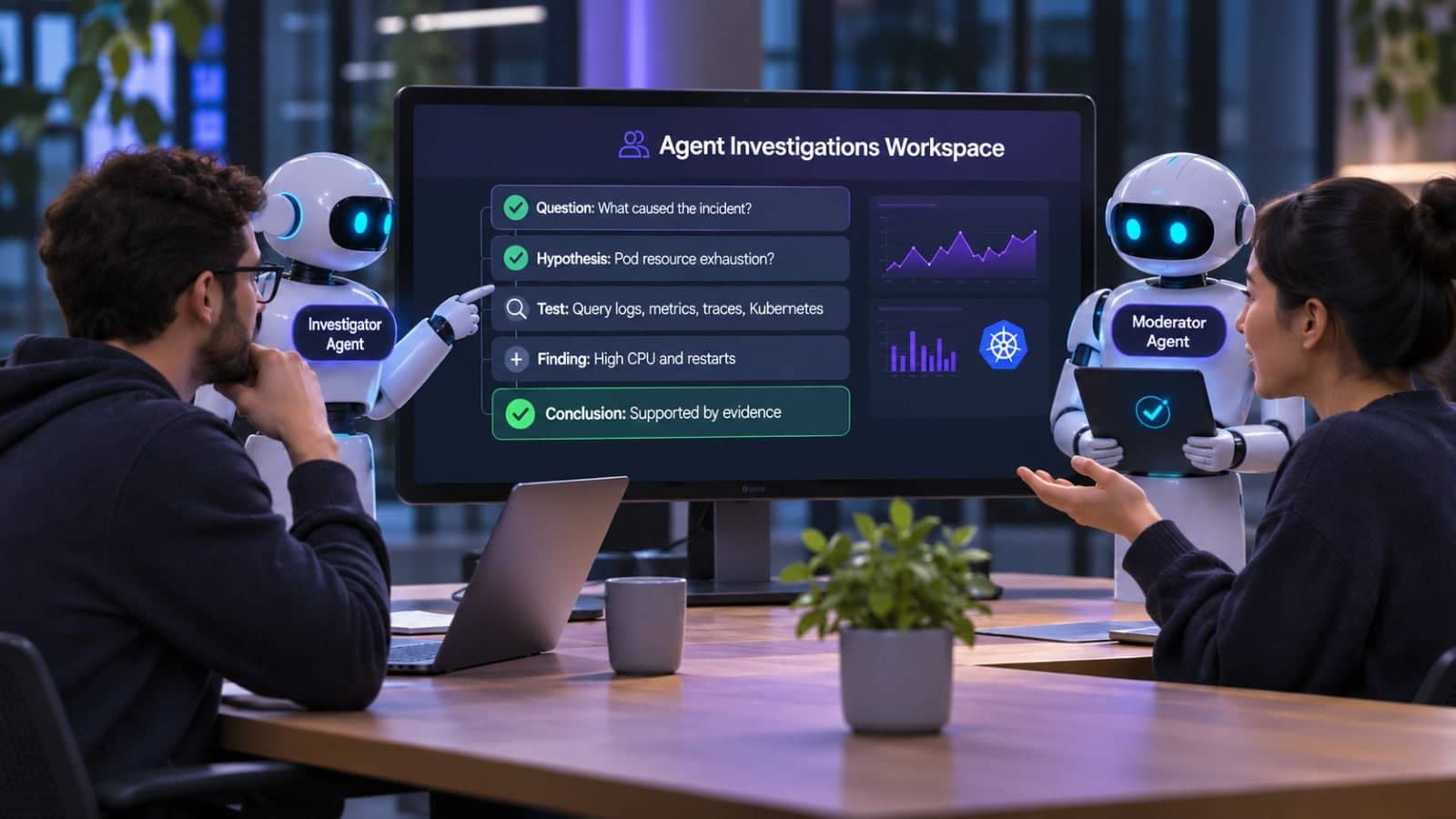
groundcover has expanded its observability platform with Agent Investigations, a collaborative workspace where AI agents and DevOps engineers can investigate incidents together. By combining hypothesis testing, production telemetry and evidence-backed conclusions, the platform aims to eliminate fragmented investigations and accelerate root cause analysis while keeping engineers involved in critical decisions.

GenAI in Software Development: Does It Really Cut Costs?
Generative AI can accelerate coding, testing and documentation, but faster development doesn’t necessarily translate into lower costs. Licensing fees, security reviews, rework and governance can quickly erode productivity gains. For enterprise engineering leaders, the real test is whether AI delivers reliable software at a lower total cost, rather than simply generating more code.

Beyond Green Pipelines: Designing Stateful Governance for CI/CD
As AI agents accelerate software development, traditional CI/CD pipelines face mounting pressure to keep pace. But adding runners and speeding up tests won’t solve every problem. A governance-driven approach that retains validation results, reassesses them when conditions change and enforces release policies could help DevOps teams avoid unnecessary work without compromising software security or reliability.
At Ignite, Microsoft Makes the Case for “Good Enough” Coding Models
Microsoft is betting that DevOps teams need affordable, task-specific AI models more than frontier-level performance for every coding job. With MAI Code 2, intelligent model routing, agent sandboxes and centralized governance, its Ignite 2026 announcements signal a shift toward managing AI coding as enterprise infrastructure rather than simply another developer tool.
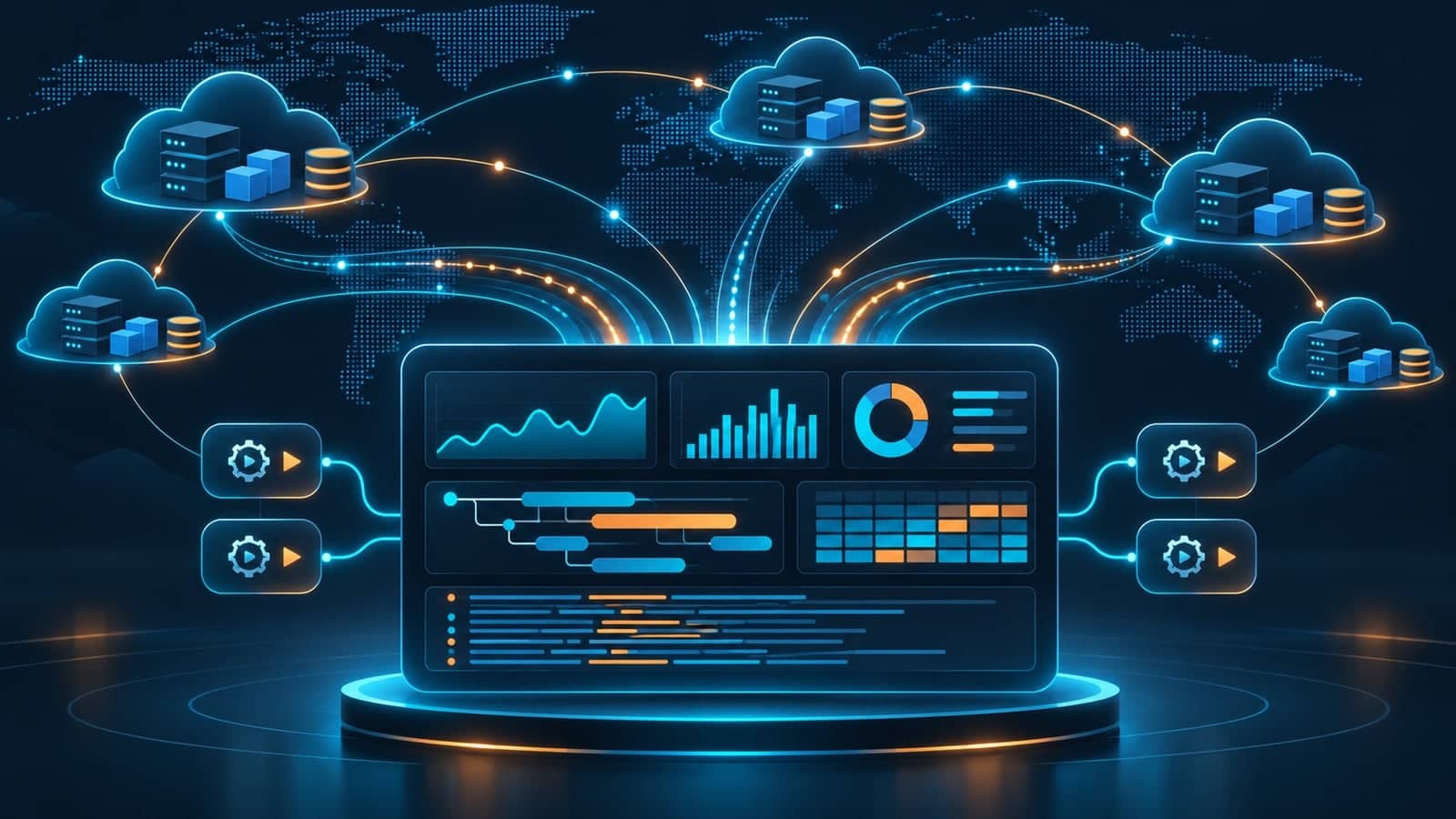
Sumo Logic Deepens Observability Ties with AWS
Sumo Logic today expanded its AWS Observability Solution for Amazon Web Services (AWS), adding a Quick Launch deployment option through AWS Marketplace and extending observability coverage that includes serverless workloads. Additionally, Sumo Logic has added support for AWS regions in Zurich, Melbourne and New Zealand, bringing the total number of supported regions to 20. DevOps […]
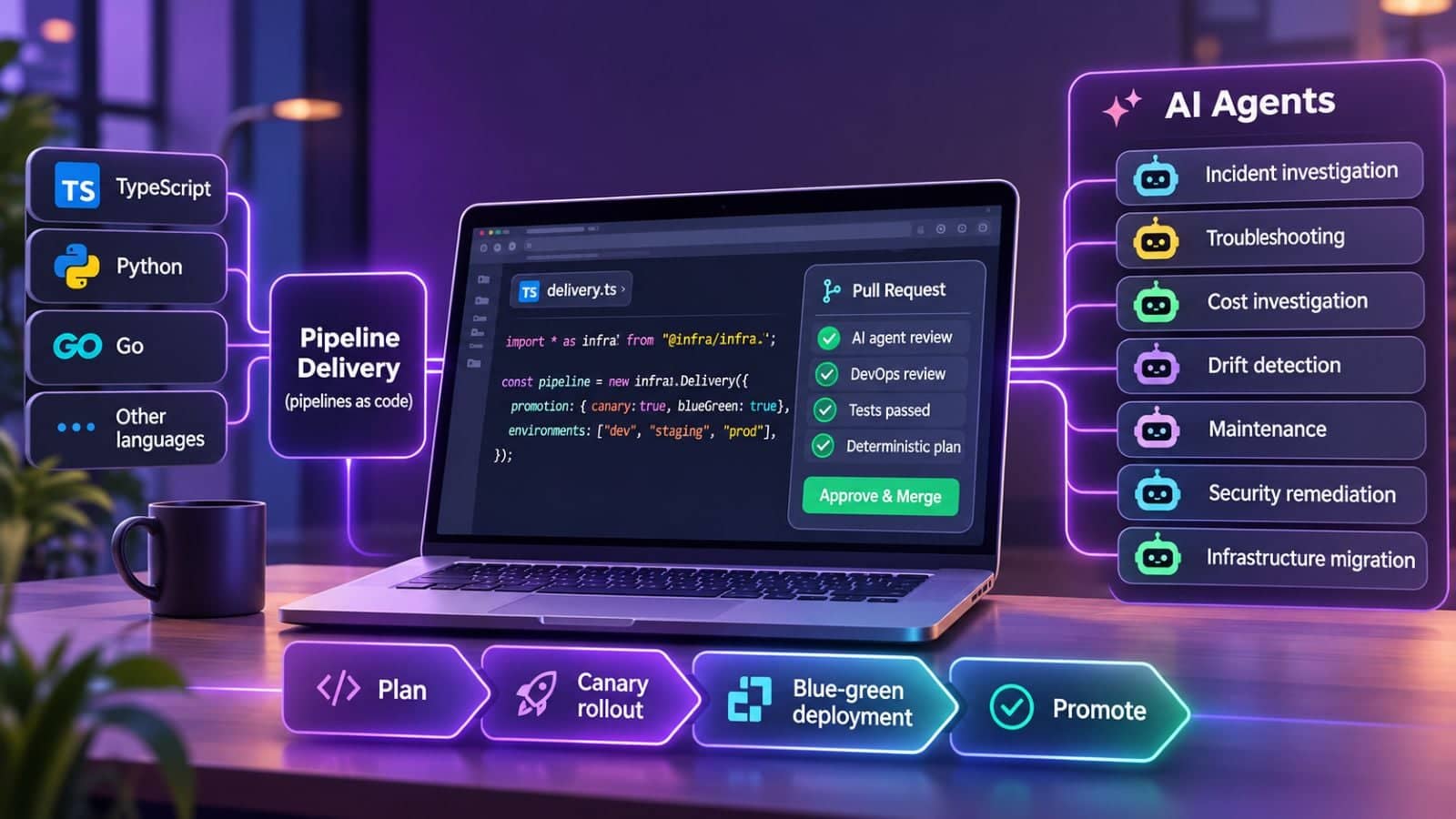
Pulumi Previews DevOps Platform Extensions for the Agentic AI Era
Pulumi today made available in public preview both an ability to enable DevOps teams to define delivery pipelines in code and a series of artificial intelligence (AI) agents that have been trained to perform specific tasks. A Pulumi Delivery capability makes it possible to use TypeScript, Python, Go, and other languages to create pipelines for […]

Java4Shell Vulnerability Threatens Enterprise Java Applications
The security firm behind last month’s high-profile PHP2Shell discovery has used AI to uncover another serious vulnerability, this time in Java. Calif says its researchers have demonstrated remote code execution in widely used Java applications, including Jenkins and JFrog Artifactory. The vulnerability, called Java4Shell and tracked as CVE-2026-114938, involves an out-of-bounds memory write in OpenJDK’s […]
Chainguard Introduces Free Starter and $500 Team Plans
Chainguard has long been a leading software supply chain security company, and now it’s making it easier and cheaper to access its secure open-source software offerings. Back in 2022, Chainguard co-founder Kim Lewandowski said, “Chainguard’s mission is to make the software supply chain secure by default, because we think the only way you can get […]

NTT Develops SDK for Optical Quantum Machine Learning Applications
With the responsibility to tool up core software application development practices for the agentic AI revolution, a similarly significant gravitational force may soon be felt as a result of quantum computing more broadly. Within the arena of quantum, photonic (optical) quantum computers in particular are an emergent branch of the field that encodes quantum information […]

Rocket Software Converts COBOL Code into Portable Microservice
Rocket Software today added a platform that makes it simpler to move COBOL code from a mainframe to a cloud service or other type of distributed computing environment in a way that preserves existing business logic. Phil Buckellew, president of the Infrastructure Modernization Business Unit at Rocket Software, said the Rocket Transaction Platform converts monolithic […]

Earthly Makes Platform for Centrally Applying DevOps Governance Policies Available
Earthly today made a platform that makes it possible to centrally manage and apply governance policies across multiple DevOps platforms and code repositories generally available. Fresh off raising an additional $5.7 million in funding, the company has developed an Earthly Lunar platform that comes with more than 300 prebuilt guardrails. Additionally, DevOps teams can add […]
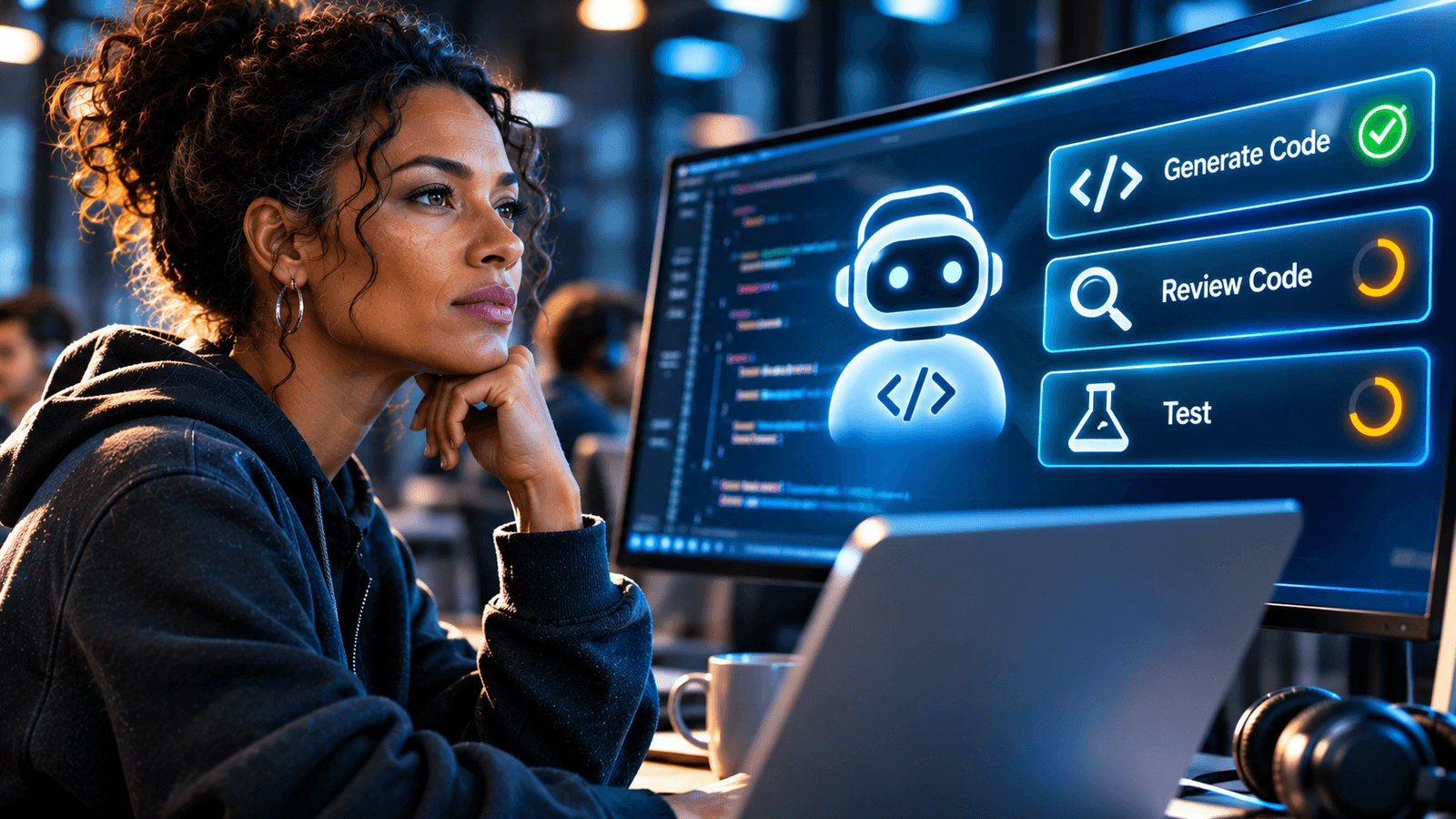
Survey: Code Now Generated Faster Than Reviews and Tests Can Keep Pace
AI coding tools are becoming nearly universal among Java developers, but code reviews, testing and debugging practices are struggling to keep pace. A BellSoft survey of 360 developers finds that 98% use AI to write code, while only 54% use it for reviewing and testing. The widening gap raises concerns about software quality, security and the ability of existing DevOps workflows to handle an accelerating volume of AI-generated code.

Linux Foundation: AI Coding Tools Are Outpacing Cybersecurity Defenses
A new Linux Foundation report finds that 58% of software development teams are releasing code faster than their security staff can review it, raising major concerns about vulnerabilities introduced by AI coding tools. The report, State of AI Impact on Software Security and Cybersecurity 2026, surveyed 308 cybersecurity practitioners working in businesses and open source […]

Ten Great DevOps Job Opportunities
DevOps.com is now providing a weekly DevOps jobs report through which opportunities for DevOps professionals will be highlighted as part of an effort to better serve our audience. Our goal in these challenging economic times is to make it just that much easier for DevOps professionals to advance their careers. Of course, the pool of […]
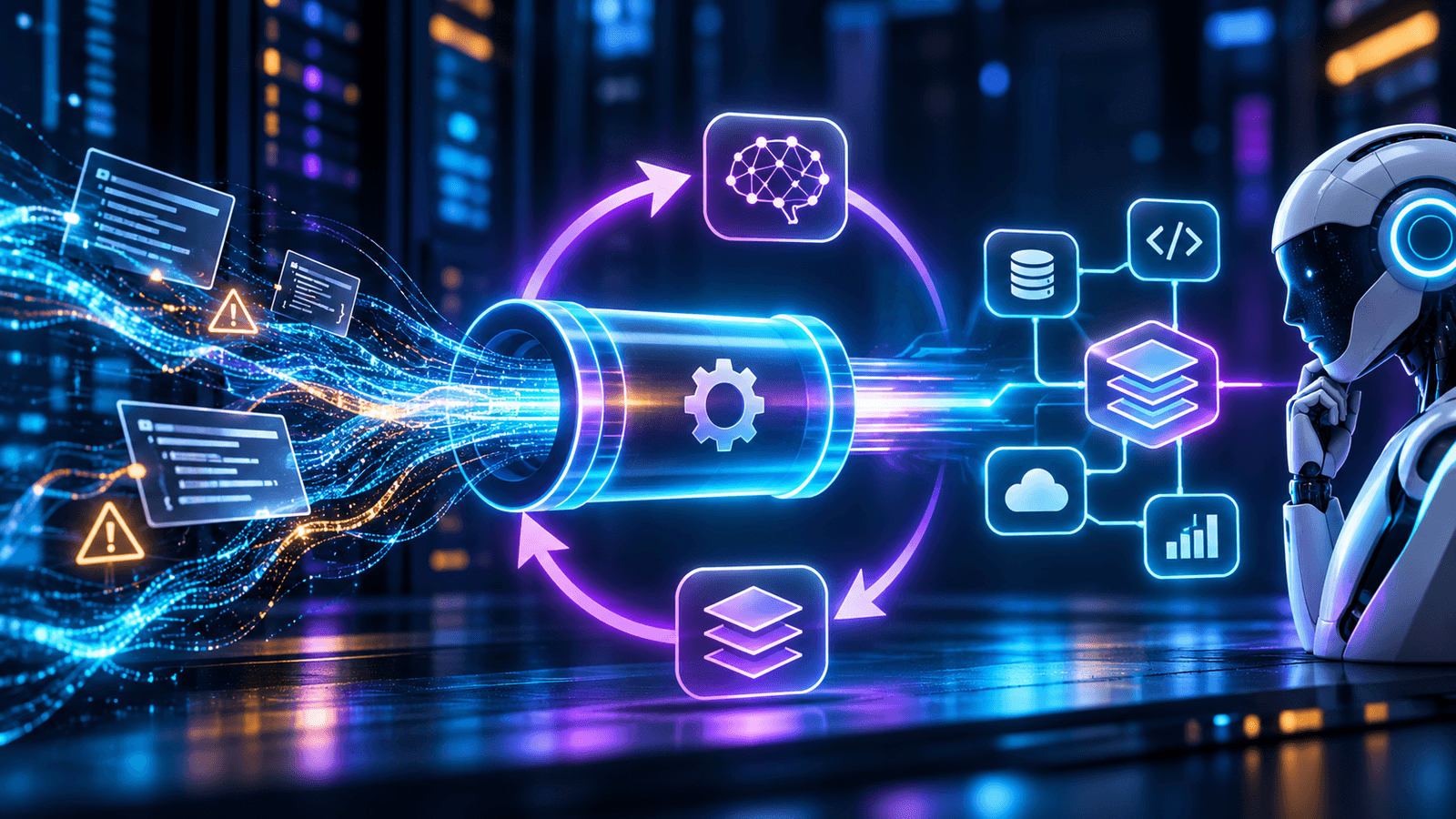
Agents Inherit Your Mess
AI agents need more than raw logs. Discover how stateless ingestion, asynchronous enrichment and semantic context improve observability, reliability and cost.