

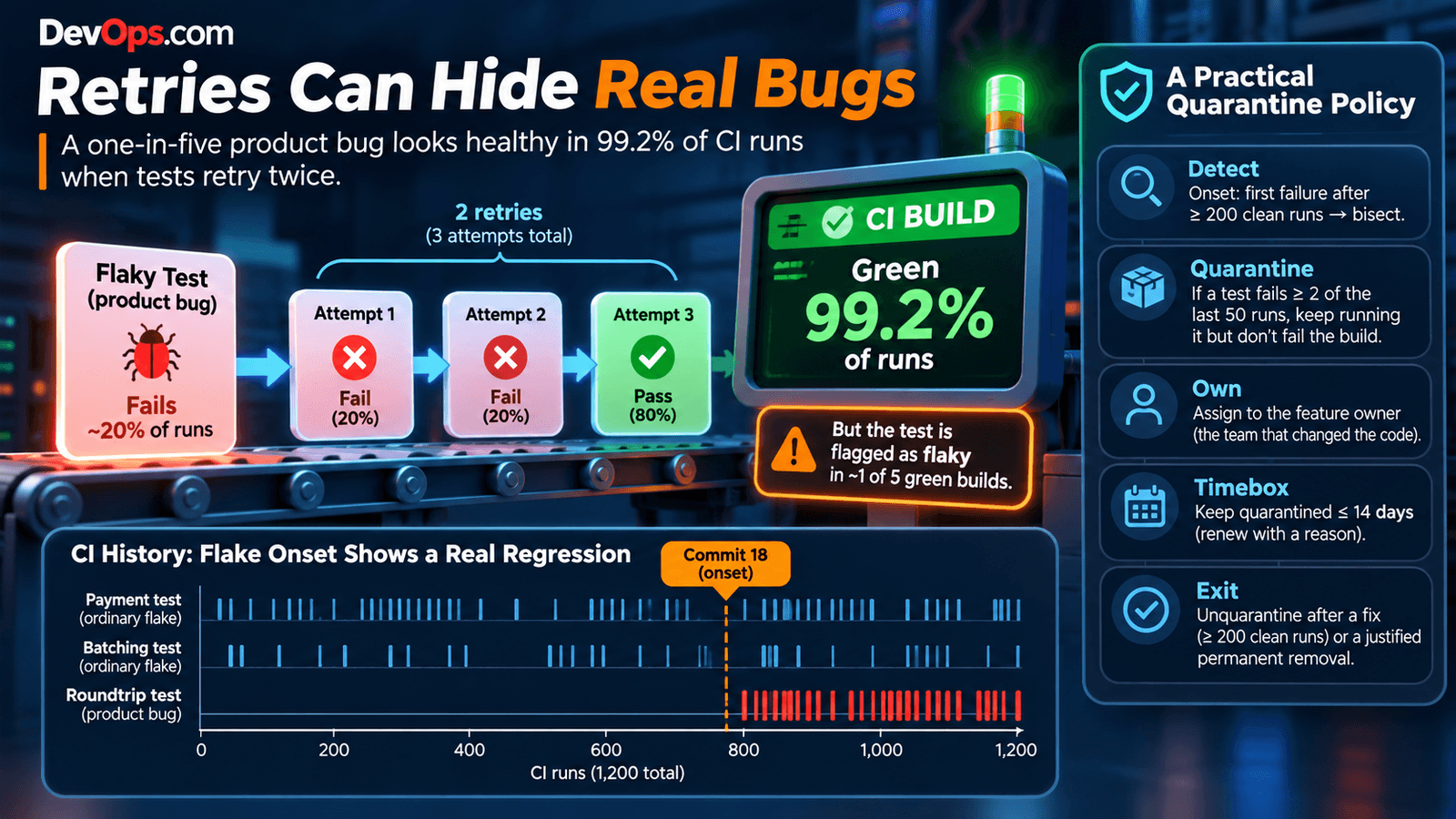

Your Coding Agent Needs Production Discipline
I see engineers handing work to coding agents every day. Consider a straightforward assignment: Add an endpoint to an internal service, run the tests, and open a pull request. The agent may work for an hour before the engineer looks at it again, freeing that engineer to focus on another problem. Let’s follow that assignment […]
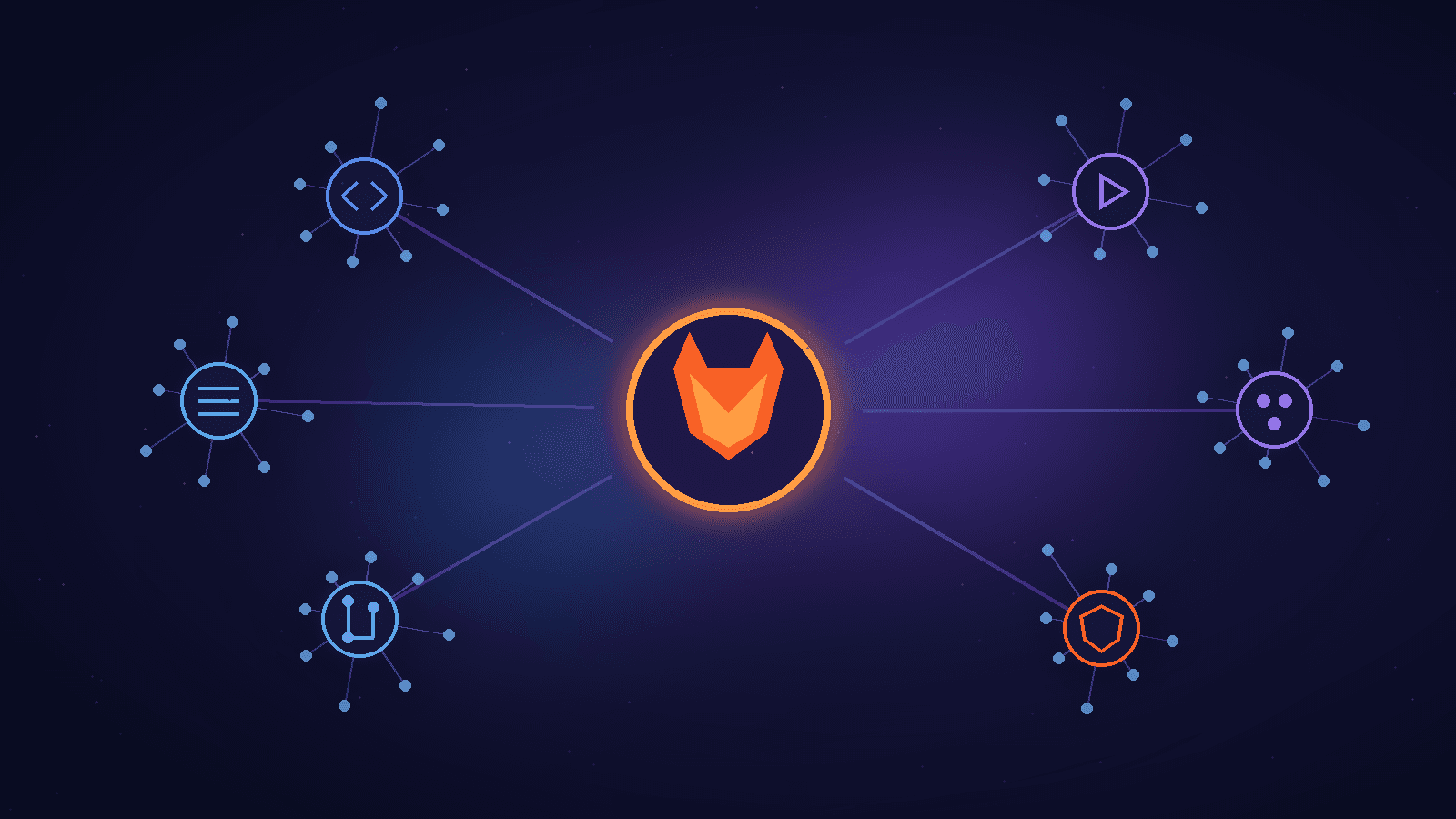
GitLab Bets Context, Not Bigger Models, Will Fix AI Agent Costs
GitLab has launched Orbit, a context graph designed to give AI coding agents a more complete view of the software development lifecycle. With claims of up to 45x fewer hallucinations and 4.5x fewer tokens, GitLab is betting that better context, rather than bigger models, is the key to more reliable agentic development.

AI Coding Assistants’ Built-In Browsers Open a Path to Developer Secrets
Security researchers uncovered a class of embedded-browser vulnerabilities affecting five popular AI coding tools, including Cursor, Copilot, Codex, VS Code and Claude Desktop. The findings reveal how malicious pages can exploit trusted AI workflows to steal credentials, access local files and even persuade agents to disable their own safeguards.
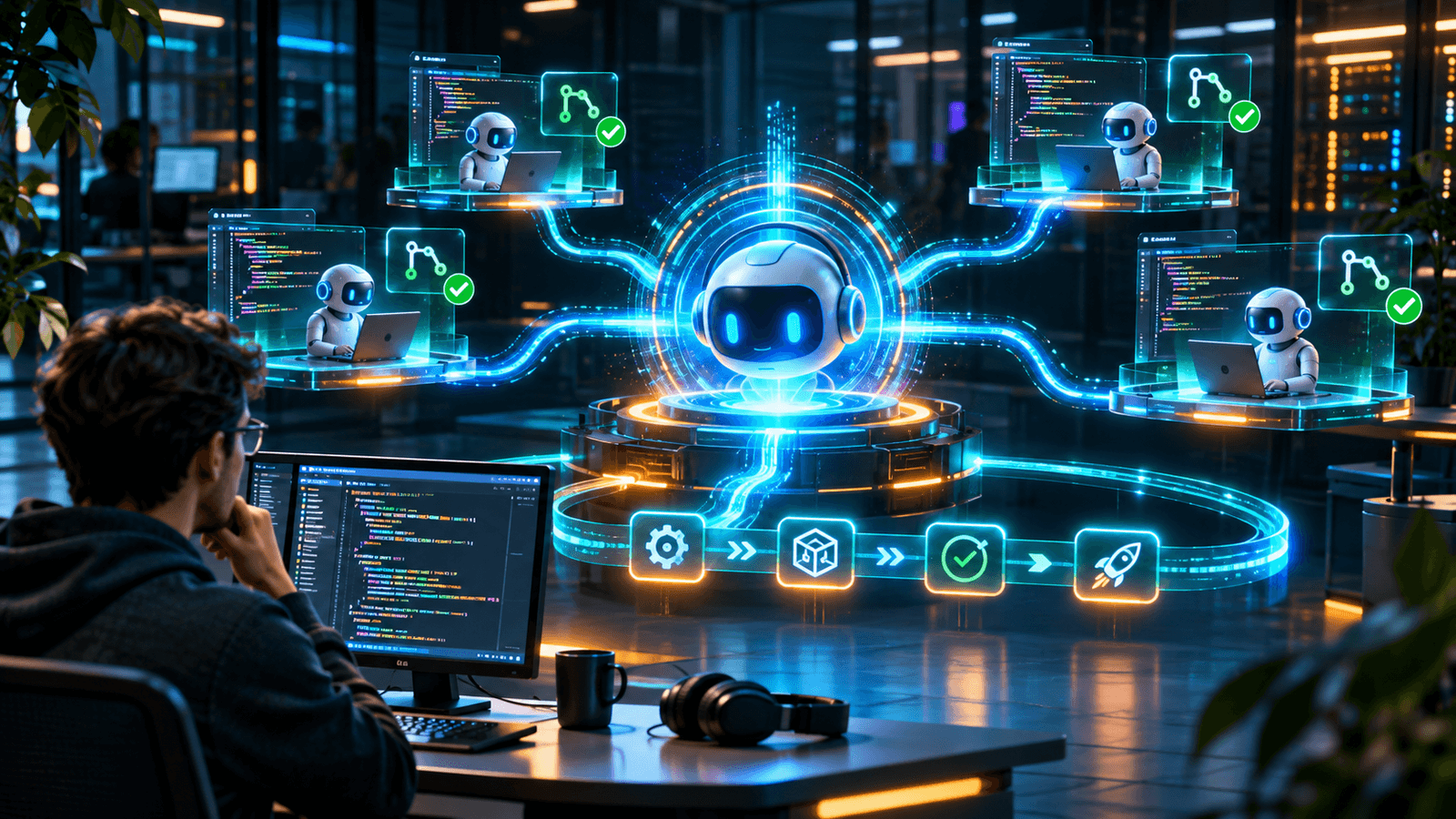
DeepSeek Wants Coding Agents to Stop Waiting for Instructions
DeepSeek’s open-source Super-Agent prototype replaces isolated coding sessions with an always-on system that coordinates multiple AI workers, responds to development events and can initiate bug fixes without direct prompting. For DevOps teams, the promise of autonomous development brings new challenges around permissions, pipeline security, observability and code verification.

IBM Extends Scope and Reach of DevSecOps Workflows in the AI Era
IBM is expanding its Terraform infrastructure-as-code platform and Bob AI coding assistant with new policy-as-code capabilities, automated vulnerability remediation and AI governance integrations. Announced at IBM TechXchange 2026, the updates aim to help DevSecOps teams securely manage infrastructure and accelerate software delivery as AI agents become more deeply embedded in development workflows.
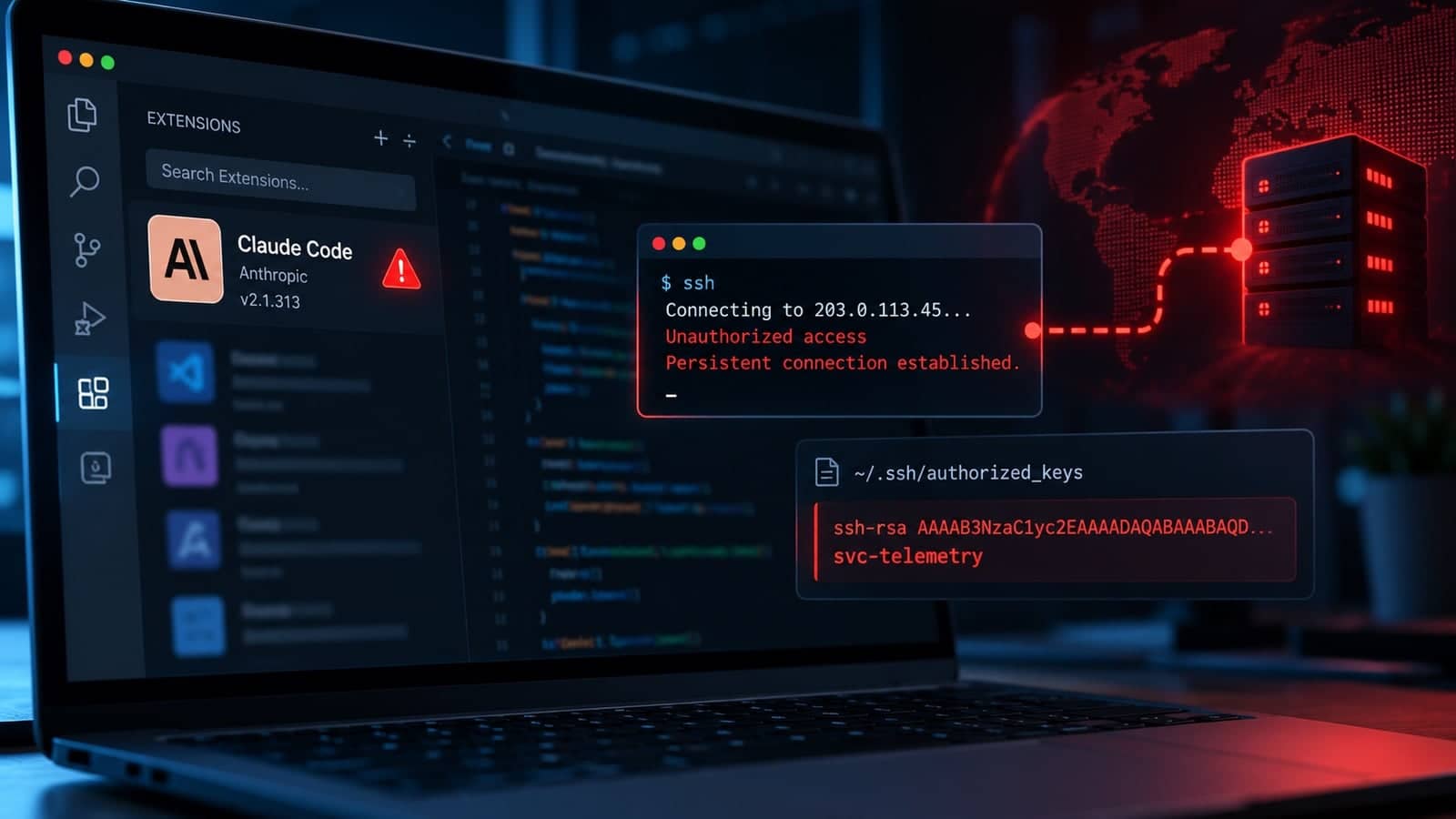
Malicious Claude Code Extension Affects Up to 5,000 Cursor Users
Cursor has disclosed a security incident involving malicious versions of Anthropic’s Claude Code extension that attempted to install a persistent backdoor on developers’ computers. The company initially estimated that up to 5,000 users could have been affected, highlighting the security risks associated with compromised software development tools. The compromised extension packages, identified as Anthropic.claude-code versions […]
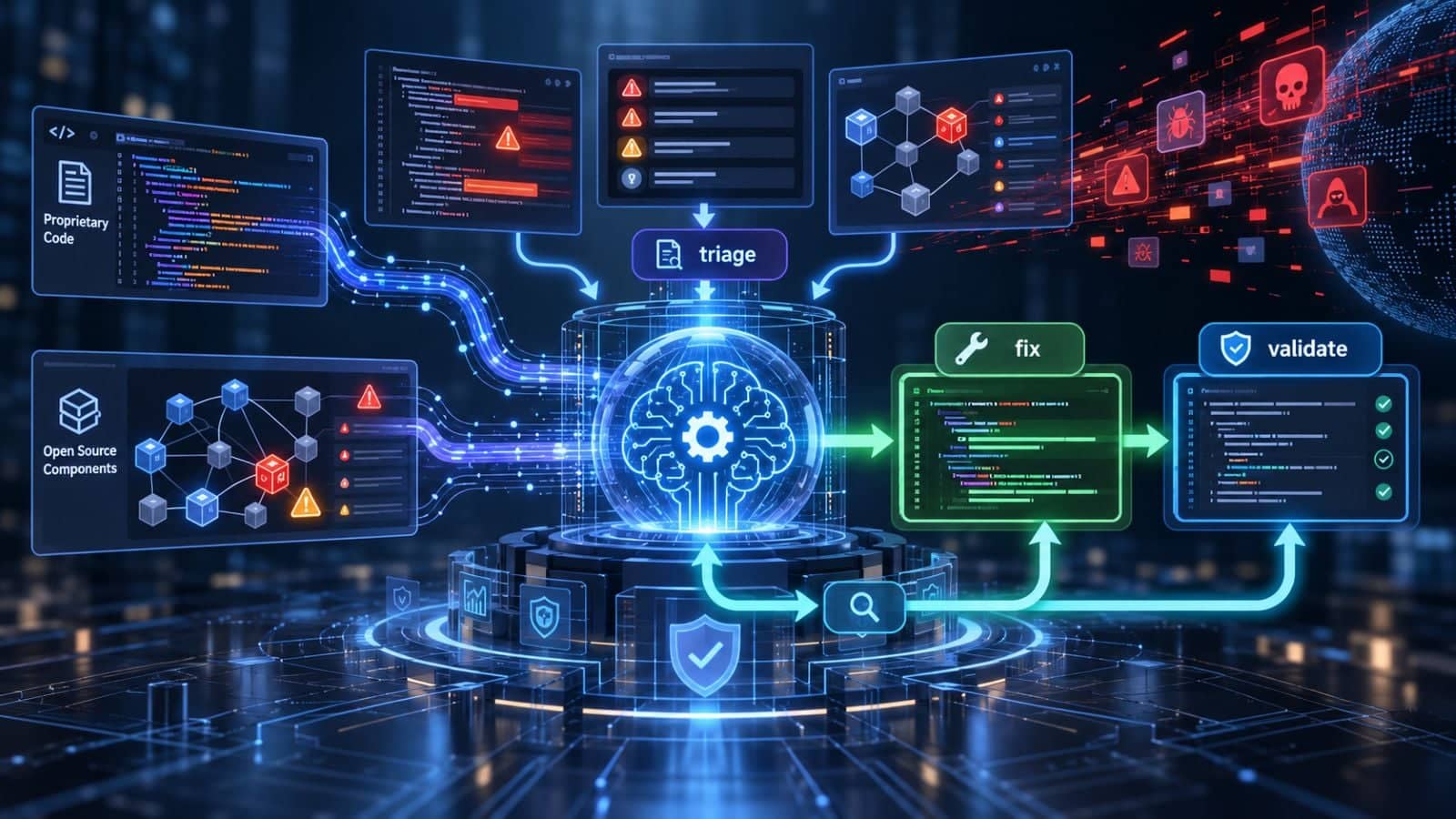
Black Duck Adds AI Agent to Triage and Fix Vulnerabilities
Black Duck this week added an artificial intelligence (AI) agent to its portfolio that triages vulnerabilities and then generates and validates fixes for DevSecOps teams to review before applying them. Patrick Carey, vice president of product marketing for Black Duck, said the Signal Agentic Fix agent leverages the company’s static application security testing (SAST) and […]
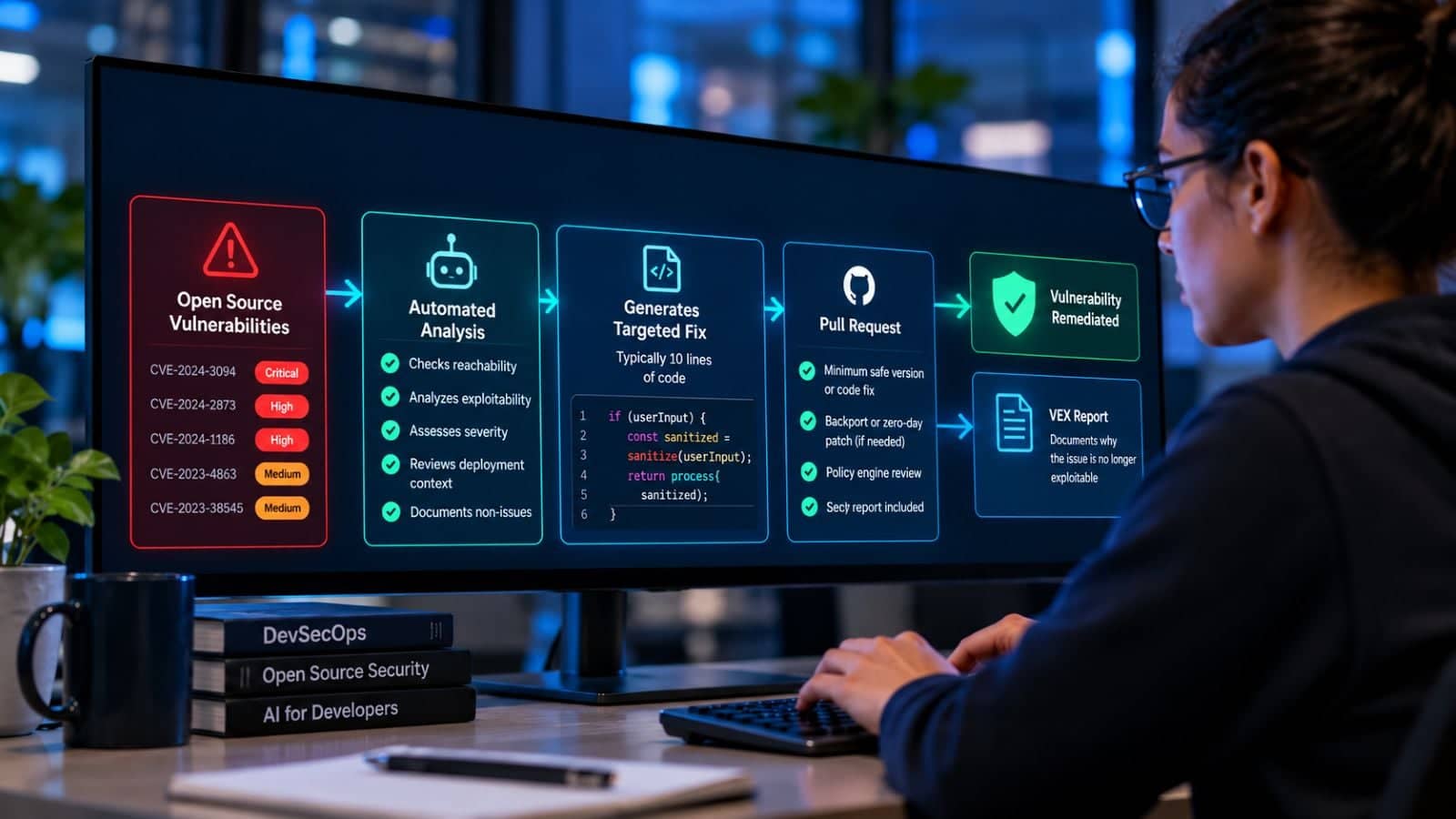
Endor Labs Adds AI Tool to Generate Fixes for Open Source Vulnerabilities
Endor Labs this week added an artificial intelligence (AI) tool to its portfolio that evaluates every reachable open source vulnerability against a code context graph to generate fixes that typically require only 10 lines of code to be generated and applied. Joe Harrington, a principal product manager for Endor Labs, said AURI Fix for Open […]
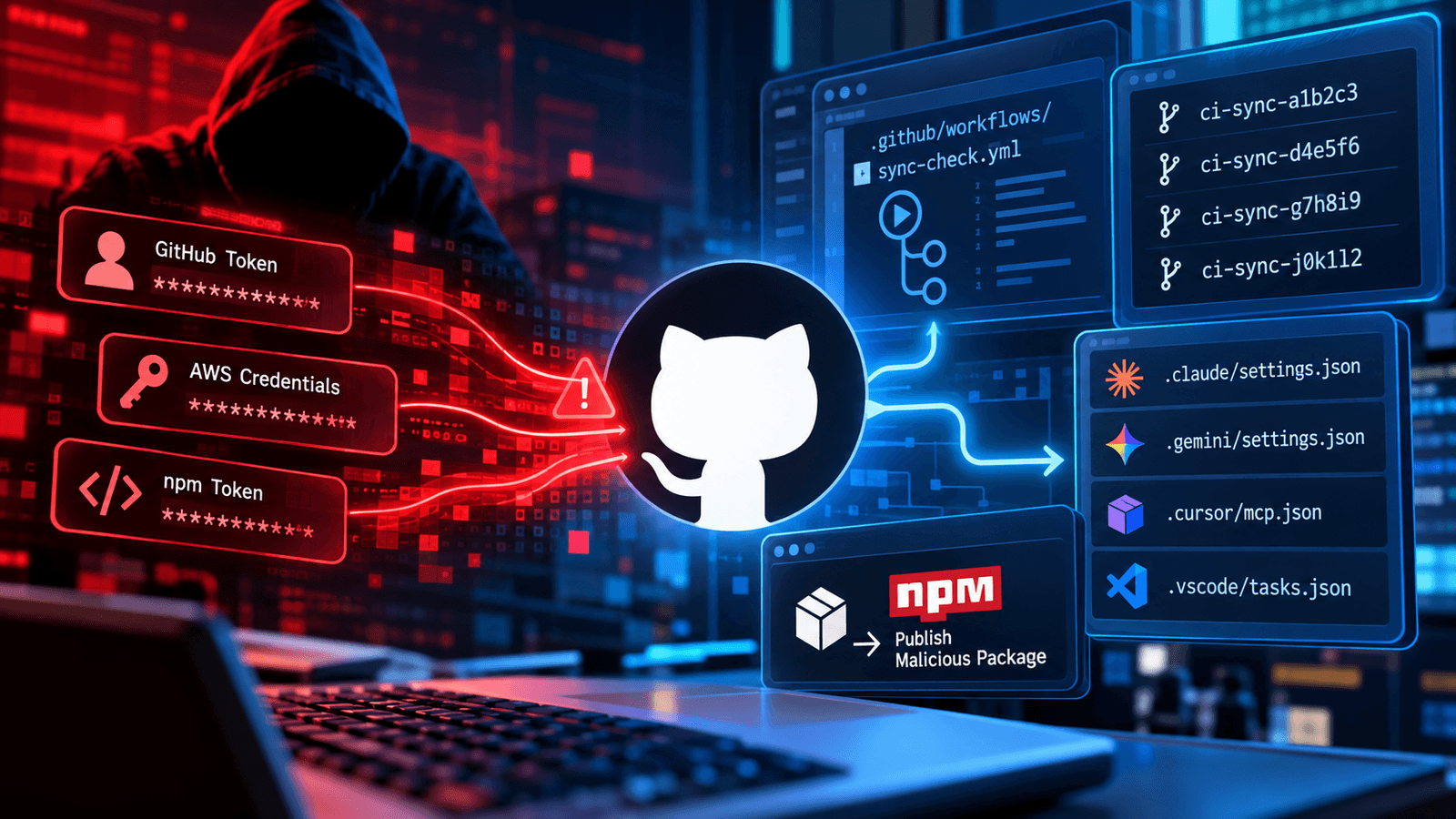
Two GitHub Campaigns, One Weak Point: Stolen Developer Credentials
Two separate GitHub attack campaigns, Gheist and Testmetest, exploited stolen developer credentials to steal secrets, compromise workflows and target software supply chains. The attacks reveal dangerous blind spots in GitHub Actions security, repository scanning and AI coding assistant configurations.

Amazon Warns Engineers Against Tokenmaxxing as AI Costs Mount
Amazon has issued new guidelines for its software engineers that discourage excessive use of AI tools simply to boost productivity metrics, signaling a shift in how the company evaluates AI’s contribution to software development. The guidelines address tokenmaxxing, a practice in which employees use huge volumes of AI tokens to demonstrate their use of the […]

Mistral Lays Claim to AI Coding Crown
Mistral has released the weights for its 1-trillion-parameter Mistral Large 4 model, delivering significant improvements in agentic coding and vulnerability discovery. With competitive benchmark results, lower token consumption and flexible deployment options, the French AI developer is making a stronger case for open-weight models as DevOps teams confront rising AI development costs.

The Return of a Bad Engineering Metric: When AI Token Usage Becomes Performance Theater
Measuring developer productivity by AI token consumption risks higher costs, bloated code and misleading performance metrics.

Why More AI-Generated Tests Don’t Mean Better Testing
Every demo from an AI testing tool vendor ends with a promise to cut test design effort from hours to minutes. Surprisingly, one important question is missing from these conversations: How many of those test cases can QA teams truly trust when testing a business-critical workflow such as payments? The AI Testing Efficiency Trap Many […]
From Reactive to Predictive: How AI and Automation Are Advancing Real-Time DevOps Decision-Making
AIOps helps DevOps teams cut alert fatigue, predict failures and improve incident response through AI-powered insights and smarter automation.

Design and Specifications Are Not What Is in Your Infrastructure
Cyber Asset Intelligence helps CTOs uncover hidden dependencies, reduce technical debt and make smarter architecture decisions with runtime visibility.
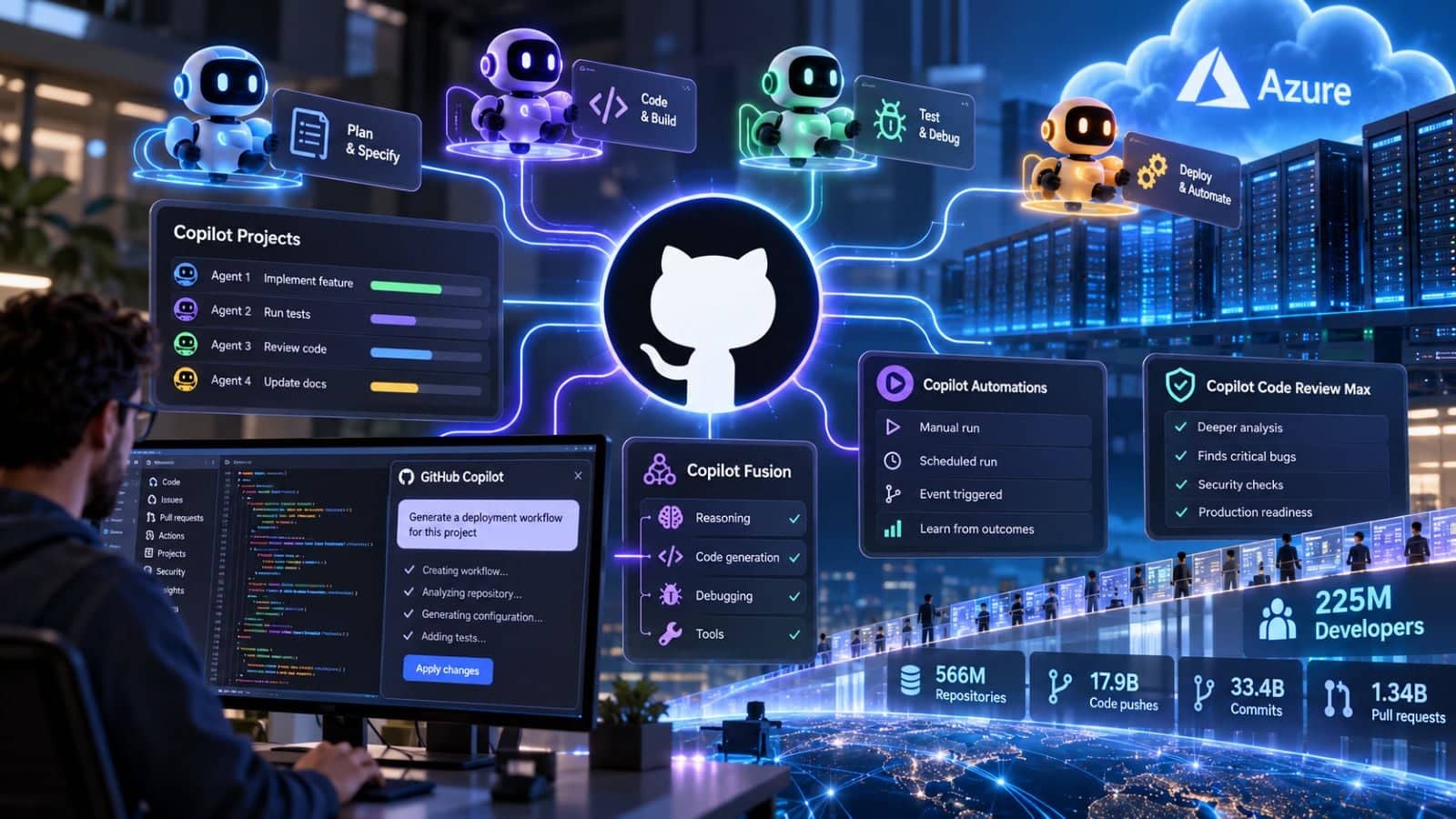
GitHub Adds Tools to Manage AI Coding Agents Running in Parallel at Scale
GitHub today made a bevy of updates that collectively promise to make it simpler for DevOps teams to build and maintain workflows using artificial intelligence (AI) agents. Announced at the GitHub Universe conference, Jay Parikh, executive vice president for CoreAI at Microsoft, also provided additional insights into the investments that Microsoft is making to ensure […]

Rethinking Application Updates: Solutions for Faster, More Efficient CVE Patching
Slow CVE patching leaves applications exposed. Discover how buildpacks, shared components and AI agents can accelerate vulnerability remediation.

CI/CD Cache Poisoning Is No Longer a Theoretical Attack
CI/CD cache poisoning can turn untrusted code into compromised releases. Learn how to secure caches, isolate workflows and protect software supply chains.
The Rise of Playwright: Why Browser Automation Had to Change
Playwright is transforming browser automation for modern CI/CD, but AI-generated tests raise new questions about reliability and trust.

I Spent 5 Years Preparing for UPSC. Then I Became a DevOps Engineer
After five years preparing for UPSC exams, a career switch to DevOps led from ₹13,000 a month to 16 LPA — and inspired a creation.

AWS Delivers AI Service to Discover Vulnerabilities and Generate Patches
Amazon Web Services (AWS) has made generally available a service through which it finds and validates code vulnerabilities and provides a patch that DevSecOps teams can then automatically apply or set up a pull request to implement. Dr. Neha Rungta, director of applied science at AWS, said the AWS Continuum service for code vulnerabilities is […]

Why Continuous Vulnerability Management Belongs in Every DevSecOps Strategy
DevSecOps is part of the larger shift-left IT paradigm, which aims to identify and address vulnerabilities before they lead to security incidents. NIST’s guidance on secure software development emphasizes integrating security throughout the development lifecycle, rather than treating it as a separate concern addressed late in development or after deployment. By prioritizing a proactive approach […]

Report: Claude Code Exceeds GitHub Copilot for Merging Pull Requests
An analysis of pull requests published today by Jellyfish, a provider of an engineering intelligence platform, finds that Claude Code is the artificial intelligence (AI) coding tool used most often to merge pull requests (31%), followed by GitHub Copilot at 23%. Based on analysis of 100 million pull requests made in September by 276,000 developers […]